What Does Code P0469 Mean?
The diagnostic trouble code P0469 signifies an intermittent fault within the Purge Flow Sensor Circuit. This code specifically points to the Evaporative Emission (EVAP) system, which is designed to capture and store fuel vapors from the fuel tank and then periodically introduce them into the engine’s intake manifold for combustion. The Purge Flow Sensor, often integrated into the purge solenoid or located in the purge line, is a critical component that monitors the actual flow rate or pressure differential of fuel vapors being drawn from the EVAP canister into the engine’s intake during the purge cycle.
The Engine Control Module (ECM), also known as the Powertrain Control Module (PCM), continuously monitors the electrical signal generated by the purge flow sensor. During commanded purge events, the ECM expects to see a consistent, plausible signal that correlates with the activation of the EVAP purge solenoid and the engine’s vacuum. P0469 is set when the ECM detects that the signal from this sensor is erratic, inconsistent, or intermittently outside its programmed operational parameters, yet not a complete open or short circuit (which would typically trigger a different code). This intermittency can manifest as fluctuating voltage, an unstable frequency signal (if it’s a frequency-based sensor), or temporary signal loss, which the ECM cannot attribute to normal system operation or a continuous fault.
Common Symptoms
- Check Engine Light (CEL) Illumination: This is almost always the primary indicator.
- Difficulty Passing Emissions Tests: An intermittently faulty EVAP system can lead to elevated hydrocarbon emissions.
- Slight Decrease in Fuel Economy: If the EVAP system is not operating optimally due to erratic purge flow monitoring, the engine may not efficiently utilize captured fuel vapors.
- No Discernible Driveability Concerns: Due to the intermittent nature and the EVAP system’s non-critical role in immediate engine operation, noticeable performance issues are often absent, making diagnosis challenging.
What Causes the Code P0469?
- Intermittent Electrical Connection at the Purge Flow Sensor Connector: Corrosion on terminals, loose pins, or a partially dislodged connector can cause temporary signal disruptions.
- Damaged Wiring within the Purge Flow Sensor Circuit Harness: Chafed insulation leading to intermittent shorts to ground or power, internal wire breakage exacerbated by vibration, or stretched/stressed wiring.
- Internal Failure of the Purge Flow Sensor Itself: Over time, the sensor can become contaminated, mechanically fatigued, or suffer from electronic component degradation, leading to erratic or inconsistent signal generation.
- Intermittently Faulty EVAP Purge Solenoid/Valve: If the purge solenoid itself is sticking, slow to respond, or its internal components are failing intermittently, it can cause erratic vapor flow. The purge flow sensor would accurately report these erratic conditions, but the ECM might interpret the inconsistent readings as a circuit fault rather than a valve malfunction, especially if the sensor’s own integrity is marginal.
- Vacuum Leaks in the EVAP Purge Line (less common for “circuit” code): While less direct for a “circuit intermittent” code, a very subtle, intermittent vacuum leak in the line between the canister, purge valve, and intake manifold could potentially cause inconsistent flow readings that the sensor reports, confusing the ECM. However, dedicated leak codes usually precede this.
How to Diagnose and Troubleshoot
Diagnosing an intermittent fault like P0469 requires meticulous attention and patience, often involving active testing while monitoring live data.
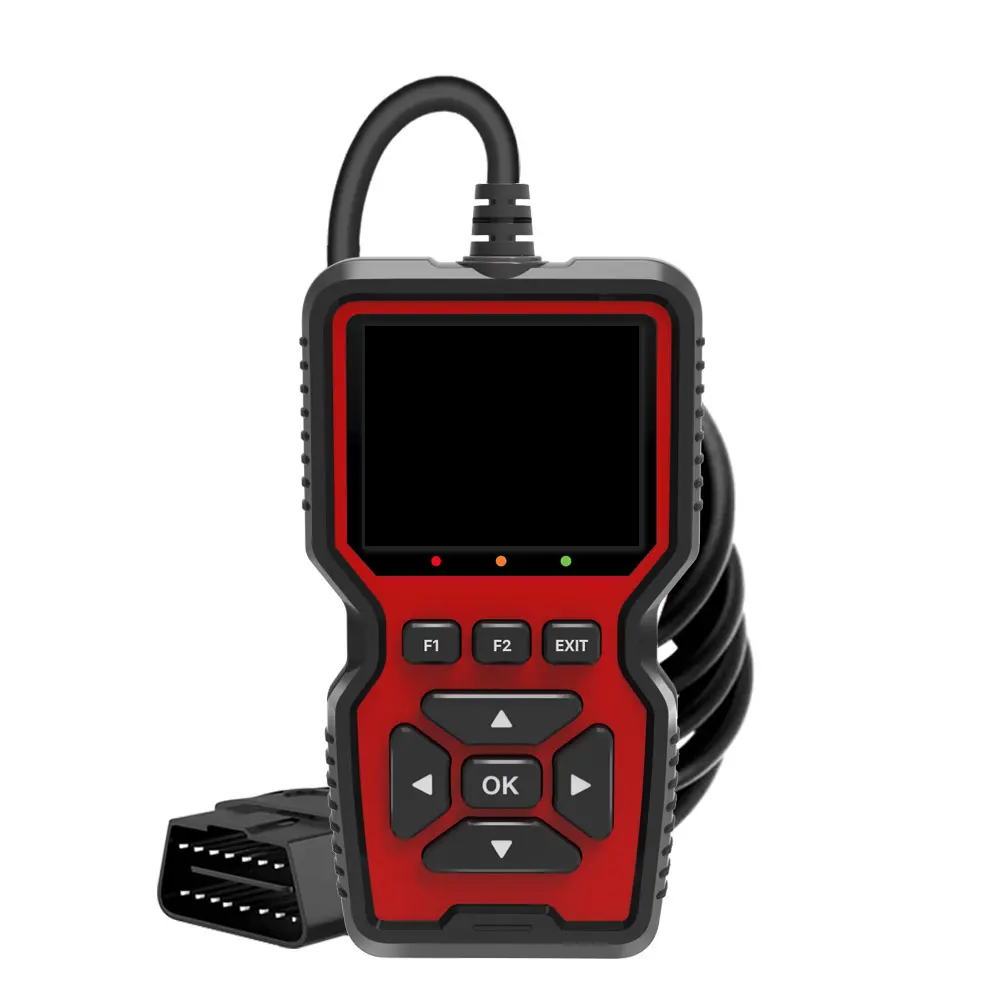
- Retrieve & Analyze Freeze Frame Data: Connect an OBD-II scan tool and retrieve the P0469 code along with associated freeze frame data. Note engine RPM, load, coolant temperature, fuel trim values, and EVAP system status at the moment the fault occurred. This provides context for replication.
- Visual Inspection:
- Locate the EVAP purge flow sensor (often near or integrated into the purge solenoid on the intake manifold or in the purge line).
- Inspect the sensor’s electrical connector for signs of corrosion, bent pins, or loose terminals. Ensure it is fully seated.
- Trace the wiring harness leading from the sensor back to the ECM. Look for chafing, bare wires, signs of rodent damage, or areas where the harness could be pinched or rubbed against engine components or sharp edges. Pay close attention to any bends or stress points.
- Inspect the EVAP purge line (vacuum hoses) for cracks, kinks, or loose connections that might introduce intermittent vacuum issues.
- Wiggle Test and Live Data Monitoring:
- With the engine running and a scan tool connected to monitor the purge flow sensor’s live data (e.g., voltage, frequency, or calculated flow rate), carefully wiggle and flex the wiring harness and connectors associated with the purge flow sensor.
- Observe if the sensor’s signal on the scan tool becomes erratic, drops out, or shows sudden spikes during the wiggle test. This can pinpoint an intermittent wiring issue.
- Digital Multimeter (DMM) Testing (Key-On, Engine-Off (KOEO) and Engine-Running (KOER)):
- Power and Ground Circuit Check: Disconnect the sensor connector. With KOEO, verify stable 5V or 12V reference voltage (depending on sensor type) to the sensor and a strong ground signal using a DMM. Test for voltage drop on the power and ground circuits under load.
- Continuity and Resistance Test: With the battery disconnected, disconnect both the sensor and ECM connectors. Use a DMM to check for continuity and resistance in the signal, reference, and ground wires from the sensor connector to the ECM connector. Look for resistance exceeding manufacturer specifications, which could indicate partial breakage. While testing, gently flex the harness along its length to check for intermittent opens or shorts. Also, check for short circuits to ground or to other wires within the harness.
- Bidirectional Control Test (Purge Valve & Sensor Response):
- Using an advanced scan tool with bidirectional control, command the EVAP purge solenoid to cycle open and closed at varying percentages.
- Simultaneously monitor the purge flow sensor’s live data. The sensor’s readings should respond predictably and consistently to the commanded purge valve operation. An erratic or inconsistent response during this test, even when the wiring is confirmed good, points towards a faulty sensor or purge valve.
- Vacuum Gauge Test (if applicable): Connect a vacuum gauge to the purge line (after the purge valve, before the sensor if separate) and observe vacuum fluctuations during commanded purge events. This can help differentiate between a flow sensor fault and a physical purge issue.
Recommended Repairs and Solutions
The repair strategy for P0469 depends entirely on the root cause identified during diagnosis:
- Repair or Replace Damaged Wiring and Connectors: If the diagnosis points to a specific section of wiring or a faulty connector, repair it using proper automotive wiring techniques (e.g., heat-shrink solder connectors, appropriate gauge wire, and loom) or replace the connector assembly. Avoid makeshift repairs that may lead to future intermittent issues.
- Replace the EVAP Purge Flow Sensor: If all wiring and connection integrity are confirmed, and the purge valve operates correctly, the purge flow sensor itself is the most likely culprit for an intermittent signal. Replace it with an OEM or high-quality aftermarket equivalent.
- Replace the EVAP Purge Solenoid/Valve: If the bidirectional control test reveals erratic or inconsistent operation of the purge valve, leading to unstable flow readings from the sensor, replacing the purge solenoid is warranted. Often, the purge flow sensor is an integral part of the purge solenoid assembly, simplifying replacement.
- Clear DTCs and Perform a Drive Cycle: After any repair, clear the stored diagnostic trouble codes using a scan tool. Then, perform an extended drive cycle that includes various driving conditions (city, highway, idle) to allow the ECM to run its full array of self-tests and confirm the repair has resolved the intermittent issue. Monitor the EVAP system readiness monitors during this process.
Mechanic’s Tips:
- Patience is Key: Intermittent issues are notoriously difficult. Do not rush the diagnostic process.
- Focus on Vibration Points: Pay extra attention to wiring harnesses that pass over engine mounts, sharp edges, or areas subject to significant vibration, as these are common points for intermittent wire damage.
- Check for Technical Service Bulletins (TSBs): Always check for manufacturer-specific TSBs related to P0469 for the vehicle’s make, model, and year. There might be known issues or updated diagnostic procedures.
- Component Quality: When replacing sensors or solenoids, opt for Original Equipment Manufacturer (OEM) parts or reputable aftermarket brands to ensure optimal performance and longevity.