What Does Code P0485 Mean?
DTC P0485 signifies a detected malfunction within the primary electrical power or ground circuit for the engine cooling fan. The Powertrain Control Module (PCM), or Engine Control Module (ECM), continuously monitors the operational status and electrical characteristics of the cooling fan circuit. When the PCM/ECM commands the cooling fan to activate (based on parameters such as Engine Coolant Temperature (ECT) exceeding a specified threshold, A/C system high-side pressure, or vehicle speed), it expects to observe specific voltage and current parameters within the fan’s power and ground paths. If the PCM/ECM detects an open circuit, a short to voltage, a short to ground, or an excessively high resistance within the dedicated power supply or ground wire, it interprets this as an inability to effectively control the fan, subsequently storing P0485 and illuminating the Malfunction Indicator Lamp (MIL). This code specifically targets the integrity of the electrical circuit supplying power and ground to the fan, rather than the mechanical functionality of the fan motor itself, though a compromised motor can manifest as a circuit fault.
Common Symptoms
- Engine Overheating: The most critical symptom, as the cooling fan cannot operate to dissipate heat.
- Air Conditioning System Inefficiency: Reduced cooling performance or complete failure of the A/C system, as the condenser fan (often integrated with or sharing circuits with the main cooling fan) does not function.
- Illuminated Malfunction Indicator Lamp (MIL): The “Check Engine” light will be on.
- Cooling Fan Inoperative: The cooling fan will not activate when the engine reaches operating temperature or when the A/C is engaged.
- Repeated Blown Fuses: Indicating a direct short circuit within the fan’s power circuit.
What Causes the Code P0485?
- Damaged or Corroded Wiring: Open circuits, shorts to ground, or shorts to voltage within the cooling fan’s power or ground wiring harness, often due to chafing, rodent damage, or physical impact.
- Faulty Cooling Fan Relay: A defective relay with an open coil, seized contacts, or internal resistance preventing proper power delivery to the fan motor.
- Blown Cooling Fan Fuse: Typically indicative of an overcurrent condition, most commonly a direct short circuit within the fan motor or wiring.
- Loose or Corroded Electrical Connections: Poor contact at the cooling fan motor connector, relay socket, fuse box terminals, or main ground points.
- Defective Cooling Fan Control Module: If the vehicle is equipped with a dedicated fan control module, an internal fault can disrupt the power/ground circuit.
- Internal Cooling Fan Motor Failure: While P0485 focuses on the circuit, a seized fan motor can lead to an open circuit (due to thermal cutout) or an excessive current draw causing a fuse to blow, effectively presenting as a circuit malfunction.
- PCM/ECM Internal Fault: Less common, but a failure in the PCM’s internal fan driver circuit can trigger this code.
How to Diagnose and Troubleshoot
Diagnosis of P0485 requires a methodical approach, focusing on the electrical integrity of the cooling fan circuit. Always ensure the engine is cool before beginning work, and disconnect the battery if necessary for safety.
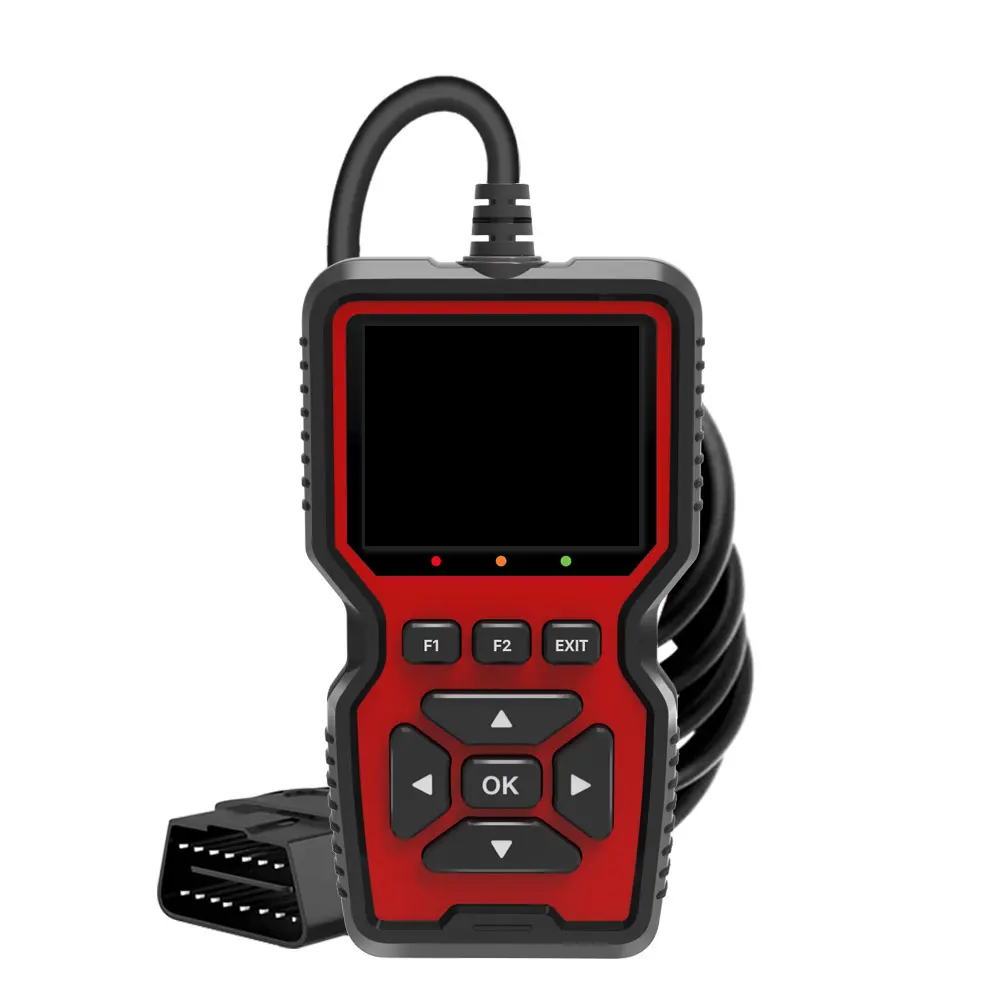
- Retrieve and Analyze DTCs: Use an OBD-II scanner to confirm P0485. Check for any accompanying or pending codes that might provide additional context. Access live data to monitor Engine Coolant Temperature (ECT), A/C pressure, and cooling fan status to understand the conditions under which the fan should activate. If available, use bidirectional control to command the fan ON/OFF.
- Visual Inspection:
- Inspect the cooling fan motor for any physical damage, obstructions (e.g., debris), or a visibly seized condition.
- Carefully examine the entire wiring harness leading to the cooling fan motor, its relay, and any fan control module. Look for signs of chafing against sharp edges, rodent damage, burn marks, cuts, or corrosion at connectors. Pay particular attention to areas where the harness passes near exhaust components or moving parts.
- Locate and visually inspect all fuses related to the cooling fan in both the underhood and interior fuse boxes. A blown fuse often indicates a short circuit.
- Fuse and Relay Verification:
- With the ignition OFF, use a Digital Multimeter (DMM) or a test light to check continuity across the terminals of all relevant fuses. A good fuse should show continuity (near 0 ohms resistance). Replace any blown fuses, but be aware that the underlying short must be addressed.
- Locate the cooling fan relay. Consult the vehicle’s wiring diagram for its exact location and pinout. Test the relay’s operation by applying 12V to the coil terminals (typically 85 and 86) and checking for continuity across the switch terminals (typically 30 and 87/87a). Alternatively, swap the relay with a known-good, identical relay from a non-critical circuit (e.g., horn relay).
- Power Circuit Testing (DMM):
- At the cooling fan motor connector, or at the relay output terminal (e.g., terminal 87), use a DMM to check for 12V with respect to a known good chassis ground when the fan is commanded ON (either by engine temperature, A/C, or scan tool).
- If no power is present, trace the power circuit backward towards the fuse box and relay, checking for continuity and voltage drops. An open circuit or excessive resistance in the power wire will prevent voltage from reaching the fan.
- Ground Circuit Testing (DMM):
- With the fan motor connector disconnected, use a DMM to measure resistance between the ground terminal of the fan connector and a known good chassis ground. Resistance should be very low (typically less than 0.5 ohms).
- If high resistance or an open circuit is detected, trace the ground wire back to its chassis connection point and inspect for corrosion, looseness, or damage.
- Cooling Fan Motor Testing:
- With the fan motor disconnected from the vehicle harness, measure the resistance across the motor’s power and ground terminals. Refer to service specifications, but typical resistance for a healthy motor coil is low (e.g., 0.5-5 ohms). An “OL” (open line) reading indicates an open circuit within the motor, while extremely low resistance (near 0 ohms) could indicate an internal short.
- As a final test, carefully apply fused 12V directly from the battery to the fan motor’s power and ground terminals (observing polarity). If the motor does not spin, it is internally faulty.
- Fan Control Module Diagnosis (if applicable): If a dedicated fan control module is present, consult the specific vehicle service manual for diagnostic procedures, which typically involve checking power, ground, and communication signals (e.g., LIN bus, CAN bus) at the module.
Recommended Repairs and Solutions
Once the root cause of P0485 has been accurately identified through systematic diagnosis, the appropriate repair can be performed:
- Wiring Repair/Replacement: If damaged wiring is found, cut out the compromised section and splice in a new section of wire of the correct gauge, using solder and heat-shrink tubing for durable, weather-tight connections. Ensure the repaired harness is routed securely, away from heat sources, sharp edges, and moving components.
- Fuse Replacement and Short Circuit Repair: If a blown fuse was found, it indicates an overcurrent. Do not simply replace the fuse without identifying and repairing the underlying short circuit within the wiring or the fan motor itself. Failure to do so will result in immediate re-blowing of the new fuse.
- Relay Replacement: If testing confirmed a faulty cooling fan relay, replace it with a new, OEM-quality relay.
- Connection Cleaning and Securing: For corroded or loose connections, disconnect the terminals, clean them thoroughly with electrical contact cleaner and a small brush, apply dielectric grease to prevent future corrosion, and ensure they are securely fastened.
- Cooling Fan Motor Replacement: If the fan motor itself is found to be internally faulty (seized, open, or shorted), the entire cooling fan assembly (motor and shroud) typically needs to be replaced as a unit.
- Cooling Fan Control Module Replacement: If diagnosed as faulty, replace the fan control module. Some modules may require programming after installation.
- PCM/ECM Replacement: This is a rare occurrence for P0485 and should only be considered after all other possibilities have been meticulously ruled out. PCM/ECM replacement invariably requires reprogramming and potentially anti-theft system synchronization.
Mechanic’s Tip: Always consult the specific vehicle’s wiring diagrams and technical service bulletins (TSBs) for P0485 or cooling fan issues. After any repair, clear the DTCs with the OBD-II scanner, perform a road test under conditions that would normally activate the cooling fan (e.g., let the engine idle until operating temperature is reached, engage the A/C), and monitor live data to confirm proper fan operation and that the code does not return.