What Does Code P0521 Mean?
Diagnostic Trouble Code (DTC) P0521 signifies that the Powertrain Control Module (PCM), also commonly referred to as the Engine Control Module (ECM), has detected an electrical signal from the Engine Oil Pressure (EOP) sensor or switch that falls outside of its expected operating range or exhibits erratic performance over a period of time. This code specifically points to a “Range/Performance” issue rather than a simple circuit high or low input, suggesting the signal is present but implausible or inconsistent. The PCM monitors the voltage output from the EOP sensor/switch to ascertain the engine’s lubrication status. For a variable-output EOP sensor, the PCM expects a continuously varying voltage signal proportional to the oil pressure, typically increasing with engine RPM and oil temperature stabilization. For a simple EOP switch, the PCM expects a binary state change (open/closed circuit) at a predefined low-pressure threshold. P0521 is triggered when the PCM observes the EOP signal is: consistently too high or too low for the prevailing engine operating conditions (e.g., engine RPM, temperature); exhibiting illogical fluctuations or a stuck value; or displaying a value that contradicts other engine parameters, such as a high pressure reading with the engine off, or a zero-pressure reading while the engine is running and at operating temperature. This fault directly affects the PCM’s ability to accurately monitor and, in some advanced systems, manage the engine’s lubrication system, potentially compromising engine protection strategies.
Common Symptoms
- Malfunction Indicator Lamp (MIL) Illumination: The “Check Engine” light will be illuminated on the dashboard.
- Engine Oil Pressure Warning Light: A dedicated oil pressure warning light may illuminate, often indicating low pressure, even if the actual pressure is normal or high due to the sensor’s erroneous reading.
- Erratic or Inaccurate Oil Pressure Gauge Readings: If the vehicle is equipped with an oil pressure gauge, it may display values that are unusually high, unusually low, constantly stuck at one reading, or fluctuating wildly.
- Engine Performance Issues (Less Common Directly): In some sophisticated systems, particularly those with Variable Valve Timing (VVT) or cylinder deactivation controlled by oil pressure, an unreliable EOP signal might lead to rough idling, reduced power, or engine entering a ‘limp home’ mode as a protective measure, though this is secondary to the primary sensor fault.
- Audible Engine Noises (If Actual Low Pressure is Present): While P0521 is often a circuit or sensor fault, if the sensor’s malfunction is masking an actual low oil pressure condition, symptoms like ticking, knocking, or valve clatter may become audible.
What Causes the Code P0521?
- Faulty Engine Oil Pressure (EOP) Sensor/Switch: This is the most prevalent cause. The sensor or switch may have an internal electrical short, open circuit, a failing transducer, or physical damage (e.g., oil intrusion) leading to inaccurate or erratic signal output.
- Wiring Harness Issues:
- Open Circuit: A broken wire in the signal, reference voltage, or ground circuit preventing proper signal transmission.
- Short Circuit: The signal wire shorting to voltage (power) or ground, causing an implausible voltage reading at the PCM.
- Corrosion or Fraying: Degraded insulation or corroded terminals in the connector or wiring leading to intermittent contact or increased resistance.
- Low Engine Oil Level or Incorrect Oil Viscosity: While not a direct electrical fault, extremely low oil pressure due to insufficient oil or using an oil viscosity significantly different from OEM specifications can cause the sensor to report readings outside the PCM’s expected range, thus triggering a “Range/Performance” code.
- Internal Engine Mechanical Issues (Secondary): Actual engine lubrication problems such as a failing oil pump, clogged oil pickup screen, excessive engine bearing clearances, or severe VVT component wear can cause genuinely low oil pressure. If the EOP sensor is accurately reporting these low pressures, and they fall outside the PCM’s expected parameters for given engine conditions, P0521 could be set, though often accompanied by other codes or more severe engine symptoms.
- Faulty Powertrain Control Module (PCM): Although rare, an internal fault within the PCM’s EOP input circuit could misinterpret a valid sensor signal as out of range or erratic.
How to Diagnose and Troubleshoot
Diagnosis of P0521 requires a systematic approach, combining visual inspection, live data analysis, and precise electrical testing with a digital multimeter (DMM) and a mechanical oil pressure gauge.
- Initial Visual Inspection:
- Begin by inspecting the EOP sensor/switch and its associated wiring harness. Look for any signs of physical damage, oil leaks around the sensor, corroded connectors, frayed wires, or loose connections.
- Verify the engine oil level and condition. Ensure the oil is at the proper level and is of the correct viscosity and type specified by the manufacturer. Contaminated or extremely old oil can affect pressure.
- OBD-II Scanner Data Analysis:
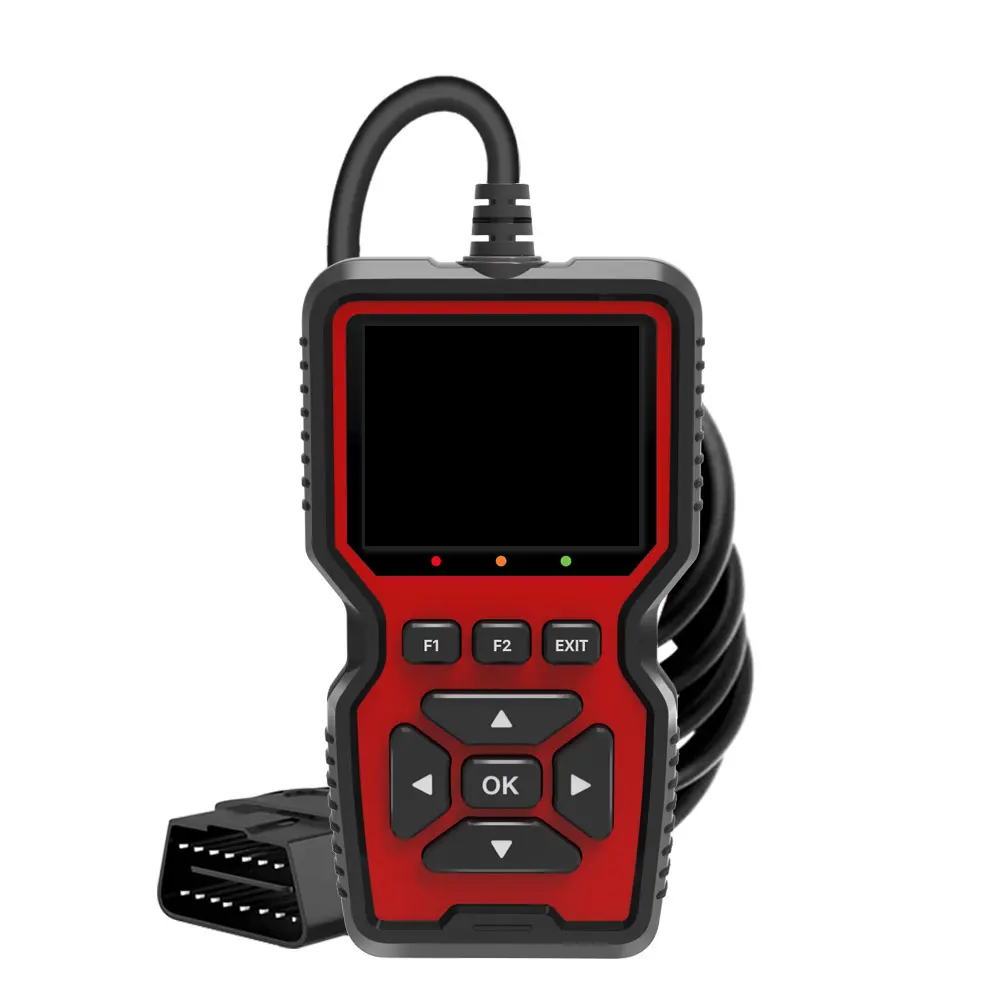
- Connect an OBD-II scanner and retrieve all stored and pending DTCs. Note any other codes present, as they might provide additional clues.
- Access the live data stream and monitor the “Engine Oil Pressure” PID (Parameter ID). Observe the reported oil pressure reading with the engine off (ignition on) and then with the engine running at idle and at approximately 2000 RPM.
- Compare these readings to the vehicle manufacturer’s specifications. Note if the reading is stuck, unusually high or low, or fluctuates erratically. A healthy sensor typically reports 0 psi with the engine off and increasing pressure with RPM.
- Mechanical Oil Pressure Gauge Test:
- This is a critical diagnostic step. Carefully remove the EOP sensor/switch and install a known-good, calibrated mechanical oil pressure gauge directly into the engine block’s oil pressure port.
- Start the engine and allow it to reach operating temperature. Compare the mechanical gauge’s readings at idle and at 2000 RPM to the manufacturer’s specifications. Also, compare the mechanical gauge’s reading to the live data stream from the EOP sensor (if still connected and providing data).
- Interpretation: If the mechanical gauge shows correct oil pressure but the EOP sensor’s live data is incorrect or P0521 is present, the fault lies with the EOP sensor or its circuit. If the mechanical gauge also shows low or incorrect oil pressure, the problem is likely an actual engine lubrication issue, and the EOP sensor may be reporting accurately.
- Digital Multimeter (DMM) Electrical Testing:
- Disconnect the EOP sensor connector.
- Reference Voltage Check: With the ignition ON (engine OFF), test the voltage between the reference voltage wire (usually 5V or 12V, consult wiring diagram) at the sensor connector and a known good ground. If no reference voltage, diagnose wiring back to the PCM.
- Ground Circuit Check: Test for continuity or very low resistance (typically < 0.5 ohms) between the ground wire at the sensor connector and chassis ground or battery negative. An open ground will cause an inaccurate signal.
- Signal Wire Check (Open/Short): With the battery disconnected, check for continuity between the signal wire terminal at the EOP sensor connector and the corresponding terminal at the PCM connector. Look for an open circuit. Also, check for shorts to power or ground on the signal wire using the DMM’s resistance function.
- Sensor Internal Resistance (if applicable): Some EOP sensors have a measurable resistance. Consult the factory service manual for specifications and test the sensor directly if removable and testable.
Recommended Repairs and Solutions
Based on the diagnostic findings, the appropriate repairs can be implemented:
- Address Engine Oil Level and Condition: If the initial inspection revealed low oil or incorrect/contaminated oil, perform an oil change with the correct viscosity and type of engine oil and fill to the manufacturer’s specified level. This fundamental step can resolve pressure-related issues if the sensor itself is good.
- Repair or Replace Wiring Harness and Connectors: If the DMM tests or visual inspection identify damaged, corroded, or open/shorted wiring or connectors, repair them using appropriate automotive wiring repair techniques (e.g., soldering, heat-shrink tubing, replacement terminals/connectors). Ensure all connections are clean and secure.
- Replace Engine Oil Pressure Sensor/Switch: This is the most common repair if the mechanical gauge confirms accurate oil pressure but the EOP sensor itself tests faulty or provides inaccurate live data.
- Always use an Original Equipment Manufacturer (OEM) or high-quality aftermarket replacement part to ensure proper function and longevity.
- Apply thread sealant to the sensor threads if recommended by the manufacturer, and tighten to the specified torque to prevent oil leaks and sensor damage.
- Diagnose and Repair Internal Engine Mechanical Issues: If the mechanical oil pressure gauge test confirms genuinely low or incorrect oil pressure, the P0521 code is a symptom of a more serious underlying mechanical issue. This will require further in-depth engine diagnostics, potentially involving the oil pump, oil pickup tube screen, main or rod bearings, or components of the Variable Valve Timing (VVT) system. This extends beyond a simple P0521 repair and indicates a critical engine condition.
- Clear DTCs and Verify Repair: After any repair, use an OBD-II scanner to clear the P0521 code and any other related DTCs. Perform a comprehensive test drive under various operating conditions to ensure the code does not return and that engine oil pressure readings are stable and within specification.
Mechanics’ Tip: Always prioritize the use of a mechanical oil pressure gauge to definitively confirm actual oil pressure. Relying solely on the vehicle’s electronic sensor for diagnosis can lead to misdiagnosis and unnecessary component replacement, or worse, overlooking a critical engine lubrication problem that could lead to catastrophic engine damage.