What Does Code P0733 Mean?
The diagnostic trouble code P0733 signifies “Gear 3 Incorrect Ratio.” This code is set by the Powertrain Control Module (PCM) or Transmission Control Module (TCM) when it detects a discrepancy between the expected rotational speed ratio of the input shaft and the output shaft, specifically when the transmission is commanded into 3rd gear. The PCM/TCM monitors data from the Input Speed Sensor (ISS) and Output Speed Sensor (OSS). Based on the activated shift solenoids and the transmission’s internal hydraulic pressure, the control module determines which gear the transmission should be operating in. For 3rd gear, there is a predefined gear ratio, calculated as ISS RPM / OSS RPM. If the actual calculated ratio deviates significantly from the manufacturer’s specified 3rd gear ratio by a calibrated threshold, and this condition persists for a set period, the PCM/TCM registers P0733, illuminates the Malfunction Indicator Lamp (MIL), and may initiate transmission limp mode strategies. This indicates a fundamental mechanical, hydraulic, or electrical issue preventing the transmission from achieving or maintaining the correct 3rd gear ratio.
Common Symptoms
- Malfunction Indicator Lamp (MIL) illumination: The “Check Engine” light will be on.
- Transmission slipping: The engine RPMs may rise excessively without a corresponding increase in vehicle speed when 3rd gear is commanded or engaged.
- Delayed or harsh engagement of 3rd gear: The transmission may hesitate or engage abruptly when shifting into 3rd.
- Inability to shift into 3rd gear: The transmission may skip 3rd gear entirely, staying in a lower gear or shifting directly to 4th, or entering a protective limp mode.
- Reduced acceleration and lack of power: Especially noticeable when the vehicle attempts to use 3rd gear.
- Increased fuel consumption: Due to the transmission operating inefficiently or at higher RPMs.
- Unusual noises from the transmission: Such as clunking or grinding, indicating internal mechanical wear.
What Causes the Code P0733?
- Worn or damaged 3rd gear clutch pack: Insufficient friction material prevents proper engagement and holding power.
- Faulty 3rd gear shift solenoid or pressure control solenoid: The solenoid responsible for directing hydraulic fluid to apply the 3rd gear clutches may be sticking, electrically failing, or experiencing internal leakage.
- Low or contaminated transmission fluid: Insufficient fluid pressure or fluid degraded by heat and debris can prevent proper clutch engagement and hydraulic function.
- Obstructed transmission filter: Restricts fluid flow to the transmission pump and valve body, leading to low line pressure.
- Malfunctioning transmission valve body: Sticking valves, worn bores, or debris within the valve body can disrupt hydraulic pressure pathways for 3rd gear engagement.
- Internal transmission mechanical failure: Such as worn planetary gears, input/output shafts, or other hard parts specific to the 3rd gear train.
- Transmission Input Speed Sensor (ISS) or Output Speed Sensor (OSS) inaccuracy: While less common for a single gear ratio code without other specific sensor codes, a faulty sensor providing incorrect data can lead to a miscalculation of the gear ratio.
- Wiring harness damage or poor electrical connections: Affecting the 3rd gear shift solenoid, pressure control solenoids, or speed sensors.
- Faulty Transmission Control Module (TCM) or Powertrain Control Module (PCM): Although rare, an internal module fault or incorrect software calibration can lead to erroneous gear ratio detection.
How to Diagnose and Troubleshoot
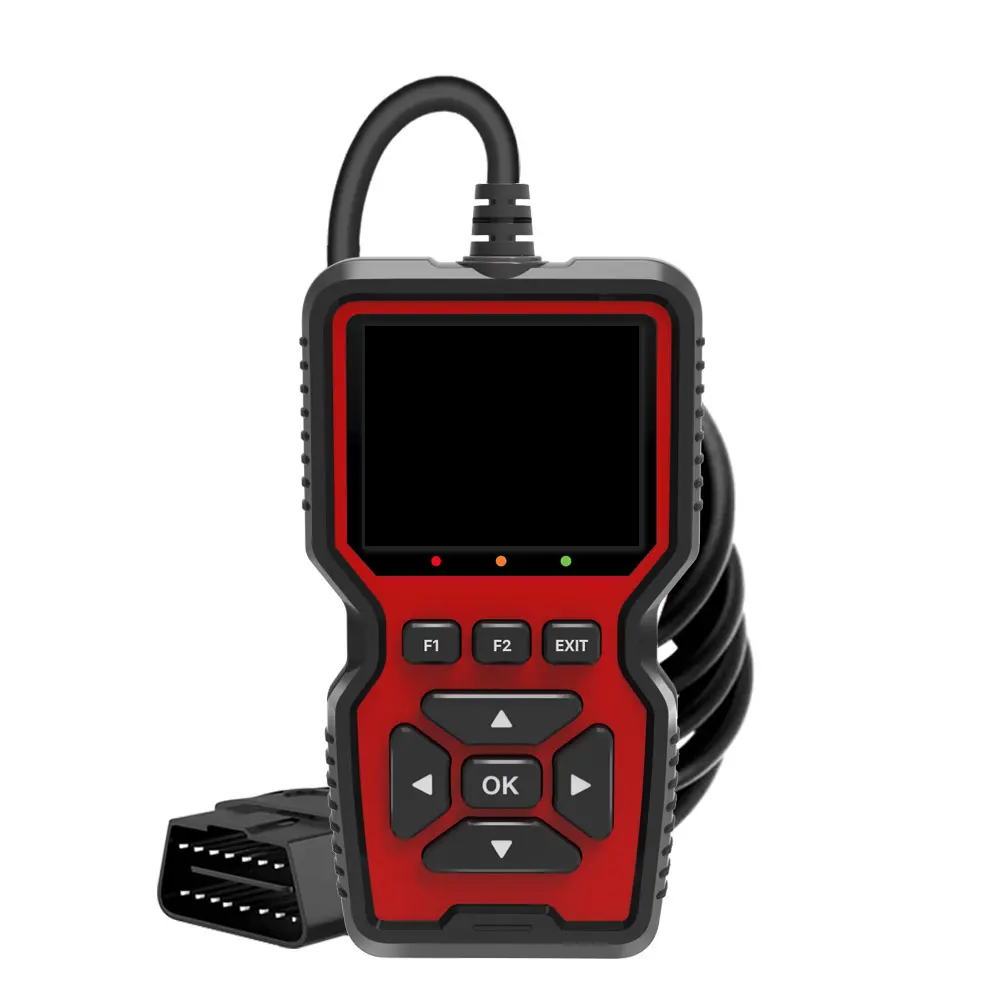
Diagnosing P0733 requires a methodical approach, often involving an advanced OBD-II scanner and a digital multimeter (DMM).
- Retrieve & Analyze DTCs and Freeze Frame Data: Connect an OBD-II scanner and record all present and pending Diagnostic Trouble Codes. Pay close attention to any other transmission-related codes (P07xx series), especially those for speed sensors or shift solenoids. Review freeze frame data to understand engine and transmission parameters at the time the code was set (e.g., vehicle speed, engine RPM, transmission fluid temperature, commanded gear).
- Inspect Transmission Fluid: With the vehicle warmed up and running, check the transmission fluid level using the manufacturer’s specified procedure. Note the fluid’s condition: inspect for dark color, burnt odor, or the presence of metallic particles or clutch material on the dipstick or in the pan (if removed). Low or severely degraded fluid is a primary suspect.
- Visual Inspection of External Components: Carefully inspect the transmission wiring harness for any signs of damage, chafing, loose connections, or corrosion. Check the external transmission casing for fluid leaks.
- Road Test and Live Data Analysis: Perform a road test while monitoring live data with the scanner. Focus on Input Shaft Speed (ISS) and Output Shaft Speed (OSS). As the transmission attempts to shift into 3rd gear, monitor the ISS/OSS ratio. Compare the observed ratio to the manufacturer’s specified 3rd gear ratio for your specific transmission. If the ratio is significantly off when 3rd gear is commanded, it confirms a mechanical or hydraulic problem within the transmission. Also, monitor solenoid states to confirm the PCM is correctly commanding 3rd gear.
- Electrical Testing of Shift Solenoids: If the road test confirms a ratio issue, access the transmission’s electrical connector or the PCM/TCM connector. Using a DMM, measure the resistance of the 3rd gear shift solenoid(s) (refer to the vehicle’s service manual for specific solenoid assignments). Compare readings to factory specifications. An open circuit or incorrect resistance indicates a faulty solenoid. Also, check for continuity in the solenoid’s wiring back to the control module.
- Hydraulic Pressure Testing (Advanced): For a more in-depth diagnosis, if test ports are available, connect a transmission pressure gauge. Monitor line pressure and specific clutch apply pressures (if available) as the transmission shifts through gears, paying close attention to 3rd gear engagement. Low or fluctuating pressure indicates issues with the pump, valve body, or internal leaks.
- Valve Body Inspection: If electrical tests of solenoids pass and hydraulic issues are suspected, the transmission pan and valve body may need to be removed for inspection. Look for sticking valves, worn valve body bores, or debris restricting fluid passages.
Recommended Repairs and Solutions
The resolution for P0733 depends on the root cause identified during diagnosis. Repairs range from simple fluid services to complete transmission overhauls.
- Transmission Fluid and Filter Service: If low or contaminated fluid is the sole issue, perform a complete transmission fluid flush and filter replacement. Ensure the correct OEM-specified fluid type is used. This can resolve minor hydraulic issues but will not fix mechanical wear.
- Replace Faulty Shift Solenoid(s): If electrical testing points to a faulty 3rd gear shift solenoid or associated pressure control solenoid, replace it. This typically involves dropping the transmission pan and removing the valve body cover. Always use OEM-quality replacement solenoids.
- Repair or Replace Valve Body: If the valve body is found to have sticking valves, worn bores, or significant debris affecting hydraulic operation, it may need to be repaired (e.g., reaming bores, replacing individual valves) or replaced with a new or remanufactured unit.
- Internal Transmission Repair or Overhaul: If diagnostic steps confirm internal mechanical failures such as worn clutch packs, broken bands, or damaged planetary gears specific to the 3rd gear train, a full transmission rebuild or replacement (with a new or remanufactured unit) is typically necessary. This is often the most common and extensive repair for a persistent P0733 code.
- Repair Wiring Harness or Connectors: If damaged wiring or corroded connectors are found to be interrupting solenoid or sensor signals, repair or replace the affected sections of the wiring harness.
- PCM/TCM Reprogramming or Replacement: Only consider this as a last resort if all mechanical and electrical components have been thoroughly tested and confirmed to be functioning correctly. Ensure the control module has the latest software calibration.
Mechanic’s Tip: Always clear the DTCs after any repair and perform a road test to verify the fix. Some transmissions may require a “relearn” procedure for shift adaptations after repairs or fluid changes. Always refer to the vehicle’s specific factory service manual for detailed procedures and specifications.