What Does Code P0765 Mean?
DTC P0765 indicates an electrical malfunction within the control circuit for Shift Solenoid “D.” In an electronically controlled automatic transmission, shift solenoids are electro-hydraulic valves responsible for directing hydraulic fluid pressure to specific clutch packs or bands to engage different gear ratios. The Powertrain Control Module (PCM) or Transmission Control Module (TCM) monitors the electrical characteristics of each shift solenoid circuit, including resistance, voltage, and current flow. When the PCM/TCM detects an open circuit, a short circuit to ground, or a short circuit to power within the Shift Solenoid “D” circuit that deviates from its calibrated specifications for a set period or under specific operating conditions, it will store P0765 and illuminate the Malfunction Indicator Lamp (MIL). Shift Solenoid “D” typically controls a specific gear engagement or a hydraulic pressure path crucial for a particular shift event (e.g., 3rd or 4th gear apply, or a specific line pressure adjustment). A malfunction in this solenoid’s circuit means the PCM/TCM cannot effectively command the intended hydraulic action, leading to incorrect gear engagement or an inability to shift.
Common Symptoms
- Delayed or harsh transmission shifts
- Transmission slipping between gears
- Inability to shift into certain gears
- Transmission stuck in “limp mode” (often 3rd gear default)
- Reduced fuel economy
- Check Engine Light (MIL) illuminated
- Transmission may not engage reverse or drive correctly
What Causes the Code P0765?
- Faulty Shift Solenoid “D” (internal open or short circuit)
- Damaged, corroded, or chafed wiring harness leading to Shift Solenoid “D”
- Corroded or loose electrical connectors at the transmission or PCM/TCM
- Open or short circuit in the solenoid’s power or ground supply circuit
- Contaminated transmission fluid restricting solenoid operation (less common for a purely electrical code like P0765, but can contribute)
- Internal transmission mechanical failure affecting solenoid operation (e.g., valve body issues, though P0765 points to electrical)
- Faulty Powertrain Control Module (PCM) or Transmission Control Module (TCM) (rare)
How to Diagnose and Troubleshoot
Diagnosis of P0765 requires methodical electrical testing and a thorough understanding of transmission control systems:
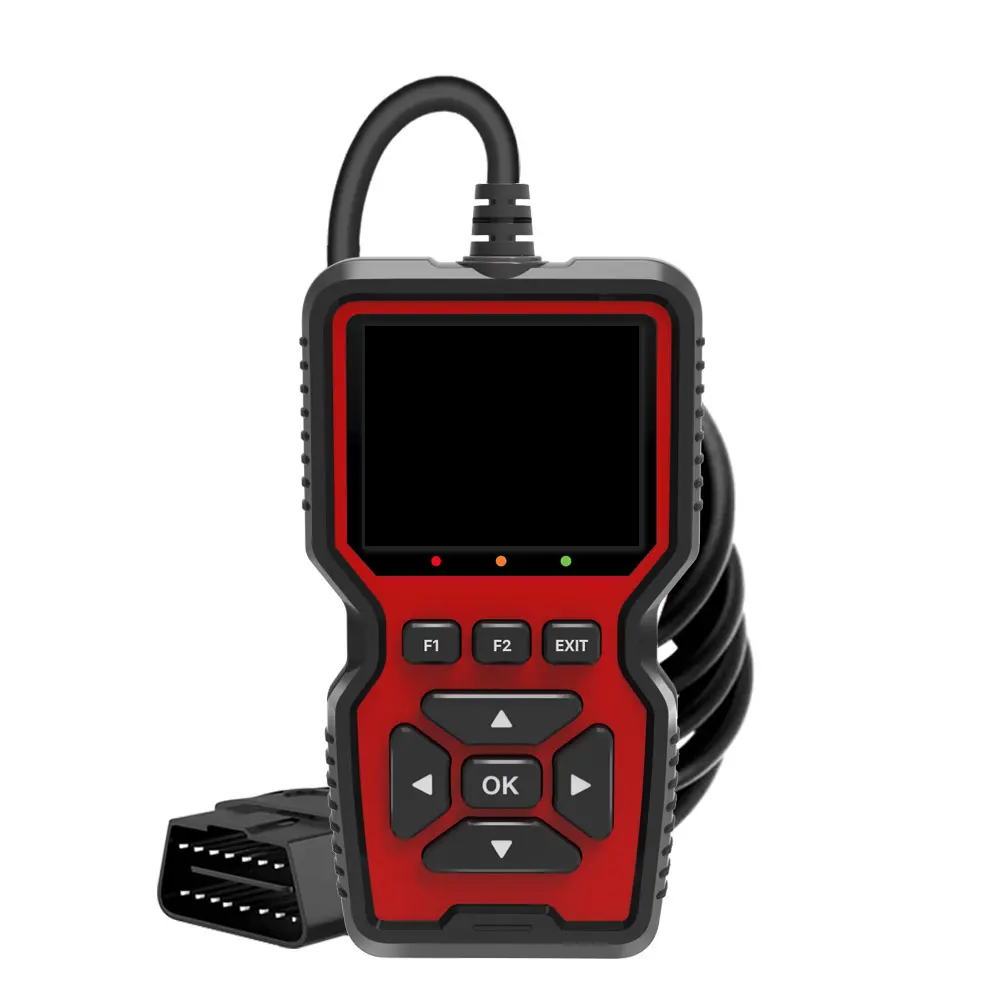
- Retrieve DTCs and Freeze Frame Data: Connect an OBD-II scanner to confirm P0765 and check for any co-existing transmission-related codes. Analyze freeze frame data to understand engine and transmission conditions when the fault was set (e.g., vehicle speed, engine RPM, transmission fluid temperature, commanded gear). This provides crucial context for diagnosis.
- Visual Inspection: Inspect the transmission wiring harness for any signs of chafing, corrosion, or damage, particularly where it passes near hot exhaust components or sharp edges. Examine the electrical connector to the transmission case and the solenoid connector (if externally accessible) for bent pins, corrosion, or a loose fit. Check the transmission fluid level and condition; low or severely contaminated fluid can indirectly stress electrical components.
- Resistance Test of Shift Solenoid “D”:
- Locate the transmission control module (TCM) or PCM connector (if integrated). Using a wiring diagram, identify the two control wires for Shift Solenoid “D.”
- With the ignition OFF and the transmission connector disconnected, measure the resistance across the two terminals corresponding to Shift Solenoid “D” within the transmission connector using a Digital Multimeter (DMM).
- Compare the reading to the manufacturer’s specifications (typically 10-30 ohms for most solenoids). An out-of-specification reading (e.g., infinite resistance for an open circuit, or near zero for a short) indicates a faulty solenoid.
- Continuity and Short Circuit Test of Wiring Harness:
- With the transmission connector disconnected, measure the resistance between each of the Shift Solenoid “D” control wires at the PCM/TCM connector (with PCM/TCM disconnected) and the corresponding pin at the transmission connector. Resistance should be very low (typically less than 0.5 ohms). High resistance indicates a damaged wire.
- Test for short to ground: Measure resistance between each solenoid wire (at the PCM/TCM connector) and chassis ground. There should be infinite resistance.
- Test for short to power: With the ignition ON, measure voltage between each solenoid wire (at the PCM/TCM connector) and chassis ground. There should be no voltage present unless specified by the manufacturer for the specific circuit design.
- Voltage Supply Test: If the solenoid receives a dedicated power supply, verify that the correct voltage (typically battery voltage) is present at the solenoid’s power terminal when commanded or key on, using the DMM.
- PCM/TCM Diagnosis: If all wiring and solenoid tests pass within specifications, and the code persists, the PCM/TCM itself may be at fault. This is rare and should only be considered after exhaustive testing of all other components.
Recommended Repairs and Solutions
Based on diagnostic findings, the appropriate repair typically involves:
- Shift Solenoid “D” Replacement: If the resistance test indicates a faulty solenoid, replacement is necessary. This often requires dropping the transmission oil pan and, in some cases, removing the valve body to access the solenoid. Always use OEM or high-quality aftermarket solenoids for reliability. Ensure the correct transmission fluid type and fill level are maintained after the repair.
- Wiring Harness Repair or Replacement: If damaged wiring or connectors are identified, repair them using proper soldering techniques, heat shrink tubing, and automotive-grade connectors. If the damage is extensive, replacement of the relevant section of the wiring harness may be more effective.
- Transmission Fluid and Filter Service: If the transmission fluid was found to be severely contaminated or at an incorrect level, perform a full fluid and filter change according to manufacturer specifications. While P0765 is an electrical code, clean fluid is vital for overall transmission health and can prevent future issues.
- PCM/TCM Replacement or Reprogramming: If all other components test good and the PCM/TCM is implicated, replacement or reprogramming may be required. This is a complex and costly repair, often requiring specialized tools for module programming and calibration.
Mechanics’ Tip: When working with transmission solenoids, always ensure the work area is meticulously clean to prevent contamination of the delicate valve body and hydraulic system. Use new gaskets and torque bolts to manufacturer specifications to prevent leaks. After any transmission component replacement, clear the DTCs and perform a road test to verify the repair and ensure proper transmission operation across all gears.