What Does Code P0773 Mean?
DTC P0773 indicates an electrical malfunction within the circuit of Shift Solenoid “E” in an automatic transmission. The Powertrain Control Module (PCM) or Transmission Control Module (TCM) continuously monitors the electrical characteristics of all shift solenoid circuits, including resistance, voltage, and current draw. When the PCM/TCM detects an electrical reading for Shift Solenoid “E” that falls outside its pre-programmed, manufacturer-specific operating parameters – typically an open circuit (infinite resistance), a short to ground (zero resistance), or a short to voltage – it interprets this as a fault. Shift Solenoid “E” is a critical electro-hydraulic component responsible for controlling the flow of transmission fluid to specific clutch packs or bands within the valve body, thereby facilitating precise gear engagement and disengagement. An electrical fault in its circuit prevents the PCM/TCM from effectively commanding the solenoid, leading to improper hydraulic pressure regulation and compromised shift performance for the specific gear or shift event controlled by this solenoid.
Common Symptoms
- Check Engine Light (CEL) Illumination: The primary and most common indicator.
- Transmission Slipping: The transmission may fail to engage gears properly or slip between gears.
- Harsh or Erratic Shifting: Abrupt or unusually firm gear changes, especially when the affected solenoid would normally be active.
- Delayed Gear Engagement: A noticeable pause or hesitation when shifting into Drive or Reverse.
- Transmission in Limp Mode (Fail-Safe): The PCM/TCM may default to a single, higher gear (e.g., 3rd or 4th) to prevent further transmission damage, limiting vehicle speed and performance.
- Inability to Engage Certain Gears: The vehicle may be unable to shift into specific gear ratios controlled by Solenoid E.
- Increased Fuel Consumption: Due to inefficient transmission operation or being stuck in a sub-optimal gear ratio.
What Causes the Code P0773?
- Faulty Shift Solenoid “E”: The solenoid coil itself may have an internal open circuit, short circuit, or incorrect resistance, preventing it from functioning electrically.
- Damaged Wiring Harness: An open circuit (broken wire), a short to ground, or a short to battery voltage within the wiring leading to Shift Solenoid “E” or between the solenoid and the PCM/TCM. This can be caused by chafing, cuts, or corrosion.
- Corroded or Loose Electrical Connections: Poor pin tension, corrosion, or contamination at the solenoid connector, the transmission case connector, or the PCM/TCM connector leading to intermittent or high-resistance connections.
- Contaminated Transmission Fluid: While primarily an electrical code, severely degraded or contaminated transmission fluid can sometimes contribute to premature solenoid failure or clog the solenoid’s internal mechanisms, although this is less direct for a purely “electrical” fault code.
- Faulty Transmission Control Module (TCM) / Powertrain Control Module (PCM): Rarely, the internal driver circuit within the control module responsible for powering and monitoring Shift Solenoid “E” can fail. This should only be considered after all other possibilities have been meticulously ruled out.
How to Diagnose and Troubleshoot
Diagnosis of P0773 requires a systematic approach, focusing on the electrical circuit integrity of Shift Solenoid “E”.
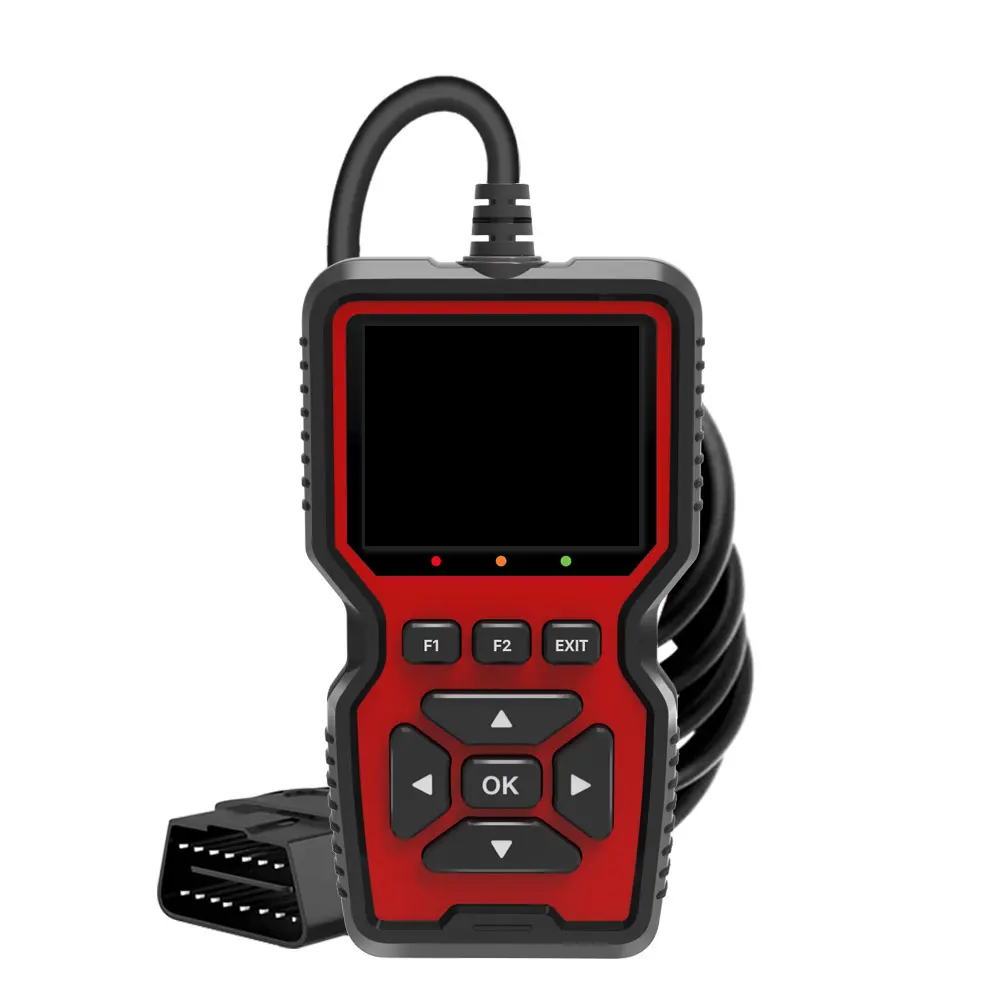
- Verify DTC and Gather Data: Connect an OBD-II scanner to confirm P0773 and check for any other related transmission or engine codes. Review freeze frame data to understand engine RPM, vehicle speed, load, and transmission fluid temperature at the time the code was set. This provides crucial context for intermittent issues.
- Visual Inspection: Begin by thoroughly inspecting the transmission fluid level and condition. While not always directly related to an electrical fault, severely low or burnt fluid can indicate other underlying transmission issues. Locate Shift Solenoid “E” (refer to the vehicle’s factory service manual for its precise location, often within the transmission valve body and accessible by dropping the transmission pan). Visually inspect the wiring harness leading to the solenoid for any signs of damage such as chafing, cuts, pinches, or corrosion. Pay close attention to the integrity of the solenoid’s electrical connector and the main transmission harness connector.
- Electrical Resistance Test of Solenoid “E”:
- Ensure the ignition is OFF and the vehicle battery is disconnected for safety.
- Disconnect the electrical connector from Shift Solenoid “E”.
- Using a Digital Multimeter (DMM) set to the ohms (Ω) scale, measure the resistance across the two terminals of the Shift Solenoid “E” itself.
- Compare this reading to the manufacturer’s specifications (found in the factory service manual). Typical resistance values for shift solenoids range from 10 to 25 ohms, but this varies significantly by make and model.
- An “OL” (Open Line) reading indicates an open circuit within the solenoid coil, confirming a faulty solenoid. A reading near 0 ohms could indicate a short circuit within the solenoid. Any reading significantly outside the specified range points to a faulty solenoid.
- Wiring Harness Continuity and Short Circuit Tests:
- With the solenoid “E” disconnected, use the DMM to check for continuity of the harness wires leading from the solenoid connector back to the PCM/TCM connector. Refer to the vehicle’s wiring diagrams to identify the correct pins at the PCM/TCM. An “OL” reading indicates an open circuit in the wiring.
- Check each wire of the solenoid circuit from the harness connector for a short to ground. Place one DMM lead on the wire terminal and the other on a known good chassis ground. Any resistance reading less than infinite (or near 0 ohms) indicates a short to ground.
- Check each wire for a short to battery voltage. This requires having the ignition ON for specific tests or checking for continuity to other powered circuits. (Ensure battery disconnected for previous tests and reconnected safely for this test).
- Inspect the integrity of the connector terminals themselves; look for corrosion, bent pins, or signs of poor contact.
- Live Data Monitoring (Advanced Scan Tool): If the fault is intermittent and electrical tests pass, use an advanced scan tool to monitor live data parameters related to the transmission, specifically the commanded state and actual feedback (if available) of Shift Solenoid “E” while performing a road test. Look for discrepancies between the commanded state and the expected operation, or sudden drops/spikes in circuit readings.
Recommended Repairs and Solutions
Once the diagnosis has pinpointed the root cause of P0773, the following repairs are typically recommended:
- Replace Faulty Shift Solenoid “E”: If the resistance test confirms an internal electrical fault within the solenoid itself (open circuit, short circuit, or incorrect resistance), the most direct and common solution is to replace Shift Solenoid “E”. This often necessitates dropping the transmission pan, draining the transmission fluid, and accessing the valve body where the solenoid is typically mounted.
- Repair or Replace Wiring Harness: If visual inspection or continuity tests reveal damaged wiring (chafed insulation, broken wires, or corrosion), repair the affected section of the wiring harness. Use high-quality soldering and heat-shrink tubing for durable repairs, or replace the entire harness section if damage is extensive. Ensure all connectors are clean, free of corrosion, and have proper pin tension. Apply dielectric grease to protect electrical connections.
- Perform Transmission Fluid and Filter Service: Whenever the transmission pan is removed to access solenoids, it is imperative to perform a complete transmission fluid and filter service. Use only the manufacturer-specified type and grade of automatic transmission fluid (ATF) and a new filter.
- PCM/TCM Replacement (Last Resort): If all electrical tests on the solenoid and its complete wiring circuit pass, and symptoms persist, then and only then should the PCM/TCM be considered as a potential cause. This is a complex and often expensive repair that usually requires programming or flashing the new module to the vehicle.
- Post-Repair Verification: After completing any repairs, clear the Diagnostic Trouble Codes (DTCs) using an OBD-II scanner. Perform a thorough road test under varying driving conditions, including shifts through all gears, to confirm the repair. Monitor live data again if possible to ensure the solenoid operates correctly and the code does not return. Some transmissions may require a specific relearn procedure or adaptation drive cycle after solenoid replacement; consult the factory service manual for any such requirements.