What Does Code P0781 Mean?
DTC P0781 signifies a detected “1-2 Shift Malfunction” within the automatic transmission system. The Powertrain Control Module (PCM) or Transmission Control Module (TCM), which are often integrated or communicate extensively, monitors the rotational speed of the transmission’s input shaft (turbine speed sensor) and output shaft (vehicle speed sensor or output shaft speed sensor). During a commanded gear change from 1st to 2nd gear, the control module expects to see a precise and predictable change in the gear ratio, which is the mathematical relationship between the input and output shaft speeds. If the actual gear ratio during or immediately after the 1-2 shift does not correlate with the factory-programmed specifications for 2nd gear within a calibrated time frame and RPM range, the PCM/TCM registers a rationality error, flags P0781, and illuminates the Malfunction Indicator Lamp (MIL). This indicates that the desired 1-2 gear engagement either failed, was delayed, or slipped excessively.
Common Symptoms
- Harsh or Abrupt 1-2 Shift: The transmission may engage 2nd gear with a noticeable jolt or bang.
- Delayed 1-2 Shift: The engine RPM may rise excessively before the transmission finally shifts into 2nd gear.
- Engine RPM Flare: A sudden, uncontrolled increase in engine RPM during the 1-2 shift, indicating clutch or band slippage.
- No 2nd Gear: The transmission may remain in 1st gear or revert to a “limp mode” where 2nd gear is unavailable, often skipping directly to 3rd or 4th.
- Reduced Fuel Economy: Due to inefficient gear engagement and potential prolonged operation in a lower gear.
- Illuminated Malfunction Indicator Lamp (MIL): The “Check Engine” light will be illuminated on the dashboard.
- Transmission Entering Limp Mode: The vehicle’s speed and gear selection may be restricted to prevent further damage.
What Causes the Code P0781?
- Faulty 1-2 Shift Solenoid: This is one of the most common causes, either due to an electrical malfunction (open circuit, short circuit, incorrect resistance) or a mechanical failure (stuck open, stuck closed, restricted movement) preventing proper fluid routing for the 1-2 shift.
- Low or Contaminated Transmission Fluid: Insufficient fluid levels or degraded/dirty fluid can lead to inadequate hydraulic pressure for proper clutch/band engagement, causing slippage or delayed shifts.
- Internal Transmission Mechanical Failure: Worn or damaged 1st or 2nd gear clutch packs, worn transmission bands, damaged planetary gear sets, or faulty sprag clutches can prevent proper gear engagement.
- Valve Body Malfunction: Stuck or worn valves within the valve body, particularly those controlling the 1-2 shift, can cause hydraulic pressure misdirection or leakage.
- Clogged Transmission Filter or Restricted Passages: A severely clogged filter can starve the pump of fluid, leading to low line pressure, while internal blockages can impede fluid flow to the relevant clutch or band.
- Faulty Transmission Fluid Pressure Sensor: Incorrect pressure readings can cause the TCM to mismanage hydraulic pressure for shifts.
- Wiring Harness or Connector Issues: Opens, shorts, or high resistance in the wiring connecting the shift solenoid to the TCM/PCM, or corroded/loose connectors, can disrupt electrical signals.
- Defective Input or Output Speed Sensors: While often accompanied by their own DTCs, inaccurate speed sensor data can lead the PCM/TCM to misinterpret gear ratios, leading to incorrect shift timing or detection of a malfunction.
- Failed Transmission Control Module (TCM) or Powertrain Control Module (PCM): Although less common, an internal fault within the control module itself can lead to incorrect shift commands or misinterpretation of sensor data.
How to Diagnose and Troubleshoot
Diagnosing P0781 requires a systematic approach, combining visual inspection, electrical testing, and advanced scanner functions:
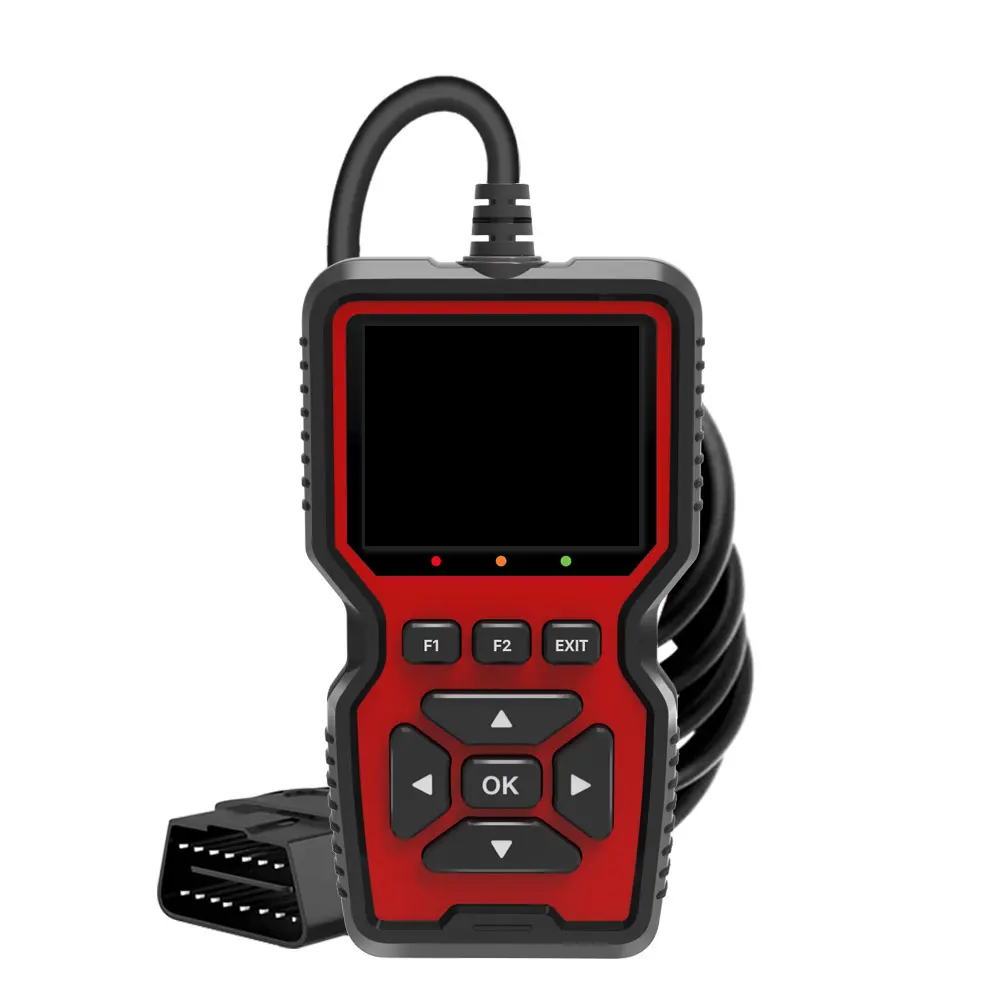
- Initial Scan and Freeze Frame Data Retrieval: Connect an OBD-II scanner and retrieve all stored DTCs. Record any accompanying codes, especially those related to transmission solenoids (P0750-P0770 series), transmission fluid temperature, or speed sensors. Analyze freeze frame data to understand engine RPM, vehicle speed, and transmission temperature at the time the code was set. This provides critical context.
- Transmission Fluid Inspection: Check the transmission fluid level on level ground, following the manufacturer’s specific procedure (engine running/off, specific temperature). Observe the fluid’s condition: note color (should be reddish, not brown or black), odor (burnt smell indicates friction material wear), and presence of debris or metallic particles on the dipstick or in the pan. Low or severely degraded fluid can be a primary cause.
- Visual Inspection of Wiring and Connectors: Carefully inspect the external transmission wiring harness and connectors, particularly those leading to the 1-2 shift solenoid (if externally accessible) and the main transmission connector. Look for signs of chafing, fraying, corrosion, loose pins, or damage from road debris.
- Live Data Analysis (Advanced OBD-II Scanner):
- Monitor Transmission Input Speed and Output Speed sensors. During a test drive (if safe), observe if these speeds correlate correctly with gear changes, especially during the 1-2 shift. An expected drop in input speed relative to output speed should occur smoothly.
- Monitor Commanded Gear and Actual Gear (if available). Observe if the commanded 2nd gear aligns with the actual gear engagement.
- Monitor Shift Solenoid Status (ON/OFF or Duty Cycle) for the 1-2 shift solenoid. Verify that the TCM is commanding the solenoid to activate for the 1-2 shift.
- Monitor Transmission Fluid Temperature (TFT). An extremely high or low TFT can affect shift quality and potentially set codes.
- Electrical Testing of 1-2 Shift Solenoid (DMM):
- Resistance Test: With the ignition OFF and the solenoid’s electrical connector disconnected (or at the TCM connector, referencing a wiring diagram), measure the resistance across the terminals of the 1-2 shift solenoid using a Digital Multimeter (DMM). Compare the reading to factory specifications (typically 10-25 ohms). An open circuit (OL) or a short circuit (0 ohms) indicates a faulty solenoid coil.
- Continuity to Ground/Power: Check for continuity between each solenoid terminal and vehicle ground or battery positive. There should be no continuity unless specified by the manufacturer for specific solenoid types.
- Power Supply and Control Circuit Test: With the ignition ON, verify proper voltage supply to the solenoid circuit (often 12V). Then, check the control circuit from the solenoid back to the TCM/PCM for opens or shorts using continuity tests.
- Hydraulic Pressure Test (Advanced): If electrical and fluid checks pass, and internal mechanical issues are suspected, a hydraulic pressure test at various transmission test ports may be necessary. This requires specialized gauges and knowledge of the transmission’s pressure specifications to diagnose pump issues, regulator valve problems, or internal leaks affecting the 1-2 circuit.
- TCM/PCM Diagnostic Check: If all other components test good, and no wiring issues are found, consider a potential TCM/PCM internal fault. This typically requires specialized diagnostic tools capable of reading module self-tests and potentially reprogramming.
Recommended Repairs and Solutions
The corrective actions for P0781 are directly dependent on the root cause identified during diagnosis:
- Replace the 1-2 Shift Solenoid: If electrical testing confirms an internal fault in the solenoid (incorrect resistance, open, or short), replace the solenoid. In many cases, solenoids are part of a solenoid pack or integrated into the valve body, requiring replacement of the entire assembly. Always use OEM or high-quality aftermarket solenoids.
- Transmission Fluid and Filter Service: If the fluid is low, burnt, or contaminated, perform a complete transmission fluid and filter change. Ensure the correct type of transmission fluid (ATF) is used according to the manufacturer’s specifications. After refill, recheck the level meticulously.
- Repair/Replace Damaged Wiring or Connectors: If the diagnostic procedure revealed damaged, corroded, or loose wiring/connectors leading to the shift solenoid or TCM, perform necessary repairs (solder connections, use heat-shrink tubing) or replace the faulty harness sections/connectors.
- Repair Internal Transmission Mechanical Components: If a mechanical failure such as worn clutch packs, bands, or valve body issues is diagnosed, the transmission will likely need to be removed for overhaul, repair, or replacement. This is a significant repair often requiring specialized transmission shop expertise.
- Replace Valve Body: If individual valves within the valve body are stuck or worn and not serviceable separately, replacing the entire valve body assembly might be necessary.
- Replace Input/Output Speed Sensors: If erratic or incorrect speed sensor data was identified as a contributing factor, replace the faulty sensor(s). Clear all codes and test drive.
- Replace TCM/PCM: As a last resort, if all other diagnostics point to a control module failure, the TCM or PCM may need replacement and reprogramming. This is typically an expensive repair and should only be performed after ruling out all other possibilities.
Mechanics’ Tips:
- After any transmission work, ensure the transmission fluid level is precisely set according to manufacturer specifications. An incorrect level can immediately cause new issues.
- Always clear DTCs after repairs and perform a thorough test drive to confirm the fix. Some transmissions may require a specific drive cycle or “relearn” procedure for the TCM to adapt to new components or fluid.
- Check for any Technical Service Bulletins (TSBs) or recalls related to P0781 or 1-2 shift issues for the specific vehicle make and model. Manufacturers sometimes issue updates or revised components to address known design flaws.
- When replacing solenoids, inspect the bore for any debris or wear that might impede the new solenoid’s function.
- Consider flushing the transmission cooler and lines if the fluid was severely contaminated to prevent residual debris from affecting new components.