
Overview & Design Features
The Lexus 2GR-FSE is a 3.5-liter (3456 cc) naturally aspirated V6 gasoline engine, a prominent member of Toyota’s GR engine family. Developed by Toyota for its luxury Lexus division, the 2GR-FSE is renowned for its blend of power, smoothness, and efficiency. It represents a significant evolution from earlier GR engines, primarily distinguished by its sophisticated D4-S fuel injection system and advanced valvetrain technology, making it a cornerstone for various performance-oriented Lexus models in the mid-2000s and beyond.
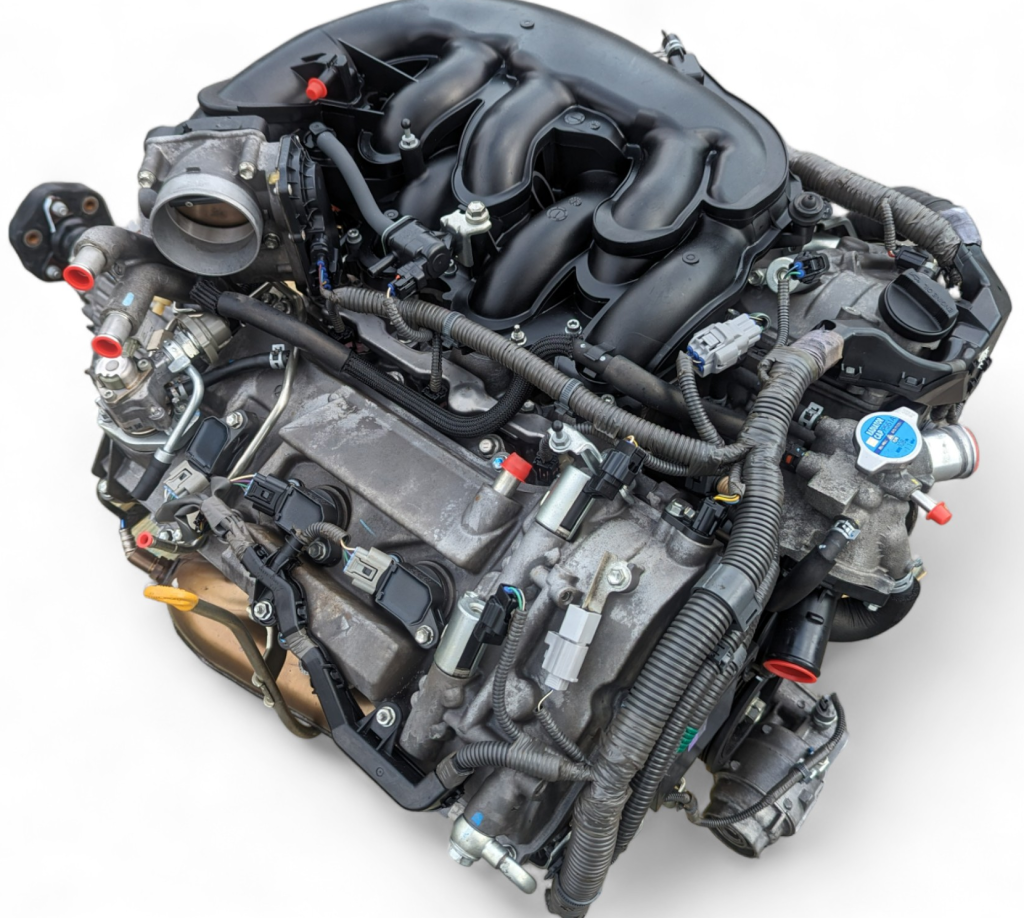
Engineered for premium applications, the 2GR-FSE features a lightweight all-aluminum construction, comprising an aluminum alloy cylinder block and cylinder heads. The block utilizes cast iron cylinder liners for durability. A key technological advancement is Toyota’s D4-S direct and port fuel injection system, which combines the benefits of both, offering precise fuel delivery for optimal power and efficiency across the RPM range while also mitigating intake valve carbon buildup. The valvetrain incorporates a Dual Variable Valve Timing with intelligence (Dual VVT-i) system on both intake and exhaust camshafts, continuously optimizing valve overlap for enhanced torque and reduced emissions.
This specific iteration of the GR engine family was widely deployed across several Lexus models. Its primary applications include the Lexus IS 350 (2006-2013, 2014-2020), Lexus GS 350 (2007-2011, 2013-2020), and Lexus RC 350 (2015-present). While other GR variants exist for hybrid applications, the 2GR-FSE specifically powered these conventional gasoline-only or performance-tuned models, solidifying its reputation for robust and refined power delivery.
Technical Specifications
| Displacement | 3456 cc (3.5 L) |
| Max Power | 306 hp (228 kW) @ 6400 RPM |
| Max Torque | 375 Nm (38.2 kg*m) @ 4800 RPM |
| Fuel Type | Premium Unleaded (91+ RON) |
| Fuel Consumption (Combined) | ~9.5 – 10.5 l/100 km (varies by vehicle/drivetrain) |
| Engine Type | V6, DOHC, 24-valve |
| Compression Ratio | 11.8:1 |
| Cylinder Bore | 94.0 mm |
| Piston Stroke | 83.0 mm |
| Valvetrain | DOHC, 4 valves per cylinder, Dual VVT-i |
| Valves per Cylinder | 4 |
| Additional Info | D4-S Direct and Port Fuel Injection, ACIS (Acoustic Control Induction System) |
Common Problems & Reliability
The Lexus 2GR-FSE engine is widely regarded for its exceptional reliability and durability, a hallmark of Toyota engineering. However, like any complex internal combustion engine, certain components may exhibit wear or issues over extended mileage. One common concern, albeit significantly mitigated by the D4-S system, is the potential for carbon buildup on the intake valves. While less severe than pure direct injection engines due to the port injectors’ washing action, sporadic use of high-quality fuel system cleaners and periodic intake manifold cleaning can be beneficial for high-mileage examples.
Another occasional issue identified is wear in the VVT-i actuator gears, which can manifest as a rattling sound during cold starts, though this is not a widespread failure and often resolves with engine warming. Less frequently reported, but worth noting, are potential leaks from the oil cooler lines, particularly on earlier models where rubber hoses were used. These can degrade over time and leak oil. Replacing them with updated metal lines is a recommended preventative measure for vehicles with higher mileage. The high-pressure fuel pump (HPFP) can also be a point of failure, though this is relatively uncommon. With proper and consistent maintenance, the 2GR-FSE engine typically achieves a service life exceeding 250,000 miles (400,000 km) before requiring a major overhaul, with many examples surpassing 300,000 miles (480,000 km).
Maintenance Tips & Service Schedule
Adhering to a diligent maintenance schedule is crucial for maximizing the longevity and performance of the 2GR-FSE engine. Engine oil and filter changes should be performed every 5,000 to 7,500 miles (8,000 to 12,000 km) or every 6 months, whichever comes first. The use of a high-quality full synthetic engine oil with a viscosity grade of 0W-20 or 5W-30 (depending on specific model year and climate recommendations) is strongly advised. Regular oil changes are vital for the proper function of the Dual VVT-i system.
Spark plugs, typically Iridium-tipped, have an extended service interval, generally requiring replacement every 60,000 to 90,000 miles (96,000 to 145,000 km). The 2GR-FSE utilizes a robust timing chain system designed for the life of the engine; therefore, no scheduled replacement is typically required. However, inspection of timing chain tensioners and guides may be prudent during major services on very high-mileage engines. Coolant flushes are recommended every 5 years or 100,000 miles (160,000 km) using Toyota Super Long Life Coolant (SLLC) or an equivalent long-life ethylene-glycol-based coolant. Regular inspection of accessory belts, hoses, and fluid levels should also be part of routine maintenance.
Conclusion
The Lexus 2GR-FSE engine stands as a testament to Toyota’s engineering prowess, offering a highly refined, powerful, and remarkably reliable driving experience. Its advanced D4-S fuel injection and Dual VVT-i systems provide an excellent balance of performance and fuel efficiency. For a used vehicle buyer, the 2GR-FSE is considered an exceptionally safe and dependable choice. Provided that the vehicle has a documented history of consistent maintenance and responsible ownership, prospective buyers can expect many years and miles of trouble-free operation from this well-engineered powertrain. Its robustness makes it a highly desirable engine in the pre-owned luxury performance market.