
Overview & Design Features
The Chery SQRF4J16C engine represents a pivotal component in the automotive manufacturer’s global strategy, serving as a cornerstone of its modern powertrain offerings. This 1.6-liter (1598 cc) inline four-cylinder (I4) turbocharged gasoline direct injection (TGDI) unit is engineered to deliver a compelling balance of power, efficiency, and refined performance. Its introduction marked a significant advancement in Chery’s engine technology, enabling the brand to compete effectively in the compact and mid-size SUV and sedan segments with contemporary, performance-oriented vehicles. The engine’s design prioritizes a broad torque band and responsive acceleration, crucial for today’s driving demands.
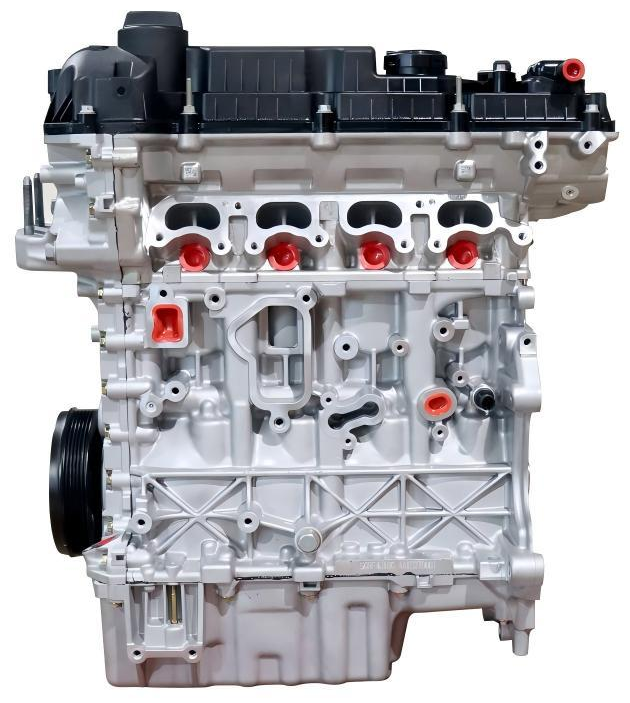
At its core, the SQRF4J16C features an all-aluminum alloy construction for both its cylinder block and cylinder head, contributing to reduced overall engine weight and improved thermal management. It employs an advanced gasoline direct injection (GDI) system, which precisely atomizes fuel directly into the combustion chambers, optimizing combustion efficiency and reducing emissions. A low-inertia turbocharger, often a twin-scroll design, enhances responsiveness and minimizes turbo lag across the RPM range. Dual Variable Valve Timing (DVVT) technology is integrated to continuously adjust intake and exhaust valve timing, ensuring optimal volumetric efficiency and torque delivery at various engine speeds and loads. Further engineering refinements include low-friction piston rings and roller rocker arms, designed to minimize parasitic losses and enhance fuel economy.
The Chery SQRF4J16C engine has been widely deployed across several of the manufacturer’s key vehicle platforms. Primary applications include the Chery Tiggo 7 Pro and Tiggo 8 Pro, where it provides robust performance for compact and mid-size SUVs. It is also found in the sportier Chery Omoda 5 (C5) and the executive Chery Arrizo 8 sedan. Furthermore, sister brands such as Jetour utilize this engine in models like the X70 Plus and X90 Plus, leveraging its power and efficiency characteristics. This engine variant typically appears in models produced from approximately 2020 onwards, often designated as “Pro” or “Plus” trims, signaling its premium positioning within their respective lineups.
Technical Specifications
| Specification | Value |
|---|---|
| Displacement (cc) | 1598 |
| Max Power (hp (kW) @ RPM) | 197 hp (145 kW) @ 5500 RPM |
| Max Torque (Nm (kg*m) @ RPM) | 290 Nm (29.6 kg*m) @ 2000-4000 RPM |
| Fuel Type | Gasoline (RON 92 minimum) |
| Fuel Consumption (l/100 km) | Refer to manufacturer’s technical documentation |
| Engine Type | Inline 4-cylinder, Turbocharged Gasoline Direct Injection (TGDI) |
| Compression Ratio | 9.8:1 |
| Cylinder Bore (mm) | Refer to manufacturer’s technical documentation |
| Piston Stroke (mm) | Refer to manufacturer’s technical documentation |
| Valvetrain | DOHC (Double Overhead Camshaft) with DVVT |
| Valves per Cylinder | 4 |
| Additional Info | Intercooled Turbocharger, Aluminum Alloy Block and Cylinder Head |
Common Problems & Reliability
- Carbon Buildup on Intake Valves: As with many direct injection engines, the SQRF4J16C is susceptible to carbon deposits on the intake valves over time. Since fuel is injected directly into the combustion chamber and does not wash over the intake valves, oil vapor from the PCV system can accumulate and bake onto the valve stems and ports. This can lead to reduced airflow, decreased performance, and potential misfires if not addressed. Periodic professional intake system cleaning (e.g., walnut blasting) may be required.
- Turbocharger Longevity: The turbocharger, while robust, is a high-stress component. Issues can arise from improper shutdown procedures (not allowing the turbo to cool down after aggressive driving) or extended oil change intervals. Potential failures include worn bearings, oil leaks, or wastegate actuator malfunctions. Adherence to recommended oil change intervals with specified lubricants is crucial for turbocharger health.
- High-Pressure Fuel Pump (HPFP) Wear: The direct injection system relies on a high-pressure fuel pump, which can be prone to wear over high mileage. Symptoms of a failing HPFP include fuel pressure drops, hesitant acceleration, and potential engine fault codes. While not a universal issue, it is a known weak point in some GDI systems, and quality fuel is important for component longevity.
Under proper and diligent maintenance, the Chery SQRF4J16C engine is realistically expected to achieve a service life of 250,000 to 300,000 kilometers before requiring major overhaul, reflecting modern engine durability standards.
Maintenance Tips & Service Schedule
- Engine Oil & Filter: Regular oil changes are paramount. Use a fully synthetic engine oil conforming to manufacturer specifications (typically 5W-30 or 0W-20, API SN/SP or ACEA C3 equivalent). Intervals should be no longer than 10,000 km or 12 months for normal driving conditions. For severe driving (frequent short trips, heavy traffic, extreme temperatures), consider reducing the interval to 5,000-7,500 km.
- Spark Plugs: Inspect and replace iridium-tipped spark plugs every 30,000 to 40,000 km. Using only OEM-specified or equivalent high-quality spark plugs is essential for optimal combustion and to prevent misfires, especially in turbocharged applications.
- Air Filter: Inspect the engine air filter every 15,000 km and replace as needed, or every 30,000 km. A clean air filter ensures proper engine breathing and fuel efficiency.
- Timing Chain: The SQRF4J16C utilizes a timing chain designed for the engine’s lifespan. However, it is advisable to have the timing chain, tensioners, and guides inspected by a qualified technician at approximately 150,000 km to check for any signs of wear or stretch that could lead to reliability issues.
- Coolant System: Flush and refill the engine coolant every 60,000 to 80,000 km or every 4-5 years, using the manufacturer-specified long-life coolant type to prevent corrosion and maintain optimal engine operating temperature.
- Fuel System Cleaning: Periodically, consider using a high-quality fuel system cleaner specifically designed for direct injection engines to help mitigate carbon buildup on intake valves and keep fuel injectors clean.
Conclusion
The Chery SQRF4J16C engine stands as a competitive and modern powertrain, offering a compelling blend of power, refinement, and fuel efficiency. Its advanced design, including GDI, turbocharging, and DVVT, positions it favorably against contemporary rivals. For a used vehicle buyer, this engine generally represents a safe and reliable choice, provided that its service history reflects consistent adherence to the manufacturer’s maintenance schedule. Prospective owners should prioritize vehicles with clear service records, particularly concerning regular oil changes and spark plug replacements, to ensure the long-term reliability of its turbocharged and direct-injected components. With diligent care, the SQRF4J16C is capable of providing many years of dependable performance.