What Does Code P0078 Mean?
DTC P0078 signifies a detected electrical circuit malfunction within the exhaust valve control solenoid for Bank 1 of the engine. The Engine Control Module (ECM), also commonly referred to as the Powertrain Control Module (PCM), continuously monitors the electrical characteristics of the Variable Valve Timing (VVT) or Variable Valve Lift (VVL) exhaust solenoid circuit. This includes parameters such as voltage, current draw, and resistance. When the ECM detects an anomaly in this circuit—such as an open circuit (no continuity), a short to ground, a short to voltage, or resistance values outside of the manufacturer’s specified range—it interprets this as a fault preventing proper solenoid operation. Consequently, it illuminates the Malfunction Indicator Lamp (MIL) and stores code P0078 in its memory. Bank 1 refers to the engine side that contains cylinder #1. This circuit fault directly impacts the ECM’s ability to command the exhaust valve timing or lift adjustments, compromising engine efficiency, performance, and emissions control.
Common Symptoms
- Illuminated Malfunction Indicator Lamp (MIL): The primary and most common symptom is the activation of the Check Engine Light.
- Reduced Engine Performance: Drivers may experience a noticeable decrease in engine power, sluggish acceleration, or a general lack of responsiveness due to incorrect valve timing.
- Rough Idling: The engine may exhibit an unstable or rough idle, sometimes accompanied by stalling, especially when the VVT system is expected to adjust timing at low RPMs.
- Decreased Fuel Economy: Inefficient combustion caused by improper valve overlap or lift can lead to higher fuel consumption.
- Increased Exhaust Emissions: Incorrect valve timing can prevent the catalytic converter from operating efficiently, potentially leading to increased tailpipe emissions.
- Engine Hesitation or Misfires: While less common for a circuit fault specifically, prolonged operation with compromised valve timing can lead to intermittent misfires or hesitation during acceleration.
What Causes the Code P0078?
- Faulty Exhaust Valve Control Solenoid (VVT/VVL Solenoid): The most common cause is an internal electrical failure within the solenoid itself, leading to an open circuit, short circuit, or incorrect resistance.
- Damaged or Corroded Wiring Harness: Breaks, chafing, or corrosion in the electrical wires connecting the solenoid to the ECM can result in an open circuit, or shorts to ground/voltage.
- Corroded or Loose Electrical Connector: Poor contact or corrosion at the solenoid connector or the ECM connector can disrupt the circuit integrity.
- ECM/PCM Failure: While less frequent, an internal fault within the Engine Control Module that affects its ability to properly monitor or control the solenoid circuit can trigger this code.
- Contaminated Engine Oil (indirectly): Although P0078 is a circuit fault, severe oil contamination or extremely low oil levels can mechanically stress the solenoid, potentially leading to internal electrical failure. However, P0078 specifically points to the electrical circuit.
How to Diagnose and Troubleshoot
A systematic approach is critical for accurately diagnosing P0078:
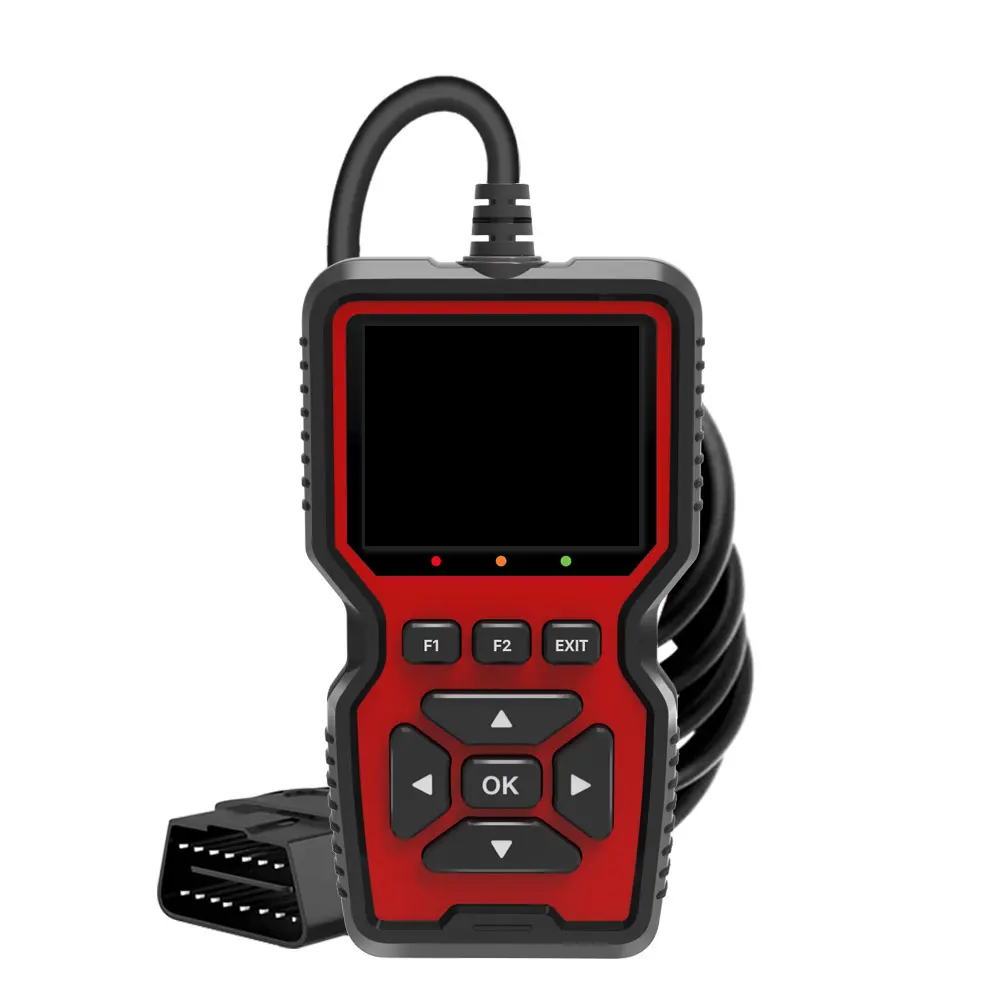
- Retrieve and Document Freeze Frame Data: Use an OBD-II scanner to read the P0078 code and any associated pending codes. Crucially, capture and analyze the freeze frame data, which provides a snapshot of engine conditions (RPM, engine load, temperature, etc.) at the moment the code was set. This information can be invaluable for replicating the fault.
- Visual Inspection of the Exhaust Valve Solenoid and Wiring: Locate the exhaust valve control solenoid on Bank 1. Visually inspect the solenoid and its electrical connector for any signs of damage, corrosion, oil contamination, or loose connections. Trace the wiring harness back as far as possible, looking for frayed wires, signs of rodent damage, or areas where the harness might be chafing against engine components.
- Electrical System Checks with a Digital Multimeter (DMM):
- Solenoid Resistance Test: Disconnect the electrical connector from the exhaust valve control solenoid. Using a DMM set to ohms, measure the resistance across the two electrical terminals on the solenoid itself. Compare this reading to the manufacturer’s specifications (typically found in a service manual, often ranging from 6 to 15 ohms). An “OL” (open line) reading indicates an open circuit, and a reading significantly outside the specified range points to an internal solenoid fault.
- Voltage Supply Test: With the ignition in the “ON” position (engine off), reconnect the DMM, set to DC volts, to the solenoid’s wiring harness connector. Probe the power supply wire (refer to a wiring diagram for pin identification) to verify that the solenoid is receiving proper voltage (typically battery voltage or a switched 5V/12V signal, depending on the system design). Also, verify a solid ground connection.
- Continuity and Short Circuit Tests: With the ignition OFF and the solenoid and ECM connectors disconnected, use the DMM to perform continuity checks on both wires from the solenoid connector to the ECM connector. Look for open circuits. Then, check each wire for shorts to ground and shorts to battery voltage by probing each wire and simultaneously checking against a known good ground and battery positive terminal.
- Engine Oil Condition Check: While P0078 is an electrical circuit code, VVT/VVL solenoids rely on clean engine oil for hydraulic actuation. Check the engine oil level and condition. Extremely low or dirty oil can contribute to solenoid operational issues, though a direct electrical fault is indicated by P0078.
- Solenoid Actuation Test (if possible): Some advanced diagnostic scanners or specialized test tools can command the VVT/VVL solenoids ON/OFF. If available, perform this test and listen for an audible click from the solenoid. This verifies mechanical function, but does not confirm electrical circuit integrity under all operating conditions.
Recommended Repairs and Solutions
Based on the diagnostic findings, the following repairs and solutions are commonly effective for P0078:
- Replace the Exhaust Valve Control Solenoid: If the DMM resistance test indicated an internal fault with the solenoid, replacement is the most direct and frequent solution. Always use a high-quality OEM or reputable aftermarket solenoid to ensure proper operation and longevity. Be mindful of any specific sealing procedures or torque specifications during installation.
- Repair or Replace Wiring Harness: If the visual inspection or electrical continuity tests identified damaged or corroded wiring in the harness leading to the solenoid, carefully repair the affected sections using appropriate automotive-grade wiring, connectors, and heat-shrink tubing. For extensive damage, replacing the entire sub-harness may be necessary. Ensure all connections are secure and weather-sealed.
- Clean Electrical Connectors: If corrosion was found at the solenoid or ECM connectors, carefully clean the terminals using a specialized electrical contact cleaner and a small brush. Once clean, apply a thin layer of dielectric grease to prevent future corrosion and ensure a robust electrical connection.
- Engine Oil Service: If the engine oil was found to be low or excessively dirty, perform an oil and filter change with the manufacturer-recommended oil type and viscosity. While not a direct fix for an electrical circuit fault, maintaining clean oil is crucial for the overall health of VVT/VVL systems.
- ECM/PCM Replacement (Rare): Only consider replacing the ECM/PCM as a last resort, after thoroughly testing and confirming that the solenoid, all associated wiring, and connectors are unequivocally fault-free. ECM replacement often requires reprogramming and initialization by a dealership or a specialized repair facility.
After any repair, clear the DTCs with an OBD-II scanner and perform a drive cycle under conditions similar to those recorded in the freeze frame data to confirm the repair has resolved the issue and the code does not return.