What Does Code P0086 Mean?
The diagnostic trouble code P0086 signifies an electrical fault within the control circuit of the exhaust valve control solenoid on Bank 2, specifically indicating a "Circuit High" condition. This code is generated by the Powertrain Control Module (PCM), also known as the Engine Control Module (ECM), when it detects an abnormally high voltage reading in the electrical circuit designated for the exhaust valve control solenoid for cylinder Bank 2. Bank 2 refers to the cylinder bank that does not contain cylinder number one (e.g., cylinders 2, 4, 6 on a V6 engine). The exhaust valve control solenoid is a critical component of the engine’s Variable Valve Timing (VVT) or Variable Valve Lift (VVL) system, responsible for precisely adjusting the timing or lift of the exhaust valves to optimize engine performance, fuel efficiency, and emissions across various operating conditions. A "Circuit High" condition typically implies an open circuit, a short to a voltage source (e.g., 12V), or excessive resistance within the solenoid itself or its wiring, causing the PCM to receive a voltage signal that exceeds its programmed upper operational threshold for this circuit. This prevents the PCM from effectively controlling the exhaust valve timing/lift on Bank 2, leading to suboptimal engine operation.
Common Symptoms
- Malfunction Indicator Lamp (MIL) illumination: The "Check Engine" light will be illuminated on the dashboard.
- Reduced engine performance: Noticeable loss of power, poor acceleration, and overall sluggish engine response.
- Rough idle or engine stalling: Incorrect exhaust valve timing can disrupt cylinder scavenging and filling, leading to an unstable idle or even stalling.
- Increased fuel consumption: The engine’s inability to optimize exhaust valve timing can lead to less efficient combustion, resulting in higher fuel usage.
- Engine knocking or pinging: In severe cases, improper exhaust scavenging can lead to residual exhaust gases in the cylinder, causing pre-ignition or detonation.
- Failed emissions test: Suboptimal combustion and increased emissions due to incorrect valve timing will likely result in a failed emissions inspection.
What Causes the Code P0086?
- Faulty Exhaust Valve Control Solenoid (Bank 2): The solenoid itself may have an internal electrical fault, such as an open circuit or excessively high internal resistance, causing the PCM to detect a "Circuit High" condition.
- Open circuit in the wiring harness: A break or discontinuity in the power supply or ground wire leading to the Bank 2 exhaust valve control solenoid can lead to a high voltage reading at the PCM.
- Short to voltage in the wiring harness: If the solenoid’s control or feedback wire accidentally contacts a positive voltage source (e.g., a 12V power wire) due to chafing or damage, the PCM will register a "Circuit High" condition.
- Corroded or loose electrical connectors: Degraded or poorly seated electrical connections at the solenoid or the PCM can create high resistance in the circuit, mimicking an open circuit or causing voltage anomalies.
- Faulty Powertrain Control Module (PCM/ECM): While less common, an internal failure within the PCM’s driver circuit for the Bank 2 exhaust valve control solenoid can incorrectly report a high voltage condition.
How to Diagnose and Troubleshoot
A systematic diagnostic approach is crucial for accurately resolving P0086:
- Visual Inspection:
- Begin by visually inspecting the exhaust valve control solenoid on Bank 2 and its associated wiring harness. Look for any signs of physical damage, such as chafing, cuts, or melting in the wires.
- Carefully examine the electrical connectors at the solenoid and at the PCM for corrosion, bent pins, or loose connections. Ensure the connectors are securely seated.
- Verify that the solenoid is properly mounted and free from obvious external damage or oil leaks.
- OBD-II Scanner Data Analysis:
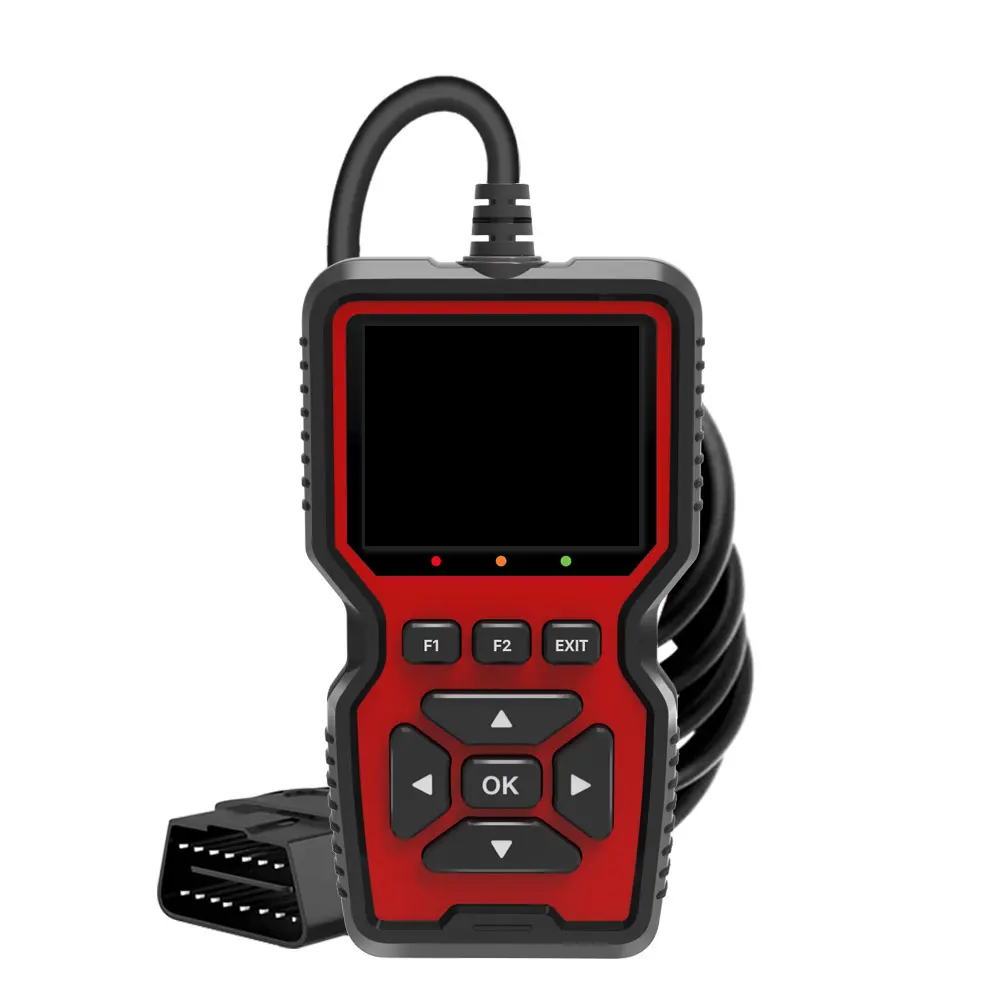
- Connect a professional-grade OBD-II diagnostic scanner to the vehicle’s diagnostic port.
- Retrieve all stored DTCs and any associated freeze frame data. Note if any other VVT-related codes or misfire codes are present, as they might provide additional context.
- Access live data parameters related to the "Exhaust VVT Solenoid (Bank 2)." Monitor commanded versus actual values for the solenoid’s position or duty cycle, and observe the voltage feedback from its circuit. An abnormally high or static voltage reading here would corroborate the P0086 code.
- Digital Multimeter (DMM) Testing:
- Solenoid Resistance Test: Disconnect the electrical connector from the exhaust valve control solenoid on Bank 2. Using a DMM set to Ohms, measure the resistance across the two electrical terminals of the solenoid itself. Compare this reading to the manufacturer’s specifications (typically 6-15 Ohms for most VVT solenoids). An "OL" (open line) reading or a significantly higher-than-specified resistance indicates an internal fault within the solenoid, requiring replacement.
- Voltage Supply Test: With the ignition ON (engine OFF), test for proper voltage supply at the solenoid’s harness connector. Identify the power supply wire (often 12V from a fuse or directly from the PCM) and the control/ground wire. Check for battery voltage on the power supply wire. The "Circuit High" condition suggests an issue on the control side or an open ground.
- Circuit Continuity and Short to Voltage Tests (Harness): Disconnect the battery and both ends of the solenoid’s harness (at the solenoid and the PCM). Using a DMM set to Ohms, check for continuity between the corresponding pins of the solenoid harness connector and the PCM harness connector. An open circuit (OL) on either wire leading to the solenoid or PCM can cause the "Circuit High" condition. Also, check for continuity between each wire in the solenoid circuit and ground, and between each wire and battery positive (if applicable, after ensuring the battery is disconnected) to rule out shorts to ground or shorts to voltage.
Recommended Repairs and Solutions
Based on the diagnostic findings, apply the following repairs:
- Replace the Exhaust Valve Control Solenoid (Bank 2): This is the most common resolution if the DMM resistance test confirms an internal fault within the solenoid (e.g., open circuit or out-of-spec resistance). Ensure to use an Original Equipment Manufacturer (OEM) or a high-quality aftermarket replacement part.
- Repair or Replace Damaged Wiring Harness: If visual inspection or continuity tests reveal an open circuit, a short to voltage, or severe chafing/damage in the wiring harness, repair the affected sections using appropriate automotive wiring repair techniques (e.g., soldering and heat-shrink tubing). For extensive damage, replacing the entire sub-harness may be necessary.
- Clean and Secure Electrical Connectors: If corrosion or poor connections are identified, clean the electrical terminals thoroughly using specialized electrical contact cleaner and a small brush. Apply dielectric grease to the terminals before reassembling the connectors to prevent future corrosion and ensure a robust connection.
- PCM/ECM Replacement (Rare): Only consider PCM replacement as a final measure after all other potential causes have been thoroughly investigated and ruled out. If a PCM internal driver fault is definitively identified, the module will need to be replaced and often requires specialized programming or flashing to the vehicle.
- Post-Repair Verification: After completing any repairs, clear the DTCs using an OBD-II scanner. Perform a comprehensive test drive under various engine loads and speeds to allow the PCM to run its diagnostic monitors. Monitor live data for the Bank 2 exhaust valve control solenoid to ensure it is operating within specifications and that the P0086 code does not return.