What Does Code P0101 Mean?
DTC P0101, which translates to “Mass or Volume Air Flow Circuit Range/Performance Problem,” indicates that the Engine Control Module (ECM) or Powertrain Control Module (PCM) has detected an inconsistency in the signal received from the Mass Air Flow (MAF) sensor. The MAF sensor is a critical component responsible for measuring the precise amount of air entering the engine’s intake manifold. This measurement, typically expressed in grams per second (g/s) or Hertz (Hz), is fundamental for the ECM to accurately calculate the required fuel injector pulse width (fuel delivery) and ignition timing to maintain an optimal air-fuel ratio.
The ECM continuously monitors the MAF sensor’s output against a set of predefined parameters and algorithms stored in its memory. These algorithms correlate expected MAF values with various engine operating conditions such as engine RPM, throttle position, barometric pressure, and engine load. If the MAF sensor’s signal falls outside of the permissible range or exhibits erratic behavior for a calibrated period under specific operating conditions—meaning it’s either reporting too much air or too little air relative to what the ECM expects—the ECM will interpret this as a circuit range or performance fault and illuminate the Malfunction Indicator Lamp (MIL) while storing the P0101 code. This issue directly affects the engine management subsystem, leading to incorrect fuel trim adjustments and potentially impacting engine performance and emissions.
Common Symptoms
- Check Engine Light Illumination: The Malfunction Indicator Lamp (MIL) on the dashboard will be lit.
- Reduced Engine Performance: Noticeable lack of power, sluggish acceleration, or a general feeling of the engine being “bogged down.”
- Rough or Unstable Idling: The engine may idle unevenly, fluctuate in RPM, or even stall, especially when coming to a stop or after starting.
- Increased Fuel Consumption: An incorrect air-fuel mixture due to inaccurate MAF readings can lead to the engine running overly rich or lean, reducing fuel efficiency.
- Hesitation or Stalling: The engine may hesitate during acceleration or stall unexpectedly.
- Difficulty Starting: The engine might crank for an extended period or be challenging to start, particularly when cold.
- Black Smoke from Exhaust: Indicative of an excessively rich fuel mixture, where too much fuel is being injected relative to the metered air.
- Erratic Transmission Shifting: In some vehicles, transmission shift points are influenced by engine load data derived from the MAF sensor, leading to poor shift quality.
What Causes the Code P0101?
- Contaminated or Faulty MAF Sensor: The most common cause. Dirt, oil residue, or debris can accumulate on the delicate hot wire or film sensing element, insulating it and causing inaccurate readings. Internal electronic failure of the sensor itself.
- Vacuum Leaks: Any unmetered air entering the intake system downstream of the MAF sensor (e.g., cracked intake manifold gasket, loose vacuum hose, faulty PCV valve, worn throttle body gasket) will cause the ECM to command less fuel than actually needed, resulting in a lean condition.
- Intake Air Obstruction or Leak: A severely clogged air filter, a collapsed intake hose, or a significant leak in the air intake ducting upstream of the throttle body (but downstream of the MAF sensor) can disrupt or bypass metered airflow.
- Wiring and Connector Issues: Corroded, loose, damaged, or open/shorted wires in the MAF sensor’s electrical circuit (power, ground, or signal lines). A poor connection at the MAF sensor connector.
- Exhaust Leaks: Significant exhaust leaks located upstream of the primary oxygen sensors can introduce ambient air into the exhaust stream, skewing O2 sensor readings and indirectly influencing the ECM’s fuel trim calculations, which it then compares against expected MAF values.
- Aftermarket Air Intake Systems: Poorly designed or installed aftermarket air intake systems can alter the airflow characteristics over the MAF sensor, leading to turbulent or inaccurate readings.
- Engine Control Module (ECM/PCM) Failure: While rare, an internal fault within the ECM itself could cause it to misinterpret the MAF sensor signal or have erroneous calibration values.
How to Diagnose and Troubleshoot
Diagnosing P0101 requires a methodical approach, combining visual inspection, scan tool analysis, and electrical testing:
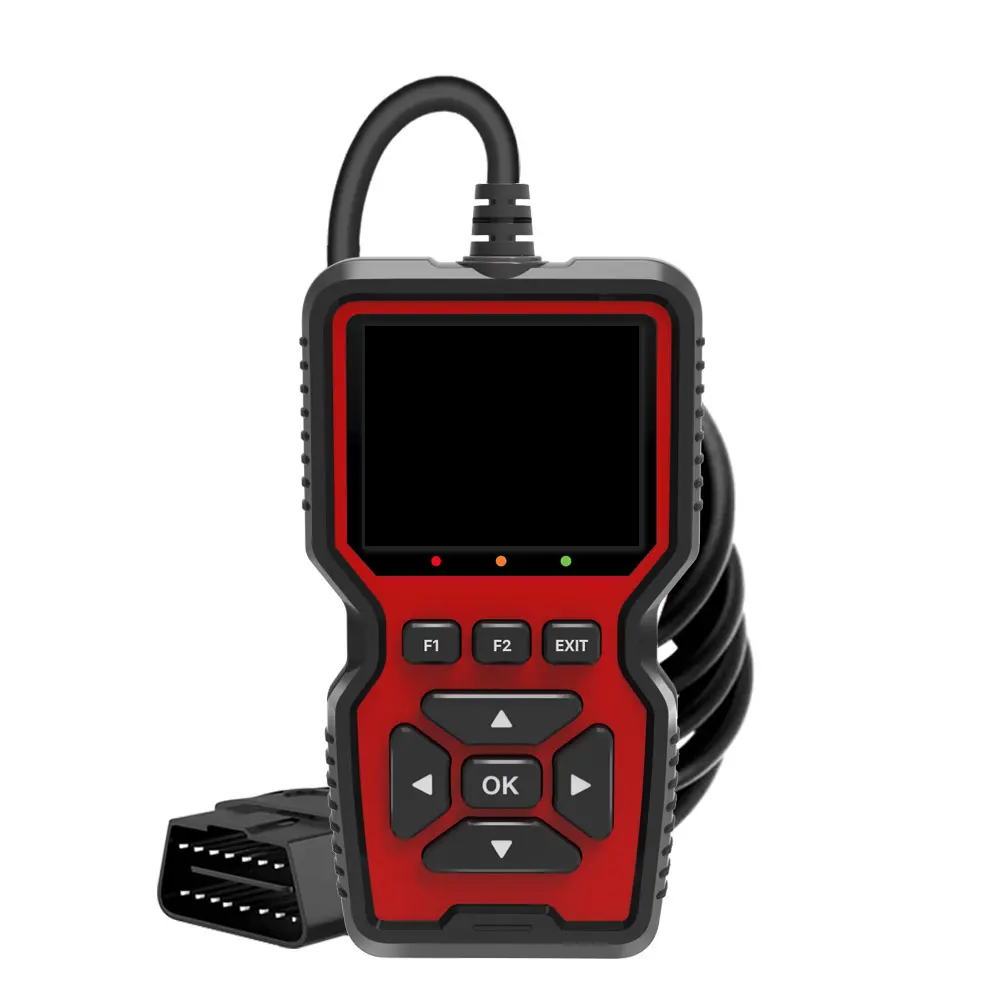
- Retrieve and Record DTCs and Freeze Frame Data: Connect a professional OBD-II scan tool. Record any present and pending DTCs. Pay close attention to the freeze frame data, as it captures the engine conditions (RPM, engine load, coolant temperature, fuel trim values) when the P0101 code was set. This data provides crucial clues about when the fault occurs.
- Visual Inspection of Air Intake System:
- Inspect the MAF sensor wiring harness and connector for any signs of damage, fraying, corrosion, or loose terminals.
- Check the air filter for cleanliness and ensure it is properly seated in the airbox. A heavily restricted filter can reduce airflow.
- Examine the entire intake tract from the air filter box to the throttle body for cracks, loose clamps, disconnected hoses (including PCV hoses), or other potential vacuum leaks.
- Inspect for any visible exhaust leaks, especially upstream of the catalytic converter.
- Scan Tool Live Data Analysis:
- With the engine running, monitor the MAF sensor readings (g/s or Hz) in live data.
- At a hot idle, expect MAF readings to be approximately 2-5 g/s, varying slightly by engine displacement. Compare this to manufacturer specifications for your specific vehicle.
- Gradually increase engine RPM and observe if the MAF readings increase smoothly and proportionally. Erratic jumps or drops in readings indicate a problem.
- Monitor Short Term Fuel Trim (STFT) and Long Term Fuel Trim (LTFT). High positive fuel trims (+10% or more) suggest the ECM is adding fuel because it detects a lean condition (unmetered air or under-reporting MAF). High negative trims (-10% or more) indicate a rich condition (over-reporting MAF).
- Observe other relevant PIDs such as engine RPM, throttle position sensor (TPS) voltage/percentage, and O2 sensor readings for consistency.
- Digital Multimeter (DMM) Testing of MAF Sensor Circuit:
- With the ignition ON, engine OFF, consult the vehicle’s wiring diagram to identify the MAF sensor’s power, ground, and signal wires.
- Check for proper voltage supply (typically 12V or 5V, depending on the sensor type) at the power terminal.
- Verify a good ground connection at the ground terminal (0 ohms resistance to chassis ground).
- Back-probe the MAF signal wire with the engine running. Many MAF sensors output a variable voltage (0-5V) or a variable frequency signal. Compare your DMM readings to manufacturer specifications at idle and various RPMs. A DMM with a frequency function is essential for frequency-based MAF sensors.
- Perform a “wiggle test” on the MAF sensor connector and harness while monitoring live data or DMM readings. Look for intermittent changes that could indicate a loose connection or damaged wire.
- Smoke Machine Test for Vacuum Leaks: If vacuum leaks are suspected, use a smoke machine to introduce smoke into the intake manifold or vacuum system. Smoke escaping from any part of the intake system confirms a leak.
Recommended Repairs and Solutions
- Clean or Replace MAF Sensor:
- If visual inspection or scan tool data suggests contamination, try cleaning the MAF sensor using only a specialized MAF sensor cleaner. Spray directly onto the hot wire/film elements. Never use carburetor cleaner, brake cleaner, or any other harsh solvents, as they can permanently damage the sensor.
- If cleaning does not resolve the issue, or if the sensor’s readings remain erratic/inaccurate, replace the MAF sensor. It is highly recommended to use an Original Equipment Manufacturer (OEM) or high-quality aftermarket sensor, as some cheaper aftermarket units can have calibration discrepancies that lead to recurring P0101 codes.
- Repair Vacuum Leaks:
- Locate and repair all vacuum leaks identified during the diagnostic process. This may involve replacing cracked or brittle vacuum hoses, intake manifold gaskets, PCV valves, or sealing any gaps in the intake ducting.
- Clear Intake Obstructions:
- Replace a clogged or dirty air filter. Ensure all air intake components are properly seated, sealed, and free of debris.
- Repair Wiring and Connector Issues:
- Address any detected open circuits, shorts, or corrosion in the MAF sensor wiring harness or connector. Repair or replace damaged sections of wiring as needed, ensuring secure connections.
- ECM/PCM Software Update (if applicable):
- In rare instances, and typically after ruling out all other causes, a dealer-level software update for the ECM/PCM might be available to address known calibration issues related to MAF sensor interpretation.
- Important Mechanics’ Tips:
- After performing any repairs, always clear the DTCs using your scan tool. Then, perform a comprehensive drive cycle under various load conditions to allow the ECM to re-learn and confirm that the issue is resolved and all readiness monitors reset.
- Be wary of heavily oiled aftermarket “performance” air filters, as the excess oil can migrate onto the MAF sensor elements and cause contamination, leading to P0101.
- When replacing the MAF sensor, it’s good practice to simultaneously replace a dirty air filter to prevent immediate recontamination of the new sensor.
- Always ensure all clamps on the intake system are tight and properly secured to prevent unmetered air entry.