What Does Code P0199 Mean?
DTC P0199 indicates an intermittent fault within the Engine Oil Temperature (EOT) sensor circuit. The Powertrain Control Module (PCM), also referred to as the Engine Control Module (ECM) on some platforms, continuously monitors the voltage signal from the EOT sensor. This sensor is typically a Negative Temperature Coefficient (NTC) thermistor, meaning its electrical resistance inversely correlates with temperature: as oil temperature rises, resistance decreases, leading to a change in the voltage signal back to the PCM. An “intermittent” condition signifies that the EOT sensor’s signal sporadically deviates from its expected operating range or exhibits erratic fluctuations that are inconsistent with normal temperature changes, rather than a continuous open or short circuit. The PCM detects P0199 when it observes these temporary, illogical signal values or transient circuit disruptions that fall outside calibrated thresholds, but do not persist long enough to set a hard fault code (e.g., P0197 for low input or P0198 for high input). The EOT signal is crucial for various engine management functions, including fuel mixture calculations, ignition timing adjustments, cooling fan operation strategies, and in some applications, transmission shift logic, particularly where oil temperature directly impacts lubrication and hydraulic performance.
Common Symptoms
- Check Engine Light (MIL) illumination on the dashboard.
- Erratic or inaccurate readings from the engine oil temperature gauge, if equipped.
- Noticeable decrease in fuel economy.
- Variations in engine performance, especially during engine warm-up phases or under conditions of significant engine load.
- Delayed or inconsistent operation of the cooling fans.
- In some vehicles, particularly those where EOT influences transmission control, incorrect or harsh transmission shift points.
- Intermittent rough idle or engine stalling, often manifesting during temperature transitions or after extended operation.
What Causes the Code P0199?
- Intermittent Electrical Connection Issues: This is a primary suspect. It includes loose or corroded terminals within the EOT sensor connector, or within the corresponding wiring harness connectors. Frayed or damaged wires that intermittently lose continuity or short out due to engine vibration, movement, or environmental factors.
- Defective Engine Oil Temperature Sensor: The sensor itself may have an internal intermittent fault. This could stem from a deteriorating thermistor element, a cracked internal solder joint, or a faulty component that causes the sensor to send erratic or spurious signals to the PCM under specific conditions.
- Damaged Wiring Harness: The wiring leading to and from the EOT sensor can become chafed, pinched, stretched, or exposed to excessive heat, leading to an intermittent open circuit, short circuit, or high resistance. Such damage often occurs where the harness comes into contact with sharp engine components, exhaust, or moving parts.
- PCM Internal Fault (Rare): While significantly less common, an intermittent internal fault within the PCM’s EOT sensor input circuit or its internal reference voltage supply could theoretically cause this code to set. This is typically considered only after all external circuit and sensor possibilities have been thoroughly exhausted.
How to Diagnose and Troubleshoot
Diagnosis of an intermittent fault requires methodical inspection and testing, often attempting to replicate the conditions under which the fault occurred.
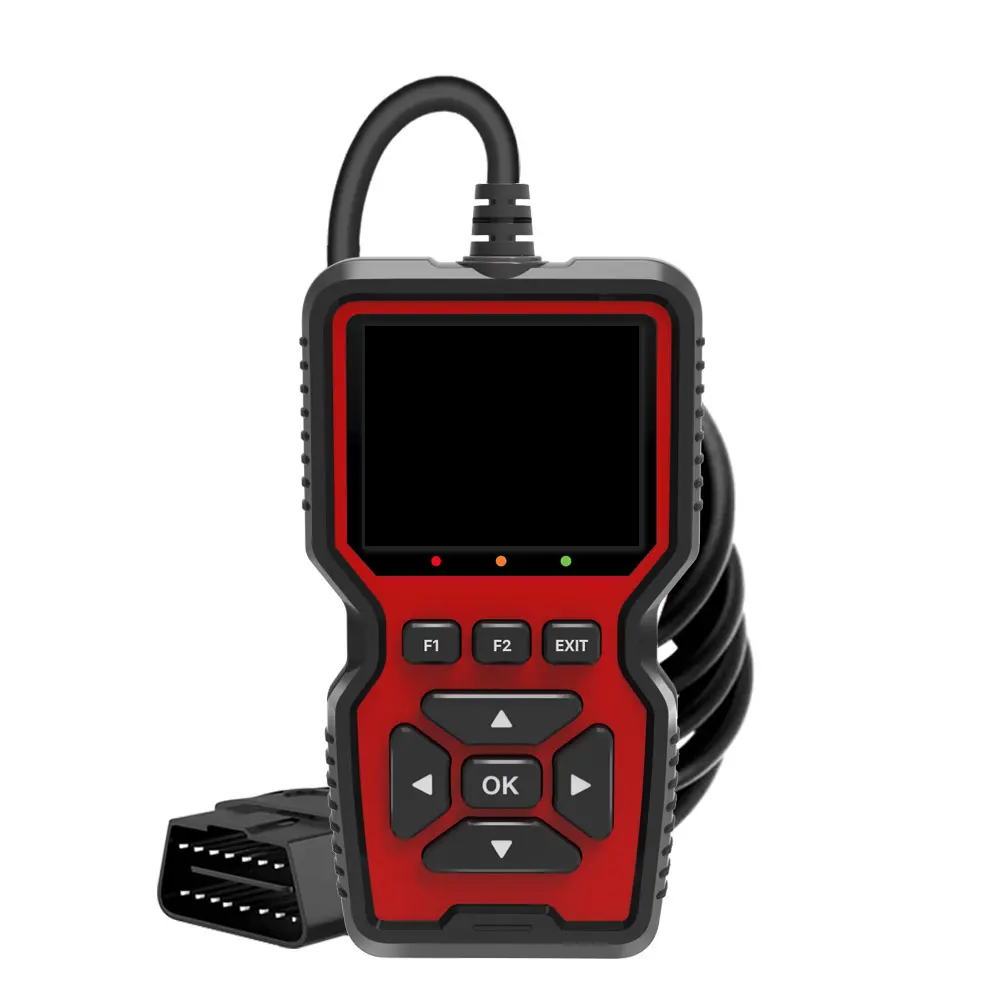
- Retrieve DTCs and Freeze Frame Data: Connect an OBD-II diagnostic scanner to confirm P0199 is the active code. Critically, analyze the freeze frame data. This snapshot of engine operating parameters (engine speed, load, coolant temperature, oil temperature, vehicle speed, etc.) at the moment the code was set can provide invaluable clues about the specific conditions that trigger the intermittency.
- Thorough Visual Inspection:
- Locate the Engine Oil Temperature sensor. Its position varies by vehicle but is typically threaded into an oil galley in the engine block, oil pan, or oil filter housing.
- Inspect the EOT sensor’s electrical connector for any signs of corrosion, bent pins, loose terminals, or foreign material. Gently tug on individual wires at the connector to check for loose crimps or broken internal strands.
- Trace the entire wiring harness from the EOT sensor back to the PCM. Look meticulously for any signs of chafing, pinching, heat damage, or abrasion. Pay particular attention to areas where the harness bends sharply, passes near hot exhaust components, or comes into contact with vibrating engine parts.
- Electrical Circuit Integrity Testing (using a Digital Multimeter – DMM): With the ignition OFF and the sensor disconnected:
- EOT Sensor Resistance Test: Measure the resistance across the two terminals of the EOT sensor itself. Compare this value to the manufacturer’s specified resistance-to-temperature chart (found in OEM service manuals). While this primarily checks for hard faults, an intermittent sensor might exhibit erratic resistance changes when gently heated (with a heat gun, cautiously) or cooled (with a can of compressed air, inverted).
- Reference Voltage Verification: With the ignition ON (engine OFF), backprobe the EOT sensor harness connector. Identify the 5-volt reference signal wire from the PCM. Verify a stable 5V +/- 0.5V. Any fluctuation here could indicate a PCM issue or wiring fault.
- Ground Circuit Verification: Backprobe the ground wire at the EOT sensor harness connector. Confirm a solid ground connection (typically <0.1V when probed to battery negative). Check for continuity between this ground wire and a known good chassis ground point using the DMM's resistance function (<5 ohms).
- Signal Wire Integrity Test (Wiggle Test): Reconnect the EOT sensor. Backprobe the signal wire at the sensor connector (or preferably, at the PCM connector for the EOT input, if accessible). Monitor the voltage on a DMM or oscilloscope while gently wiggling, bending, and shaking the EOT sensor, its connector, and the entire wiring harness. Watch for any sudden drops, spikes, or erratic fluctuations in the voltage signal. This is often the most effective way to pinpoint an intermittent wiring fault.
- Live Data Monitoring with OBD-II Scanner: Connect the scanner and monitor the EOT sensor’s live data parameter. Observe the readings under various engine operating conditions, attempting to replicate the conditions noted in the freeze frame data. Look for erratic, non-linear, or improbable temperature readings. Continue to perform the ‘wiggle test’ on the sensor and harness while monitoring live data to try and induce the fault in real-time.
Recommended Repairs and Solutions
Once the root cause of the intermittent P0199 code is identified through comprehensive diagnosis, the following repairs are typically performed:
- Repair or Replace Damaged Wiring and Connectors: If the diagnosis points to a fault in the wiring harness or sensor connector, this is the most common repair. Damaged sections of wire should be repaired using proper automotive wiring techniques, including soldering and heat-shrink tubing for environmental sealing. Corroded or physically damaged connectors should be replaced with OEM-quality pigtail harnesses to ensure a secure and reliable electrical connection. Ensure any repaired wiring is routed away from hot or moving components.
- Replace the Engine Oil Temperature Sensor: If electrical testing and live data monitoring strongly suggest an internal intermittent fault within the EOT sensor itself, replacing the sensor is the appropriate solution. Always use an OEM-quality replacement part. Ensure that any necessary sealing washers or O-rings are correctly installed and that the sensor is torqued to the manufacturer’s specifications to prevent oil leaks.
- Clear DTCs and Perform a Validation Drive Cycle: After any repair, clear the P0199 code using the OBD-II scanner. Then, perform an extended road test that encompasses various engine operating conditions, particularly those identified in the freeze frame data. Monitor live data during the test drive to confirm the EOT sensor signal is stable and accurate. The goal is to complete a full drive cycle and verify that the code does not return, and the system monitors pass.
- PCM Replacement (Extremely Rare): Only consider PCM replacement as an absolute last resort, after all other potential causes (sensor, wiring, connectors) have been exhaustively tested and conclusively ruled out. PCM replacement is expensive and often requires specialized programming or relearn procedures specific to the vehicle.