What Does Code P0254 Mean?
DTC P0254 indicates that the Engine Control Module (ECM), also commonly referred to as the Powertrain Control Module (PCM), has detected an electrical anomaly in the ‘A’ circuit of the Injection Pump Fuel Metering Control. Specifically, the “High” designation signifies that the ECM is observing a voltage, current, or duty cycle value for this circuit that is unexpectedly elevated, exceeding the manufacturer’s specified parameters. This circuit controls the Fuel Metering Control Valve (FMCV), also known as the Fuel Quantity Solenoid or Metering Unit, which regulates the precise amount of fuel entering the high-pressure pumping elements of the injection pump or being directed to the common rail. The ‘A’ typically refers to the primary or the only metering control circuit present. The ECM actively monitors the FMCV’s operational parameters, such as voltage feedback, current draw, or the commanded pulse-width modulation (PWM) signal, to ensure accurate fuel delivery for optimal combustion and emissions control. A ‘High’ condition usually suggests a short to voltage within the circuit, an open circuit in the ground path, or an internal fault within the FMCV itself causing excessive resistance or an inability to properly modulate. This directly impacts the ECM’s ability to precisely control fuel quantity, leading to potential engine performance issues.
Common Symptoms
- Malfunction Indicator Lamp (MIL) illumination: The “Check Engine” light will be on.
- Reduced engine performance: Noticeable lack of power, poor acceleration, or hesitation during driving.
- Rough idle or stalling: Inconsistent fuel delivery can cause the engine to run unevenly or shut off unexpectedly.
- Hard starting or no-start condition: If the fuel metering is severely compromised, the engine may crank extensively without starting, or fail to start altogether.
- Increased exhaust smoke: Depending on the over-fueling condition, excessive black or white smoke may be observed from the exhaust.
- Reduced fuel economy: Inaccurate fuel metering can lead to inefficient fuel consumption.
- Engine entering ‘limp-home’ mode: The ECM may limit engine power or RPM to prevent further damage.
What Causes the Code P0254?
- Faulty Fuel Metering Control Valve (FMCV): The most common cause is an internal electrical failure within the solenoid, such as a short to power, an open circuit in the winding, or a stuck mechanical plunger.
- Wiring harness issues:
- Short to voltage within the FMCV control circuit (e.g., chafed wire contacting a 12V power source).
- Open circuit or high resistance in the ground wire returning from the FMCV to the ECM.
- Corroded, loose, or damaged electrical connectors for the FMCV or injection pump harness.
- Faulty Engine Control Module (ECM/PCM): Although less common, an internal fault within the ECM’s driver circuit for the FMCV can cause it to supply excessive voltage or fail to properly process feedback signals, triggering the ‘High’ condition.
- Injection pump mechanical failure: While P0254 is primarily electrical, severe mechanical binding or malfunction within the injection pump’s metering piston or cam could place undue stress on the FMCV, leading to its electrical failure or the ECM misinterpreting its operation.
How to Diagnose and Troubleshoot
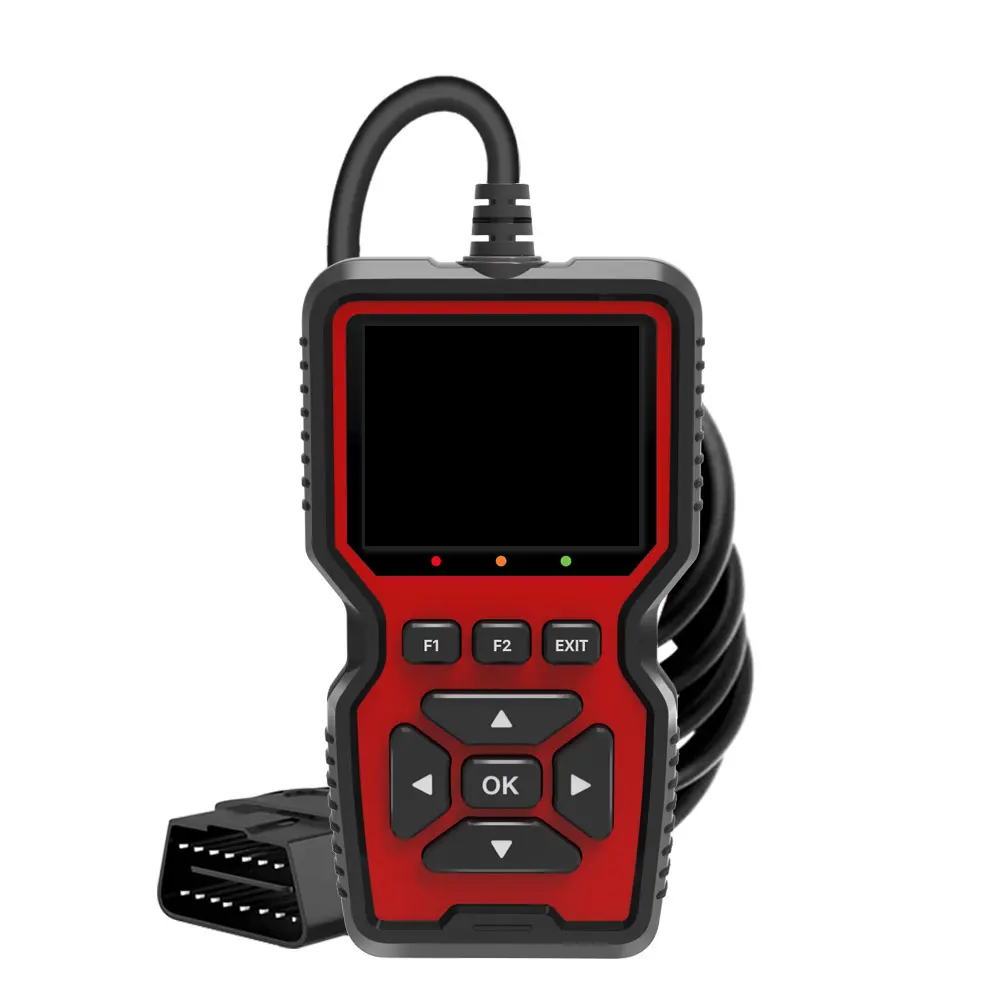
Diagnosis of P0254 requires a systematic approach, utilizing a digital multimeter (DMM), an OBD-II scan tool with live data capabilities, and thorough visual inspection.
- Verify the DTC and Freeze Frame Data: Connect an OBD-II scan tool and confirm P0254 is present. Record any associated freeze frame data, which provides crucial information on engine conditions (RPM, engine load, fuel pressure, etc.) when the code was set. This helps to replicate the conditions during diagnosis.
- Visual Inspection of Wiring and Connectors:
- Carefully inspect the entire wiring harness leading to the Fuel Metering Control Valve (FMCV) on the injection pump. Look for signs of chafing, cuts, or damage, especially where the harness passes near sharp edges or heat sources.
- Examine the electrical connector at the FMCV and the corresponding connector at the ECM for bent pins, corrosion, or loose connections. Clean any corrosion with appropriate electrical contact cleaner.
- Ensure the FMCV is securely mounted to the injection pump and there are no visible fuel leaks around the component.
- Electrical Testing of the Fuel Metering Control Valve (FMCV):
- Disconnect the FMCV electrical connector.
- Using a DMM, measure the resistance across the two terminals of the FMCV solenoid itself. Compare this reading to the manufacturer’s specifications (typically found in a service manual). An infinite resistance indicates an open circuit, while a resistance significantly lower than specified (near 0 ohms) indicates an internal short. Both conditions can lead to P0254.
- With the DMM, check for continuity between each FMCV terminal and a known good chassis ground. There should be no continuity, indicating the solenoid windings are isolated from ground.
- If possible with a bi-directional scan tool, perform an actuator test on the FMCV. Listen for an audible click from the solenoid, indicating it’s attempting to actuate. Monitor live data for any changes in fuel pressure or pump command.
- Electrical Testing of the Wiring Harness:
- With the FMCV connector disconnected and the ECM connector disconnected (if safe to do so per service manual), use a DMM to perform continuity checks on each wire from the FMCV connector back to the ECM connector. Verify continuity is present and within acceptable limits (low resistance).
- Check each wire of the FMCV circuit for a short to ground. With the DMM set to resistance, probe each wire and a known good chassis ground. There should be infinite resistance.
- Check each wire of the FMCV circuit for a short to voltage. With the key in the ON position (KOEO), use the DMM set to DC volts to probe each wire. There should be no voltage present unless specified by the manufacturer for a specific wire (e.g., a reference voltage). A continuous 12V on a control wire could indicate a short to power.
- Back-probe the FMCV connector while it’s connected and the engine is cranking or running (if possible). Using an oscilloscope is ideal to observe the PWM signal from the ECM. Look for a stable signal and proper duty cycle relative to engine demand. An excessively high or erratic voltage could indicate an ECM driver issue or a short to power.
- ECM/PCM Verification: If all wiring and FMCV tests prove conclusive and indicate no fault, the ECM/PCM itself may be suspect. This should be the last step, as ECM failures are rare and costly to replace.
Recommended Repairs and Solutions
Once the root cause of P0254 has been precisely identified through the diagnostic steps, the following repairs are typically recommended:
- Replace the Fuel Metering Control Valve (FMCV): If electrical testing confirms an internal fault within the FMCV (e.g., incorrect resistance, no actuation during tests), replacement is necessary. Always use an OEM or high-quality aftermarket part to ensure proper function and longevity. Ensure proper torque specifications are followed when installing the new valve.
- Repair or Replace Wiring Harness: If the visual inspection or electrical tests reveal damaged, chafed, or corroded wiring or connectors, the affected section of the harness should be repaired or replaced. Use appropriate automotive-grade wiring, connectors, and heat-shrink tubing for durable repairs. Ensure all connections are secure and weatherproof.
- ECM/PCM Replacement or Reprogramming: If all other components (FMCV, wiring) have been thoroughly tested and confirmed to be in good working order, and all diagnostic steps point to an internal ECM fault, then ECM replacement or reprogramming may be required. This is a complex repair that often requires specialized tools for programming and potentially immobilizer relearn procedures. This should be performed by a qualified technician.
Important Mechanics’ Tips:
- Always disconnect the vehicle’s battery before performing electrical repairs or working on fuel system components to prevent accidental shorts or injury.
- When working on high-pressure fuel systems, be aware of residual fuel pressure and take appropriate safety precautions, including wearing eye protection and gloves.
- After any repair, clear the DTCs with a scan tool and perform a test drive under various operating conditions to ensure the fault does not return. Monitor live data for the FMCV to confirm proper operation.
- Check for any related DTCs, as P0254 can sometimes be accompanied by other codes (e.g., fuel rail pressure sensor codes, P0087/P0088 for low/high fuel pressure) that may indicate a broader fuel system issue.
- Ensure the fuel system is bled of air after any component replacement, if applicable to the specific vehicle’s design, to prevent hard starting issues.