What Does Code P0256 Mean?
DTC P0256 signifies a detected malfunction within the Fuel Metering Control “B” circuit or component associated with the injection pump. This code specifically points to an issue with the mechanism responsible for precisely regulating the volume of fuel delivered to the high-pressure pumping elements of the fuel injection pump. In modern common rail diesel systems, this typically refers to a component such as the Fuel Quantity Actuator (FQA), Suction Control Valve (SCV), or Metering Unit (MU), which is usually a solenoid-operated valve integrated into or mounted directly on the high-pressure fuel pump. The Engine Control Module (ECM) or Powertrain Control Module (PCM) monitors the electrical circuit integrity (resistance, voltage, current draw) and the functional performance of this fuel metering control valve. When the ECM detects an electrical discrepancy—such as an open circuit, short circuit, excessive resistance, or an implausible signal—or if the commanded fuel metering does not result in the expected fuel pressure or flow characteristics (indicating a mechanical or hydraulic fault in the valve itself), it will set code P0256. The “B” designation typically refers to a specific circuit or component within the overall fuel metering system, often differentiating it from a primary control circuit (e.g., ‘A’) or identifying a secondary bank in more complex systems. The mention of “Cam/Rotor/Injector” in the brief description further emphasizes its connection to the mechanical and hydraulic precision within the high-pressure pump’s fuel delivery cycle.
Common Symptoms
- Illuminated Malfunction Indicator Lamp (MIL): The Check Engine Light will be active.
- Engine Performance Issues: Rough idle, hesitation, lack of power, poor acceleration, or misfires.
- Hard Start or No Start Condition: Due to insufficient or excessive fuel pressure during cranking.
- Stalling: The engine may stall unexpectedly, especially under load or during deceleration.
- Increased Exhaust Smoke: Particularly in diesel engines, indicating incorrect fuel-air mixture.
- Poor Fuel Economy: Inaccurate fuel metering can lead to inefficient combustion.
- Engine Entering Limp Mode: The ECM may reduce engine power to prevent further damage.
What Causes the Code P0256?
- Faulty Fuel Metering Control Valve/Actuator (FMCV/FMA): The solenoid coil may be electrically open, shorted, have excessive internal resistance, or the valve mechanism itself may be mechanically stuck open, closed, or operating intermittently due to wear or contamination.
- Wiring Harness or Connector Issues: Open circuits, short circuits, high resistance, or corrosion within the wiring harness or connectors leading to the fuel metering control valve. This includes damage from chafing, heat, or rodent activity.
- Contaminated Fuel System: Debris, rust particles, or water in the fuel can cause the delicate internal components of the metering valve to stick, preventing proper operation. A clogged fuel filter can also indirectly affect metering by altering fuel flow dynamics.
- Faulty High-Pressure Injection Pump: Internal mechanical wear or damage within the injection pump itself, affecting the cam, rotor, or other components that the metering valve interacts with, leading to incorrect fuel delivery despite proper valve function.
- ECM/PCM Failure: While less common, an internal fault within the ECM/PCM that affects its ability to properly command or monitor the fuel metering control valve circuit can set this code.
How to Diagnose and Troubleshoot
A systematic diagnostic approach is crucial for P0256:
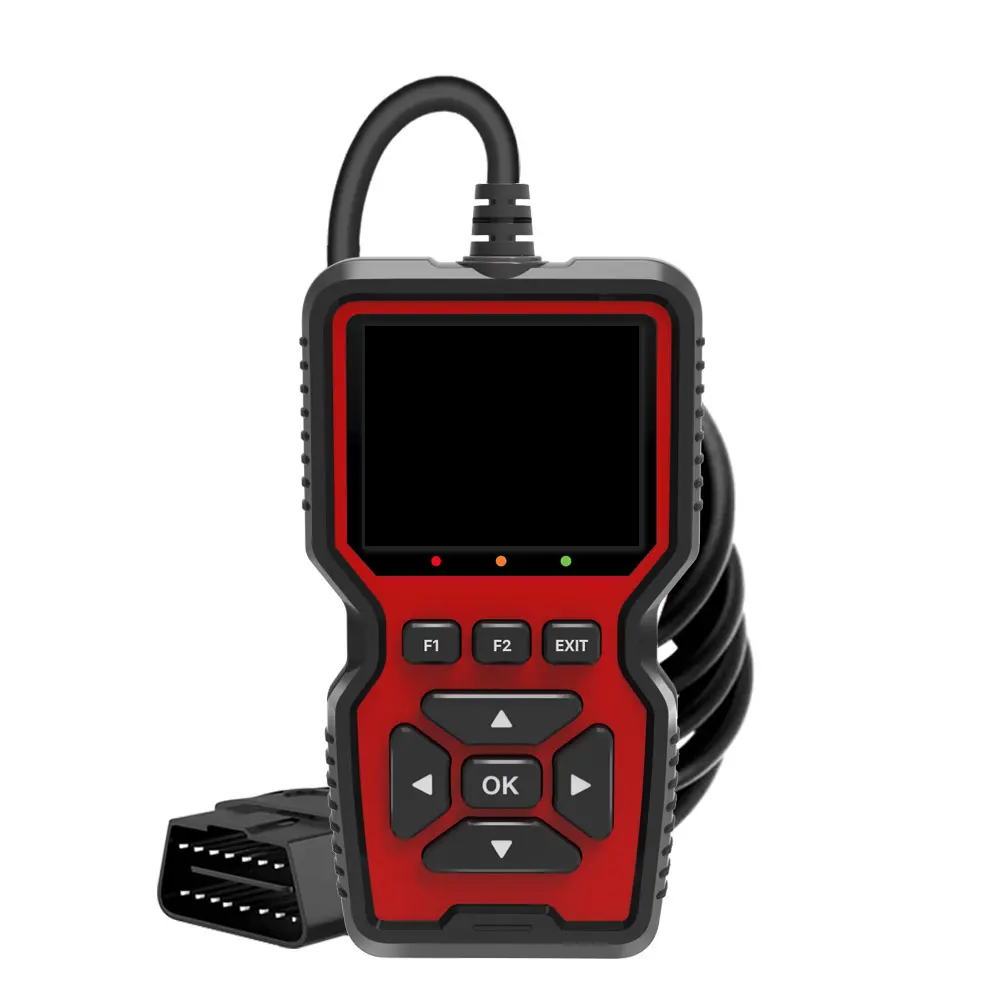
- Initial Scan and Freeze Frame Data Review: Connect an OBD-II scanner to confirm P0256 and check for any related or accompanying DTCs. Analyze freeze frame data to understand engine conditions (RPM, load, temperature) when the code was set, providing valuable context. Clear codes after review to see if P0256 immediately returns.
- Visual Inspection of Wiring and Connectors: Carefully inspect the wiring harness leading to the fuel injection pump and specifically to the fuel metering control valve (FMCV/FMA). Look for signs of damage, chafing, corrosion, loose connections, or improper routing. Pay close attention to the connector pins for bending or corrosion.
- Electrical Testing of the FMCV/FMA Circuit (Using a DMM):
- Resistance Test: Disconnect the FMCV/FMA connector. Using a digital multimeter (DMM) set to ohms, measure the resistance across the two terminals of the FMCV/FMA solenoid. Compare this reading to manufacturer specifications. An open circuit (infinite resistance) or a short circuit (near zero resistance) indicates a faulty solenoid.
- Voltage Supply Check: With the ignition ON (engine OFF), back-probe the power supply wire at the FMCV/FMA connector (or check at the pin if applicable) to ensure it’s receiving battery voltage.
- Ground Circuit Check: Check for continuity to ground on the ground side of the FMCV/FMA circuit. The ECM typically controls the ground or provides a pulse-width modulated (PWM) signal.
- Wiring Integrity Test: With the ECM connector and FMCV/FMA connector disconnected, use the DMM to check for continuity and resistance in both wires between the ECM and the FMCV/FMA. Also, check for shorts to ground and shorts to power in each wire. Resistance should be minimal (typically < 1 ohm).
- Live Data Analysis (Using an Advanced OBD-II Scanner):
- Monitor Fuel Rail Pressure (FRP) Desired vs. FRP Actual. A significant deviation indicates a fuel delivery issue.
- Monitor the Fuel Metering Control Valve/Actuator Command (often expressed as a percentage or current). Observe if the command changes as engine RPM and load vary.
- If available, monitor the Fuel Metering Control Valve Feedback. Does it match the commanded value?
- Perform a fuel system “actuator test” if your scanner supports it, to cycle the FMCV/FMA and listen for audible clicks or observe live data changes.
- Fuel System Integrity Check:
- Inspect the fuel filter for signs of clogging or contamination. Replace if necessary.
- If possible, draw a fuel sample to check for water or excessive particulate contamination.
- Consider a low-pressure fuel system pressure and flow test to ensure the high-pressure pump is receiving adequate fuel supply.
- ECM/PCM Diagnosis: Only after meticulously ruling out all other possibilities should ECM/PCM failure be considered. This typically involves specialized diagnostic tools or bench testing.
Recommended Repairs and Solutions
The repairs for P0256 are directly dependent on the root cause identified during diagnosis:
- Replace the Fuel Metering Control Valve/Actuator (FMCV/FMA): If electrical tests confirm the solenoid is faulty (open, short, incorrect resistance) or if live data indicates it’s not responding correctly despite proper electrical input from the ECM, replacement of this valve is usually the primary solution. In many cases, this component can be replaced separately from the main high-pressure pump, but refer to the specific vehicle service manual for part availability and procedure.
- Repair or Replace Damaged Wiring/Connectors: Address any detected opens, shorts, high resistance, or corrosion in the FMCV/FMA’s wiring harness or connector. Use appropriate wiring repair techniques, heat-shrink tubing, and dielectric grease to ensure a durable and reliable connection.
- Replace Fuel Filter and Purge Contaminated Fuel: If fuel contamination is detected, replace the fuel filter(s) and potentially drain and clean the fuel tank and lines to remove contaminants. This is crucial for preventing recurrence and protecting other fuel system components.
- Replace High-Pressure Injection Pump: If internal mechanical failure of the injection pump is confirmed (e.g., worn cam or rotor affecting fuel metering beyond the control of the valve itself), or if the FMCV/FMA is integral and not separately replaceable, then replacement or professional rebuilding of the entire high-pressure pump is necessary. This is often a costly repair.
- ECM/PCM Replacement/Reprogramming: If diagnostic steps definitively point to an ECM/PCM failure after all other possibilities have been exhausted, the module will need to be replaced and programmed to the vehicle. This should be a last resort.
Mechanics’ Tips: Always ensure the battery is fully charged and load-tested before extensive diagnostics. After any fuel system repair, proper bleeding procedures (priming the system) are critical to prevent airlocks and ensure proper fuel delivery. Refer to the specific vehicle’s service manual for precise torque specifications, component locations, and specialized procedures. Cleanliness is paramount when working on high-pressure fuel systems to prevent contamination.