What Does Code P0259 Mean?
DTC P0259 indicates an detected electrical or operational anomaly within the “B” circuit of the fuel injection pump’s metering control system, specifically signifying a “High” signal condition. The Engine Control Module (ECM), also known as the Powertrain Control Module (PCM), is responsible for precisely regulating the amount of fuel delivered to the high-pressure fuel pump’s pumping elements, typically via a Suction Control Valve (SCV) or Fuel Quantity Control Valve (QCV). This valve modulates the ingress of low-pressure fuel into the high-pressure chambers of the pump. A “High” signal condition implies that the ECM is detecting a voltage or current feedback from, or an attempt to drive, the fuel metering control circuit “B” that exceeds the manufacturer’s specified operational parameters. This could manifest as an unexpectedly high voltage in a feedback circuit, an open circuit, a short to voltage, or an excessive current draw, preventing the ECM from achieving the desired fuel quantity or pressure. This fault directly impacts the precise timing and volume of fuel delivery, essential for optimal engine combustion and performance, particularly in Common Rail Diesel (CRD) or other direct injection systems.
Common Symptoms
- Malfunction Indicator Light (MIL) illumination on the dashboard.
- Engine difficult to start or a complete no-start condition.
- Significant reduction in engine power, often resulting in the vehicle entering limp-home mode.
- Rough or erratic engine idle, or frequent stalling.
- Noticeable increase in exhaust emissions, potentially including excessive black or white smoke.
- Engine hesitation, surging, or intermittent misfires.
- Degraded fuel economy.
What Causes the Code P0259?
- Faulty Fuel Metering Control Valve (SCV/QCV): Internal electrical malfunction, mechanical sticking, or wear within the valve itself, preventing proper fuel flow modulation.
- Wiring harness issues: Open circuits, shorts to battery voltage, or excessively high resistance within the wiring connecting the ECM to the fuel metering control valve. This could be due to chafing, corrosion, or physical damage.
- Corroded or loose electrical connectors: Poor electrical contact at the fuel metering control valve connector or the ECM connector.
- Internal high-pressure fuel pump failure: While less common for a “high” signal, a severe internal mechanical failure within the pump could indirectly cause the metering valve to operate outside its intended range or the ECM to detect anomalous feedback.
- ECM failure: Though rare, a defective Engine Control Module could misinterpret the metering control signal or fail to correctly output the control signal to the valve.
How to Diagnose and Troubleshoot
A systematic diagnostic approach is crucial for accurately identifying the root cause of P0259:
- Visual Inspection: Begin by performing a thorough visual inspection of the wiring harness and electrical connectors associated with the fuel metering control valve (SCV/QCV) on the high-pressure fuel pump. Look for signs of chafing, cuts, bare wires, or corrosion. Ensure all connectors are securely seated.
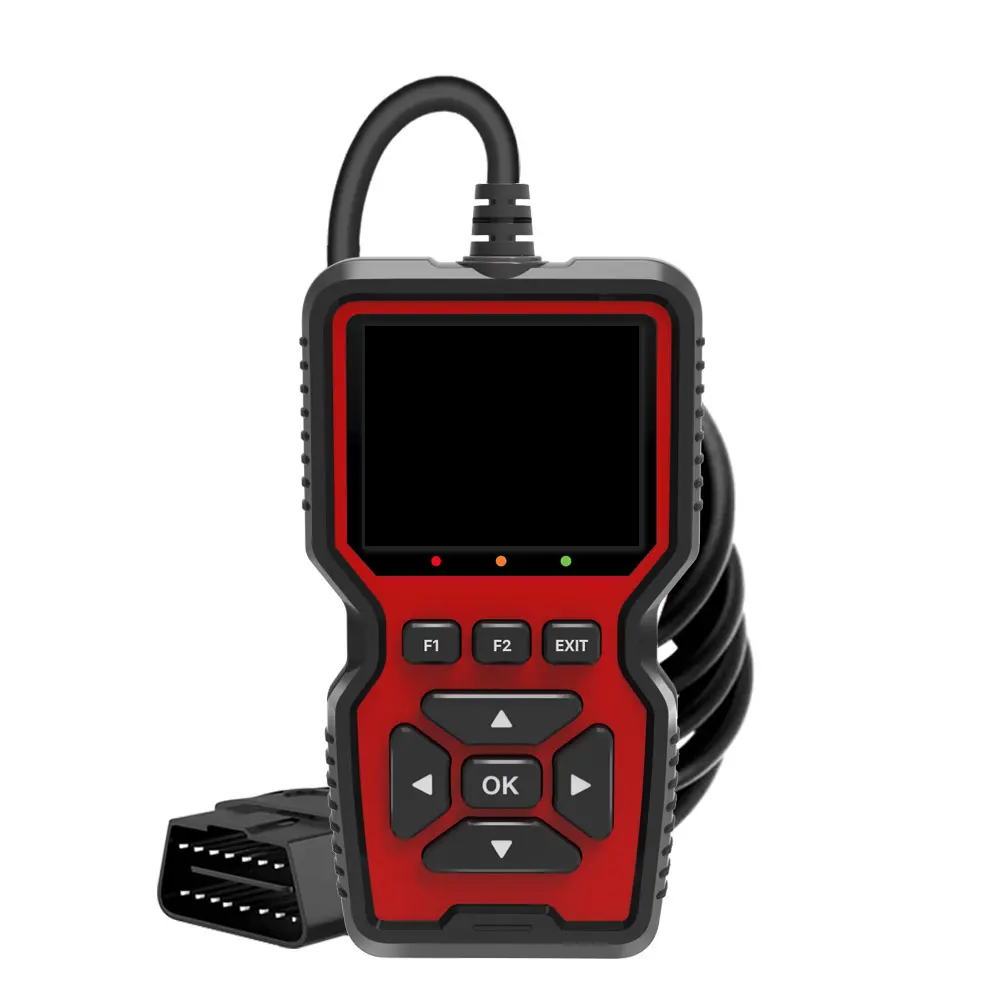
- OBD-II Scanner Data Retrieval: Connect an advanced OBD-II scanner to the vehicle’s DLC. Retrieve and analyze any stored freeze frame data associated with P0259. This data provides critical information regarding engine conditions (e.g., RPM, engine load, fuel rail pressure, desired fuel pressure, fuel metering valve duty cycle) at the exact moment the fault was set.
- Clear DTC and Test Drive: Clear the P0259 DTC and perform a brief test drive under varying engine loads and speeds. If the code reappears immediately or under specific conditions, it indicates a hard fault requiring further investigation.
- Live Data Monitoring: Access live data streams with the OBD-II scanner. Pay close attention to parameters such as “Fuel Rail Pressure (Actual)”, “Fuel Rail Pressure (Desired)”, and “Fuel Metering Valve Command/Duty Cycle”. Significant deviations between actual and desired fuel pressure, or an unexpectedly high or static duty cycle for the metering valve, can point to the problem area.
- Electrical Circuit Diagnostics with DMM:
- Disconnect the SCV/QCV electrical connector.
- Using a Digital Multimeter (DMM), measure the resistance of the fuel metering control valve’s coil across its terminals. Compare this reading against manufacturer specifications (typically a few Ohms). An open circuit (infinite resistance) or a resistance significantly outside the specified range indicates an internal fault within the valve.
- With the connector disconnected from the valve, measure the voltage at the ECM-side harness terminals while the ignition is on. Expect to find a reference voltage (often 5V or 12V, depending on the system design) on one wire and a ground on another. A missing reference voltage or an incorrect ground path indicates a wiring or ECM issue.
- Perform a continuity test on the wiring harness between the ECM connector and the fuel metering control valve connector for both control and ground circuits. Check for high resistance in these wires.
- Check for any shorts to battery voltage or ground in the wiring harness by probing each wire with the DMM while the ignition is on and the harness is disconnected from the ECM and valve.
- Oscilloscope Analysis (Optional but Recommended): For highly intermittent or complex faults, use a lab oscilloscope to monitor the waveform of the ECM’s command signal (duty cycle) to the fuel metering control valve. This can reveal transient voltage drops, noise, or improper signal generation from the ECM.
- Fuel System Integrity Check: While less directly related to a “high” signal code, ensure there are no external fuel leaks in the low- or high-pressure fuel system that could cause the ECM to compensate erratically.
Recommended Repairs and Solutions
Once the diagnostic steps have identified the faulty component, the following repairs are typically recommended:
- Repair or Replace Wiring and Connectors: If the visual inspection or electrical tests identify damaged wiring, chafed insulation, or corroded connectors, the immediate repair or replacement of the affected sections is necessary. Ensure all splices are properly sealed and connectors are clean and secure.
- Replace the Fuel Metering Control Valve (SCV/QCV): This is the most common resolution if electrical tests confirm an open circuit, incorrect resistance, or an internal mechanical fault within the valve.
- Mechanic’s Tip: When replacing the SCV/QCV, ensure the mating surfaces are meticulously cleaned. Always use new O-rings or gaskets supplied with the replacement part to prevent fuel leaks. Some vehicle manufacturers may require a specific relearn procedure or fuel system bleeding after replacement to ensure proper operation and clear stored adaptives.
- High-Pressure Fuel Pump Replacement: In scenarios where the fuel metering valve is an integral, non-serviceable part of the high-pressure fuel pump, or if comprehensive diagnostics reveal internal mechanical damage to the pump that directly impairs metering control, the entire high-pressure fuel pump assembly may require replacement. This is typically a more extensive and costly repair.
- ECM Replacement/Reprogramming: Only after all other potential causes, including the metering valve, wiring, and associated fuel system components, have been thoroughly tested and ruled out should ECM replacement be considered. An ECM replacement will necessitate specialized programming and configuration to the specific vehicle.