What Does Code P0269 Mean?
DTC P0269, defined as “Cylinder 3 Contribution/Balance Fault,” indicates that the Engine Control Module (ECM) or Powertrain Control Module (PCM) has detected an imbalance in the power output contributed by cylinder number 3 relative to the other cylinders. The ECM continuously monitors the rotational speed of the crankshaft using data from the Crankshaft Position (CKP) sensor. During each cylinder’s power stroke, a slight acceleration of the crankshaft occurs. The ECM compares the acceleration rate of cylinder 3 during its power stroke to a calibrated threshold and to the average acceleration rates of the other cylinders. If cylinder 3’s contribution deviates significantly below the expected output, suggesting it is not producing adequate power, or if its power contribution is inconsistent or lower than its counterparts, the ECM will set the P0269 code. This fault is not necessarily a complete misfire (which would typically trigger a P0303 code), but rather a measurable deficiency in the cylinder’s overall power production, often preceding a full misfire event if left unaddressed. The subsystem affected directly relates to cylinder 3’s combustion process, including its fuel delivery, ignition, and mechanical integrity.
Common Symptoms
- Noticeable engine misfire or rough idle, felt as vibrations or shuddering.
- Reduced engine performance, including diminished acceleration and overall power output.
- Decreased fuel efficiency (MPG).
- Illumination of the Check Engine Light (MIL), which may flash if the misfire is severe enough to cause catalytic converter damage.
- Engine hesitation or stumble under acceleration.
- Difficulty starting the engine (less common for a single cylinder contribution fault).
What Causes the Code P0269?
- Faulty or Clogged Fuel Injector: The fuel injector for Cylinder 3 may be partially or completely clogged, leaking, or electrically faulty, leading to an insufficient or incorrect fuel spray pattern.
- Weak or Failed Ignition System Component: A defective spark plug, a failing ignition coil-on-plug (COP), or a compromised spark plug wire (if applicable) for Cylinder 3 can result in a weak or absent spark.
- Mechanical Engine Issues: Low compression in Cylinder 3 due to worn piston rings, a burned or bent valve, a damaged valve seat, or a compromised head gasket allowing combustion gases to escape.
- Intake Air Leaks: A vacuum leak in the intake manifold gasket or a damaged intake runner near Cylinder 3 can lean out its air-fuel mixture.
- Wiring or Connector Problems: Damaged, corroded, or loose wiring and connectors leading to Cylinder 3’s fuel injector or ignition coil can disrupt power or signal delivery.
- ECM/PCM Failure: While less common, an internal fault within the ECM/PCM could incorrectly interpret crankshaft speed data or fail to properly control Cylinder 3’s components.
How to Diagnose and Troubleshoot
Diagnosis of P0269 requires a systematic approach:
- Initial Scan Tool Analysis:
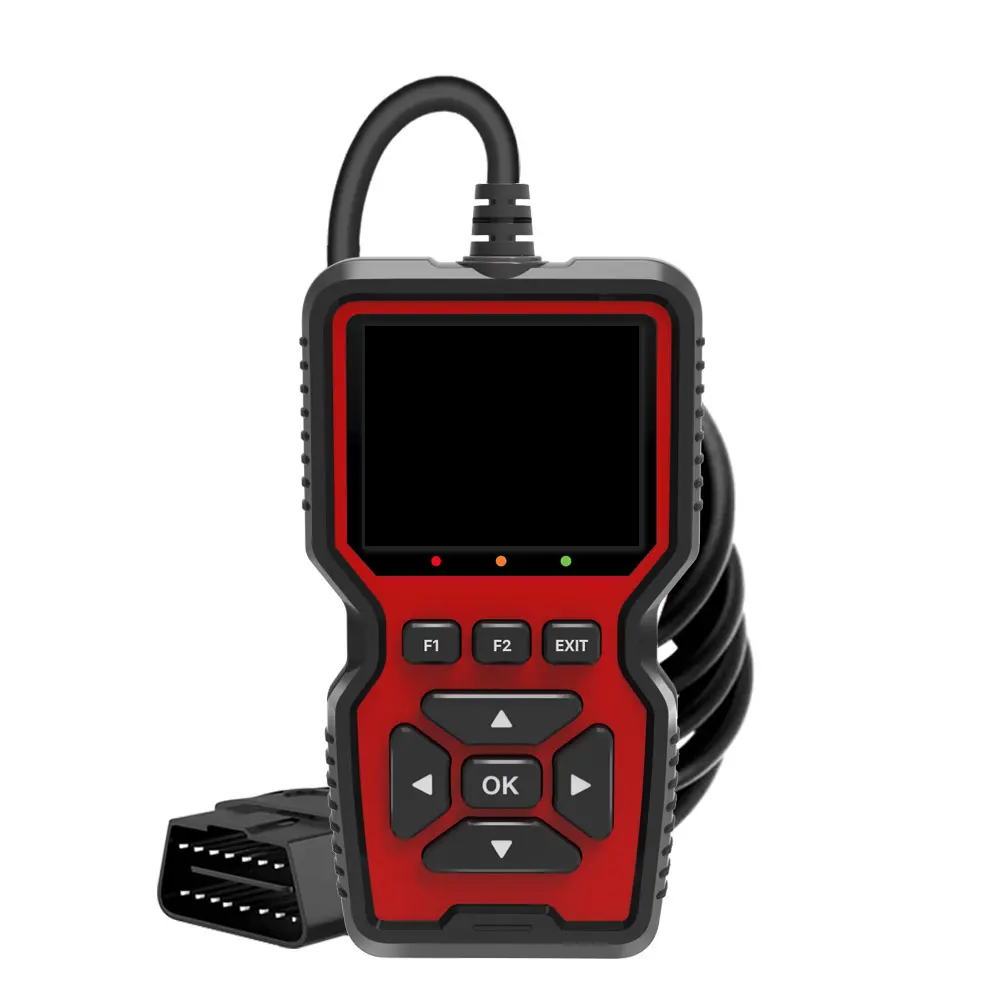
- Connect an OBD-II scan tool and confirm the presence of P0269.
- Check for any co-existing Diagnostic Trouble Codes (DTCs), especially misfire codes (e.g., P0303 for Cylinder 3 misfire) or fuel trim codes, as these can provide additional context.
- Review freeze frame data to understand the engine operating conditions (RPM, load, temperature, etc.) when the fault was first detected. This helps in replicating the conditions.
- Monitor live data for misfire counts on all cylinders. While P0269 indicates a contribution issue, it often correlates with an elevated misfire count on Cylinder 3.
- Visual Inspection:
- Inspect the wiring harness and electrical connectors for Cylinder 3’s fuel injector and ignition coil. Look for signs of fraying, corrosion, short circuits, or loose connections.
- Visually check the spark plug for Cylinder 3 for signs of oil fouling, excessive wear, cracks, or an incorrect gap. Compare it to spark plugs from known good cylinders.
- Inspect the intake manifold and vacuum lines near Cylinder 3 for any signs of cracks, loose connections, or leaks. A smoke machine can be invaluable for pinpointing subtle vacuum leaks.
- Ignition System Testing:
- Remove the ignition coil for Cylinder 3. Use an in-line spark tester to verify the presence and strength of the spark.
- If the vehicle uses coil-on-plug (COP) ignition, swap the Cylinder 3 coil with a coil from a known good cylinder (e.g., Cylinder 1 or 2). Clear codes and retest the vehicle. If the misfire or contribution fault (P0269 or P030X) moves to the new cylinder, the ignition coil is faulty.
- Using a Digital Multimeter (DMM), measure the primary and secondary resistance of the Cylinder 3 ignition coil and compare it to manufacturer specifications and known good coils. Also check for proper voltage supply and ground at the coil connector.
- Fuel System Testing:
- Use a stethoscope to listen for the distinctive clicking sound of the Cylinder 3 fuel injector. Compare its sound and consistency to injectors on other cylinders. An absent or weak click indicates an issue.
- If the scan tool supports it, perform a fuel injector balance test to assess the flow rate of Cylinder 3’s injector compared to others.
- With a DMM, check the electrical resistance of the Cylinder 3 fuel injector. Compare the reading to specifications and other injectors. An open circuit or significant deviation suggests a faulty injector.
- Check for the presence of a proper pulse signal at the Cylinder 3 injector connector using a noid light or an oscilloscope while the engine is cranking or running.
- As with ignition coils, if possible, swap the Cylinder 3 fuel injector with another cylinder’s injector. If the fault moves, the injector is bad.
- Mechanical Engine Testing:
- Perform a dry and then wet compression test on Cylinder 3. Compare readings to manufacturer specifications and to other cylinders. A reading significantly lower than others indicates a mechanical issue (e.g., worn rings, bad valve).
- If compression is low, perform a leak-down test on Cylinder 3. This test will help pinpoint the exact source of the compression loss (e.g., air escaping through the intake manifold indicates a bad intake valve, through the exhaust indicates a bad exhaust valve, through the oil filler cap indicates worn piston rings, or bubbling in the coolant reservoir indicates a head gasket issue).
Recommended Repairs and Solutions
Based on the diagnostic findings, the following repairs are commonly recommended:
- Replace Spark Plug: If inspection reveals a fouled, worn, or damaged spark plug for Cylinder 3, replace it with an OEM-specified component. It is often wise to replace all spark plugs if they are due for maintenance.
- Replace Ignition Coil/Pack: If tests confirm the ignition coil for Cylinder 3 is weak or failed, replace it. Consider replacing all coils if they are original and have high mileage, as others may soon fail.
- Replace Fuel Injector: If the fuel injector for Cylinder 3 is found to be clogged, leaking, or electrically faulty, replace it. Ensure proper sealing with new O-rings during installation.
- Repair Wiring or Connectors: If damaged, corroded, or loose wiring or connectors for the injector or ignition coil are identified, perform necessary repairs (splice, crimp, or replace the connector/harness section).
- Address Mechanical Issues: If compression or leak-down tests indicate a mechanical fault:
- Worn Piston Rings/Cylinder Walls: This typically necessitates an engine overhaul, including piston ring replacement and potentially cylinder honing or boring.
- Burned/Bent Valves or Worn Valve Seats: Requires removal of the cylinder head for a valve job, which includes replacing damaged valves and potentially re-facing valve seats.
- Head Gasket Leak: Requires replacement of the head gasket, often with cylinder head surfacing to ensure a proper seal.
- Repair Vacuum Leaks: Replace any cracked vacuum hoses, damaged intake manifold gaskets, or other components responsible for air leaks affecting Cylinder 3.
- ECM/PCM Reprogramming or Replacement: This is a last resort. If all other components test perfectly and the issue persists, the ECM/PCM may require reprogramming or replacement, followed by proper coding to the vehicle.
After any repair, clear the DTCs from the ECM/PCM memory using a scan tool. Perform a comprehensive test drive under various engine loads and RPMs to ensure the fault does not reappear and that all emission monitors complete their diagnostic cycles without setting new codes.