What Does Code P0271 Mean?
Diagnostic Trouble Code P0271 signifies that the Engine Control Module (ECM) or Powertrain Control Module (PCM) has detected an electrical anomaly within the circuit responsible for powering and controlling the fuel injector of Cylinder 4. Specifically, “Circuit High” indicates that the voltage observed by the ECM/PCM on the injector’s control circuit is higher than the expected threshold during its operational cycle. This condition can arise when the ECM/PCM attempts to energize the injector solenoid to deliver fuel, but either the current flow is insufficient, or there is an unintended voltage present on the control line. The ECM/PCM typically controls the fuel injectors by supplying a constant battery voltage (B+) to one side and rapidly switching the ground path on the other side. A P0271 implies that the ground path is either open, has excessively high resistance, or is shorted to a voltage source, preventing the circuit from being pulled to ground effectively when commanded. This directly impacts the fuel delivery subsystem for Cylinder 4, leading to inadequate or no fuel injection and subsequent combustion issues in that cylinder.
Common Symptoms
- Engine Misfire: Noticeable roughness or shaking of the engine, particularly at idle or under load, specifically originating from Cylinder 4.
- Reduced Engine Performance: Diminished power output, poor acceleration, and overall sluggishness due to one cylinder not contributing to combustion.
- Check Engine Light (CEL) Illumination: The Malfunction Indicator Lamp (MIL) will be illuminated on the dashboard.
- Rough Idling: The engine may idle erratically, with fluctuating RPMs, as the ECM/PCM attempts to compensate for the imbalance.
- Poor Fuel Economy: The engine management system might attempt to overcompensate by enriching the fuel mixture in other cylinders, or inefficient combustion leads to increased fuel consumption.
- Engine Hesitation or Stumbling: Intermittent loss of power or hesitation during acceleration.
- Possible Fuel Odor: In some cases, unburnt fuel may exit the exhaust if the injector is leaking or the ECM/PCM’s compensation strategies are ineffective. Conversely, a complete open circuit may result in no fuel delivery and no fuel odor.
What Causes the Code P0271?
- Faulty Fuel Injector (Cylinder 4): An internal open circuit, excessively high resistance, or a short within the injector’s solenoid winding can prevent it from drawing adequate current or operating correctly, leading to a “circuit high” condition as detected by the ECM/PCM.
- Open or Short to Voltage in Wiring Harness: Damage to the electrical wiring leading to the Cylinder 4 fuel injector, such as a broken wire (open circuit), a chafed wire contacting a constant 12V power source (short to voltage), or severe corrosion within the wire strands.
- Corroded or Loose Electrical Connector: Poor connection at the fuel injector plug itself, or at the corresponding pins within the main engine wiring harness connector or ECM/PCM connector, leading to high resistance or an intermittent open circuit.
- Faulty ECM/PCM Injector Driver: While less common, the dedicated fuel injector driver circuit within the ECM/PCM for Cylinder 4 could be malfunctioning. It might be unable to properly provide a ground path for the injector, or its internal monitoring circuit could be misinterpreting the voltage signal.
- Power Supply Issues: Though primarily for an injector circuit low condition, intermittent or unstable voltage supply to the injector bank could potentially cause the ECM/PCM to misinterpret the signal on the control side, albeit less directly.
How to Diagnose and Troubleshoot
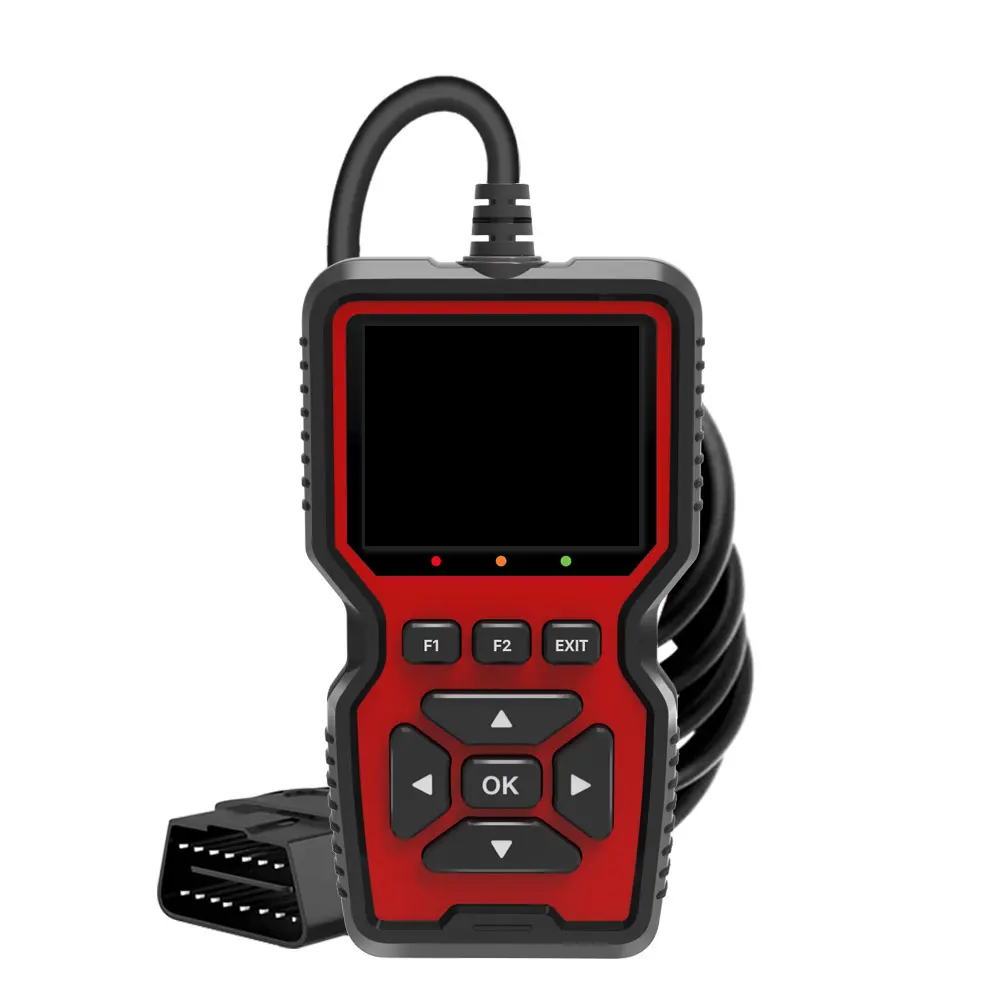
Diagnosis of P0271 requires systematic testing using a digital multimeter (DMM), an OBD-II scan tool, and visual inspection.
- Visual Inspection: Begin by thoroughly inspecting the Cylinder 4 fuel injector, its electrical connector, and the surrounding wiring harness for any obvious signs of damage. Look for frayed wires, melted insulation, corrosion at connector pins, loose connections, or physical damage to the injector body. Ensure the connector is fully seated and securely latched.
- Scan Tool Data Analysis: Connect an OBD-II scan tool capable of reading live data. Check for any other related diagnostic trouble codes (DTCs), especially misfire codes (P0304) or other injector circuit codes. Observe live data parameters such as “Cylinder 4 Injector Pulse Width” or “Injector Duty Cycle.” Compare these values to those of adjacent, known-good cylinders. An injector not pulsing or showing an erratic pulse width, or an injector trim that is maxed out, can provide clues.
- Injector Resistance Test (DMM):
- Disconnect the electrical connector from the Cylinder 4 fuel injector.
- Set your DMM to the Ohms (Ω) scale.
- Measure the resistance across the two electrical terminals of the fuel injector itself.
- Compare this reading to the manufacturer’s specifications (typically 10-16 ohms for high-impedance injectors, but consult a service manual for exact values). An open circuit (infinite resistance or “OL” on the DMM) or a significantly higher-than-specification reading indicates an internal fault within the injector, necessitating replacement. For comparison, test a known-good injector if specifications are unavailable.
- Voltage Supply Test at Injector Connector (DMM):
- With the ignition key in the “ON” position (engine off) and the injector connector still disconnected.
- Set your DMM to Volts DC.
- Place the red probe of the DMM on one terminal of the Cylinder 4 injector harness connector and the black probe to a known good chassis ground.
- Repeat for the other terminal. One terminal should show battery voltage (approximately 12V). This is the power supply (B+) side. If no voltage is present, troubleshoot the power supply circuit (e.g., fuse, relay, wiring leading to the injector bank).
- Control Circuit Integrity Test (DMM):
- Locate and disconnect the ECM/PCM connector(s) that contain the wiring for Cylinder 4’s injector control circuit (consult a wiring diagram or service manual for pinouts).
- With the injector connector still disconnected and the ECM/PCM connector disconnected, set your DMM to the Ohms (Ω) scale.
- Measure the resistance between the control wire terminal at the Cylinder 4 injector connector and its corresponding pin at the ECM/PCM connector. Expect very low resistance (typically less than 1 ohm). High resistance or an open circuit indicates a problem in the wiring harness.
- While performing this test, also check for a short to ground by placing one DMM lead on the control wire and the other to chassis ground. Check for a short to voltage by placing one lead on the control wire and the other to battery positive. Both should show an open circuit (OL).
- Injector Pulse Test (Noid Light or Oscilloscope):
- If the wiring and injector resistance check out, the ECM/PCM driver may be suspect. Connect a noid light to the Cylinder 4 injector harness connector. Crank the engine (without starting, if possible). A flashing noid light indicates the ECM/PCM is sending a pulse. No flash suggests an issue with the ECM/PCM driver or its power supply.
- For more in-depth analysis, an oscilloscope can be used to observe the injector’s voltage waveform. This can reveal subtle issues with the pulse width, voltage drop, and inductive kick, which a noid light cannot.
Recommended Repairs and Solutions
Once the diagnostic steps have pinpointed the root cause, the following repairs are typically performed:
- Replace the Cylinder 4 Fuel Injector: If the resistance test of the injector itself reveals an internal open circuit, excessively high resistance, or an internal short, replacement of the Cylinder 4 fuel injector is necessary. Ensure that new O-rings and seals are used during installation to prevent fuel leaks.
- Repair or Replace Wiring Harness: If diagnostic tests indicate an open circuit, a short to voltage, or high resistance within the wiring harness leading to the injector, the damaged section of the wiring should be meticulously repaired or, if severely damaged, the entire harness section replaced. Use professional-grade heat-shrink connectors and loom tape to ensure durable repairs.
- Clean or Replace Connectors: If corrosion or poor terminal tension is identified at the injector connector or the ECM/PCM connector, clean the terminals using electrical contact cleaner and a small wire brush. If terminals are severely damaged or corroded, the connector body and terminals may need to be replaced.
- ECM/PCM Replacement: This is a last resort and should only be considered after all other components and wiring have been exhaustively tested and ruled out. If all tests definitively point to an internal failure of the ECM/PCM’s injector driver circuit for Cylinder 4, then ECM/PCM replacement or repair by a specialized electronics shop is required. Note that new ECM/PCMs often require programming or “flashing” to the vehicle’s specific VIN and options.
Important Mechanic’s Tip: After any repair, always clear the DTCs with a scan tool and perform a comprehensive test drive under various load conditions to confirm that the P0271 code does not return and that engine performance has been restored. It is also good practice to monitor fuel trims after injector replacement, as the ECM/PCM may need time to adapt to the new injector’s flow characteristics.