What Does Code P0358 Mean?
Diagnostic Trouble Code (DTC) P0358 indicates a detected malfunction within the primary or secondary circuit of ignition coil “H”. In a multi-cylinder engine, the “H” designation typically refers to the eighth ignition coil in the manufacturer’s specified cylinder numbering or firing order sequence. The Engine Control Module (ECM), also commonly referred to as the Powertrain Control Module (PCM), is responsible for monitoring the electrical integrity and operational performance of each ignition coil circuit. The primary circuit consists of the low-voltage side of the coil, including the power supply from the battery or ignition switch and the ground control signal provided by the ECM. The secondary circuit involves the high-voltage side, which is responsible for generating the spark across the spark plug gap. When the ECM detects an abnormal voltage fluctuation, an unexpected resistance value, an open circuit, or a short circuit within either of these paths for ignition coil H, it interprets this as a malfunction and sets the P0358 code, subsequently illuminating the Malfunction Indicator Lamp (MIL).
Common Symptoms
- Engine Misfire: Noticeable misfire specifically in the cylinder associated with ignition coil H, leading to rough engine operation.
- Rough Idle: The engine may exhibit an unstable or vibrating idle due as a result of incomplete combustion in one cylinder.
- Reduced Engine Performance: Significant loss of power and diminished acceleration capabilities, especially under load.
- Illuminated Malfunction Indicator Lamp (MIL): The “Check Engine” light will be illuminated on the dashboard.
- Poor Fuel Economy: Inefficient combustion due to the misfire can lead to increased fuel consumption.
- Engine Hesitation or Stumbling: The vehicle may lurch or stumble during acceleration or steady-state driving.
What Causes the Code P0358?
- Faulty Ignition Coil H: Internal failure of the ignition coil itself, such as shorted windings, an open primary or secondary winding, or dielectric breakdown.
- Wiring Harness Issues: Damage to the wiring harness leading to ignition coil H, including chafing, cuts, corrosion, or an open/short circuit within the power, ground, or signal wires.
- Corroded or Loose Connector: Poor electrical connection at the ignition coil H connector or the corresponding ECM connector due to corrosion, bent pins, or insufficient terminal tension.
- Faulty Spark Plug H: A severely fouled, damaged, or incorrectly gapped spark plug can sometimes cause the ignition coil to fail or the ECM to detect an anomalous current draw, leading to the code.
- ECM/PCM Failure: A rare but possible scenario where the ignition coil driver circuit within the ECM for coil H has failed internally.
How to Diagnose and Troubleshoot
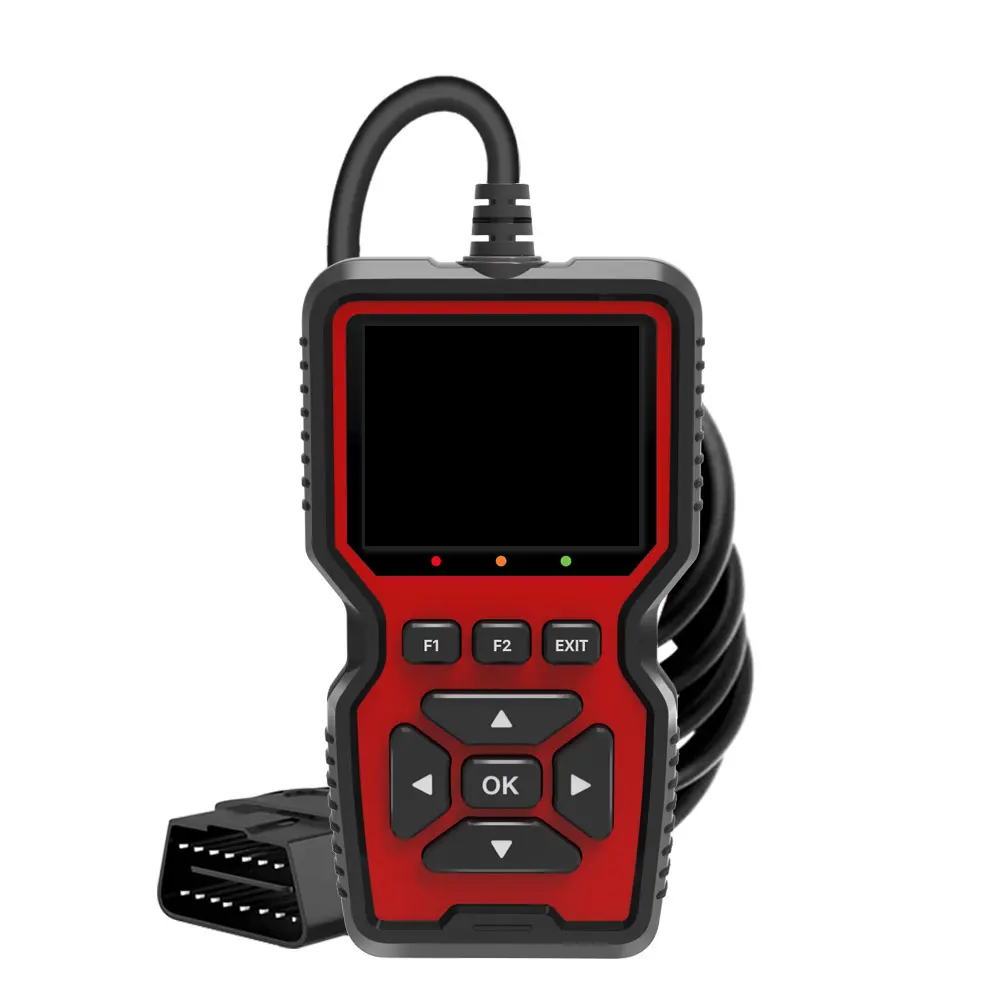
Diagnosis of P0358 requires a systematic approach, often utilizing a digital multimeter (DMM) and an OBD-II scan tool.
- Verify and Document Codes: Connect an OBD-II scan tool to confirm P0358. Access and record any associated freeze frame data, which provides critical engine parameters (RPM, load, coolant temperature) at the time the fault was detected. This information can help reproduce the conditions under which the code set.
- Visual Inspection:
- Carefully inspect the wiring harness for ignition coil H. Look for any signs of physical damage, such as chafing against engine components, melted insulation, rodent damage, or corrosion at the terminals.
- Examine the electrical connector for ignition coil H. Check for bent pins, pushed-out terminals, or signs of corrosion and ensure it is securely seated.
- Inspect ignition coil H itself for any visible cracks, carbon tracking (burn marks indicating high-voltage leakage), or signs of overheating.
- Remove spark plug H (if accessible) and inspect its condition. Look for heavy fouling, signs of oil or coolant contamination, electrode wear, or improper gap. A severely fouled plug can sometimes overstress the coil.
- Electrical Circuit Tests (using DMM):
- Power Supply Check: With the ignition ON (engine OFF), disconnect the electrical connector from ignition coil H. Using a DMM, back-probe the power supply wire (typically 12V) at the coil connector. Verify 12V (battery voltage) is present. If no voltage, trace the circuit back to the fuse box or relay for an open circuit.
- Ground Circuit Check: Identify the ground wire at the coil H connector. Use the DMM in continuity mode or resistance mode (ohms) to check for a good ground connection to the chassis. A resistance reading close to 0 ohms indicates a good ground. If an ECM-controlled ground is present, check for continuity to the ECM connector.
- Control Circuit Signal Check: This requires an oscilloscope for accurate assessment. With the engine cranking or running (if possible), connect the oscilloscope to the ECM’s control wire for ignition coil H. Look for a clean, square-wave ignition trigger signal. A DMM can sometimes show fluctuating voltage during cranking, but an oscilloscope provides definitive proof of signal integrity.
- Ignition Coil Resistance Test: If manufacturer specifications are available, measure the primary and secondary resistance of ignition coil H using a DMM. Compare these readings to the specifications. An open circuit or a reading significantly outside the specified range indicates an internal coil fault.
- Ignition Coil Swap Test: If visual inspections and electrical tests do not definitively pinpoint the fault, and an oscilloscope is unavailable, swap ignition coil H with a known good coil from an adjacent cylinder (e.g., ignition coil G or I). Clear the DTCs, then run the engine. If the P0358 code clears and a new code for the cylinder corresponding to the swapped-in coil sets (e.g., P0357 or P0359), then the original ignition coil H is faulty. If P0358 returns, the issue lies in the wiring harness or the ECM.
- ECM Driver Test (Advanced): If all wiring and the ignition coil itself are confirmed good, and no control signal is present from the ECM, the ECM’s internal driver for ignition coil H may be faulty. This requires advanced diagnostic tools or professional ECM testing/replacement.
Recommended Repairs and Solutions
Based on the diagnostic findings, the following repairs are commonly indicated:
- Replace Faulty Ignition Coil: This is the most frequent resolution for P0358. Ensure to replace the coil with an OEM equivalent or a high-quality aftermarket component. It is often recommended to inspect and potentially replace all spark plugs when replacing an ignition coil, especially if they are nearing their service life, to ensure optimal system performance and prevent future issues.
- Repair or Replace Wiring Harness: If damaged wiring is identified, perform a professional repair using proper soldering, heat-shrink tubing, and automotive-grade wiring. Avoid temporary fixes like electrical tape. In cases of extensive damage, consider replacing the relevant section of the engine wiring harness.
- Clean or Repair Connectors: If corrosion or poor terminal tension is found at the coil or ECM connectors, use specialized electrical contact cleaner and a pick to carefully restore terminal integrity. If the connector is severely damaged, replacement may be necessary.
- Replace Spark Plug H: If inspection reveals a severely fouled, cracked, or improperly gapped spark plug, replace it. This can often resolve misfire conditions and prevent undue stress on the new ignition coil.
- ECM/PCM Replacement: As a last resort, if all other components and wiring have been thoroughly tested and confirmed to be functioning correctly, and there is no control signal from the ECM, the ECM may require replacement. This is typically an expensive repair and often requires specialized programming or ‘flashing’ to match the vehicle’s specifications. Always exhaust all other diagnostic avenues before considering ECM replacement.