What Does Code P0568 Mean?
DTC P0568 indicates a “Cruise Control Set Signal Malfunction.” This code is triggered by the Engine Control Module (ECM), or Powertrain Control Module (PCM), when it detects an implausible or incorrect electrical signal from the cruise control “SET” switch input. The ECM/PCM continuously monitors various inputs from the cruise control switch assembly to manage vehicle speed. When the “SET” button is pressed, the ECM/PCM expects to receive a specific voltage signal or a change in resistance value, indicating the driver’s intention to engage and set the current vehicle speed. If the module receives a signal that is outside the manufacturer’s specified voltage range (e.g., too high, too low, open circuit, or short circuit) for the SET function, or no signal is detected when expected, P0568 is stored. This specific malfunction directly impacts the cruise control subsystem’s ability to activate and maintain a desired set speed, rendering the feature inoperative or erratic.
Common Symptoms
- Cruise control system is completely inoperative.
- Cruise control will not engage or “set” a speed, even if the ON/OFF function works.
- Intermittent functionality of the cruise control system.
- Malfunction Indicator Lamp (MIL) or “Check Engine Light” illuminates on the dashboard.
- Other cruise control functions (e.g., RESUME, CANCEL, ON/OFF) may still operate correctly, isolating the issue to the SET input.
What Causes the Code P0568?
- Faulty Cruise Control Set Switch: Internal failure of the SET button or its associated contacts within the cruise control switch assembly, leading to an incorrect or absent signal.
- Wiring Harness Issues: An open circuit, short to ground, or short to voltage in the specific wire carrying the SET signal from the cruise control switch to the ECM/PCM.
- Poor Electrical Connections: Corroded, loose, or damaged terminals at the cruise control switch connector, steering column clock spring connector (if switches are steering wheel-mounted), or the ECM/PCM connector.
- Faulty Clock Spring: If the cruise control switches are integrated into the steering wheel, a damaged clock spring can interrupt the electrical path for the SET signal.
- Incorrect Reference Voltage: An issue with the power supply or ground circuit providing reference voltage to the cruise control switch, resulting in an out-of-spec SET signal.
- ECM/PCM Malfunction: While less common for isolated input codes, a damaged input circuit within the ECM/PCM itself could misinterpret or fail to receive the SET signal.
How to Diagnose and Troubleshoot
Diagnosis of P0568 requires a methodical approach using appropriate diagnostic tools:
- Visual Inspection: Begin by thoroughly inspecting the cruise control switch assembly (on the steering wheel, stalk, or dash), its wiring harness, and connectors for any visible signs of damage, fraying, corrosion, or loose connections. Pay close attention to any aftermarket accessories that might interfere with the wiring.
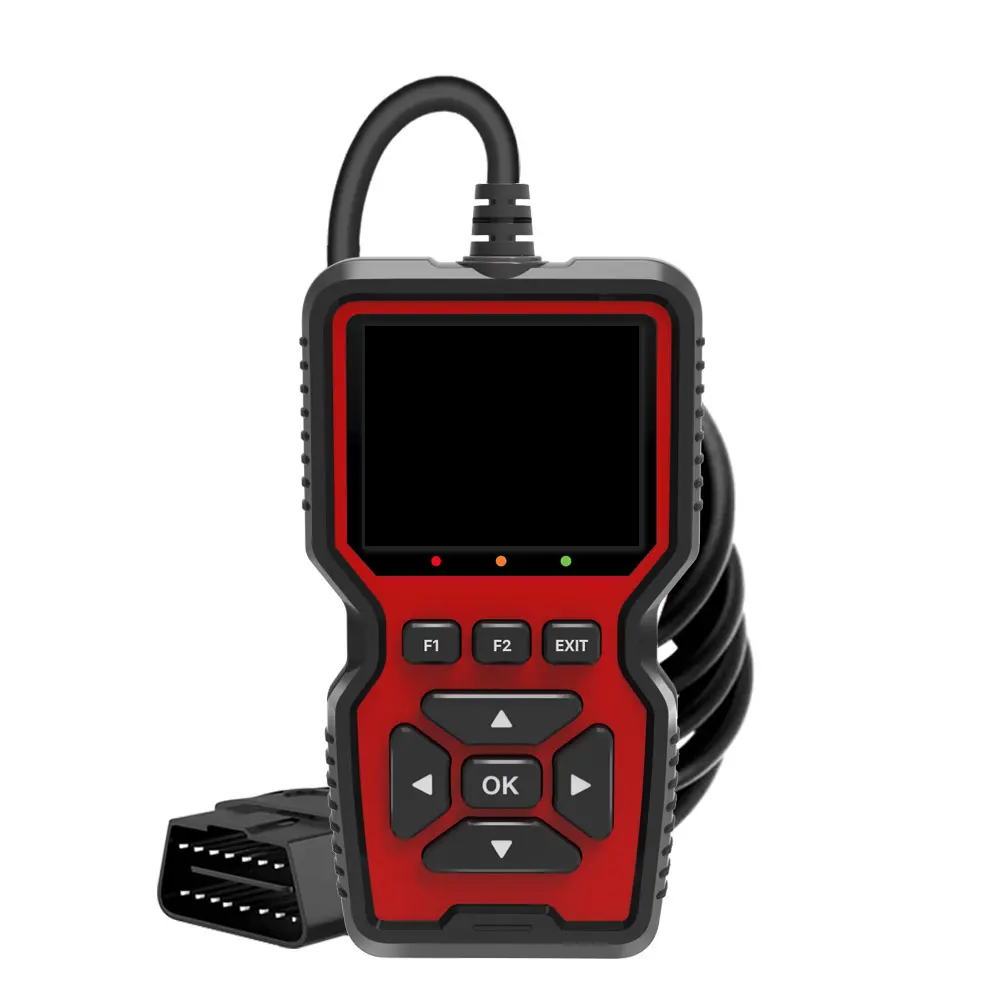
- Retrieve and Analyze DTCs and Freeze Frame Data: Connect an OBD-II scanner to read and record all stored Diagnostic Trouble Codes (DTCs) and associated freeze frame data. This data can provide valuable information about engine conditions (speed, load, temperature) when the code was set, which may offer clues. Clear the DTCs and perform a road test to see if the P0568 code returns immediately.
- Monitor Live Data: Using the OBD-II scanner, access the live data stream for cruise control switch inputs. Specifically, look for parameters related to “Cruise Control Set Switch Status” or “CC SET Signal Voltage.” With the ignition on and engine off, observe this parameter while pressing the “SET” button. The value should change from its default state to an expected voltage or resistance value (consult manufacturer’s service manual for specifications). If the value remains static, is erratic, or is outside the specified range, it confirms an issue with the SET signal.
- Digital Multimeter (DMM) Testing:
- Voltage Check: With the ignition on, back-probe the SET signal wire at the cruise control switch connector (or at the ECM/PCM connector, if accessible) to verify the reference voltage supply and the signal voltage when the SET button is pressed and released. Compare readings to manufacturer specifications. Typically, these are 5V or 12V circuits.
- Continuity Check: Disconnect the battery and relevant connectors. Use the DMM to check for continuity through the SET switch itself when activated. Also, check for continuity in the SET signal wire from the switch connector to the ECM/PCM connector to identify any open circuits.
- Resistance Check: Measure the resistance of the SET switch across its terminals in both open and closed (pressed) states. Compare against factory specifications to identify an internally faulty switch.
- Ground Check: Ensure the cruise control switch assembly has a solid ground connection by checking resistance between the ground wire terminal and a known good chassis ground.
- Clock Spring Inspection (if applicable): If the cruise control switches are steering wheel-mounted, disconnect the battery and carefully remove the airbag module (following strict safety procedures). Visually inspect the clock spring wiring and then perform continuity checks on the specific circuit for the SET switch while rotating the steering wheel lock-to-lock. Intermittent continuity suggests a faulty clock spring.
- ECM/PCM Input Verification: As a final step, if all other components test good, test the SET signal at the ECM/PCM connector pins. If the correct signal is present at the ECM/PCM input pins but the module is not registering it, or if it still sets P0568, it may indicate an internal ECM/PCM fault.
Recommended Repairs and Solutions
Addressing DTC P0568 typically involves replacing or repairing components in the cruise control switch circuit:
- Replace Faulty Cruise Control Set Switch: If DMM tests confirm the SET switch itself is not operating correctly (e.g., no continuity when pressed, incorrect resistance), replace the cruise control switch assembly. This might involve replacing a dedicated button, a stalk-mounted switch, or a multifunction switch assembly.
- Repair/Replace Wiring Harness: If an open circuit, short to ground, or short to voltage is identified in the wiring harness, repair the damaged section using appropriate automotive-grade wire, soldering techniques, and heat-shrink tubing. In cases of extensive damage, consider replacing the relevant section of the wiring harness.
- Clean/Repair Electrical Connectors: For corroded or loose connections, clean the terminals using electrical contact cleaner and a small brush. Ensure all pins are properly seated and make secure contact. Replace any severely damaged connector housings or individual pins.
- Replace Clock Spring: If diagnostic steps point to a faulty clock spring as the culprit for a steering wheel-mounted switch, replace the clock spring. Ensure proper alignment and centering during installation to prevent damage to the new component. Remember to follow manufacturer safety procedures related to airbag deployment.
- ECM/PCM Replacement: Only consider replacing the ECM/PCM as a last resort, after all other components and wiring have been thoroughly tested and ruled out. ECM/PCM replacement usually requires programming or flashing to the vehicle’s specific VIN.
Important Mechanics’ Tips:
- Always disconnect the battery negative terminal before performing electrical work, especially when dealing with airbag systems.
- Refer to the vehicle-specific service manual for accurate wiring diagrams, component locations, pin-out charts, and expected voltage/resistance values, as systems vary significantly between manufacturers.
- After any repair, clear the DTCs from the ECM/PCM memory. Perform a comprehensive road test to confirm the cruise control system functions correctly and that P0568 does not return.
- If the cruise control system still doesn’t work after addressing P0568, ensure there are no other active DTCs related to cruise control inputs, such as brake pedal switch, clutch pedal switch, or vehicle speed sensor, as these can inhibit cruise control operation even if the SET signal is fixed.