What Does Code P0312 Mean?
The OBD-II diagnostic trouble code P0312 indicates that the Engine Control Module (ECM), also commonly referred to as the Powertrain Control Module (PCM), has detected a misfire condition specifically in cylinder #12 of the engine. A misfire occurs when a cylinder fails to contribute its expected power output to the crankshaft rotation. The ECM monitors the crankshaft position sensor (CKP) and camshaft position sensor (CMP) signals for subtle variations in crankshaft rotational speed. During a healthy combustion event, the crankshaft accelerates momentarily. If the ECM detects a significant deceleration during the specific firing event of cylinder #12, it registers a misfire for that cylinder. If the misfire count exceeds a calibrated threshold within a set number of crankshaft revolutions, the ECM will illuminate the Check Engine Light (MIL) and store the P0312 code. This code primarily affects the engine’s combustion efficiency, leading to increased emissions and potential damage to the catalytic converter due to unburnt fuel entering the exhaust system. On multi-bank, high-cylinder count engines, identifying the correct cylinder for P0312 requires precise manufacturer-specific cylinder numbering conventions.
Common Symptoms
- Check Engine Light (MIL) illumination: Often accompanied by a flashing MIL if the misfire is severe enough to potentially damage the catalytic converter.
- Rough idling: The engine may shake or vibrate noticeably, especially at idle.
- Engine hesitation or stumbling: Poor acceleration and a general lack of power.
- Reduced fuel efficiency: Due to inefficient combustion and the ECM attempting to compensate.
- Abnormal engine vibrations: Noticeable throughout the vehicle, especially under load.
- Fuel odor from exhaust: Unburnt fuel passing through the exhaust system.
What Causes the Code P0312?
- Faulty Spark Plug: Worn, fouled, cracked, or incorrectly gapped spark plug for cylinder #12.
- Defective Ignition Coil/Coil Pack: An internal short, open circuit, or weak spark output from the ignition coil dedicated to cylinder #12.
- Damaged Spark Plug Wire: (If applicable) High resistance, open circuit, or insulation breakdown in the spark plug wire leading to cylinder #12.
- Clogged or Faulty Fuel Injector: A fuel injector for cylinder #12 that is either stuck open, stuck closed, or has a restricted spray pattern.
- Low Fuel Pressure: Insufficient fuel pressure due to a failing fuel pump, restricted fuel filter, or faulty fuel pressure regulator affecting all injectors, including cylinder #12.
- Vacuum Leak: A vacuum leak in or around the intake manifold gasket, PCV system, or other vacuum lines affecting cylinder #12’s air/fuel mixture.
- Low Compression in Cylinder #12: Caused by worn piston rings, damaged valves (burnt, bent, stuck), a compromised head gasket, or other internal engine mechanical failures.
- Incorrect Valve Timing: A stretched timing chain/belt, faulty tensioner, or jumped timing that affects valve operation for cylinder #12.
- Contaminated Fuel: Water or debris in the fuel system leading to poor combustion.
- ECM/PCM Fault: (Less common) A rare internal ECM fault leading to incorrect fuel injector pulse or ignition timing for cylinder #12, or misinterpretation of sensor data.
How to Diagnose and Troubleshoot
A systematic diagnostic approach is crucial for accurately resolving P0312:
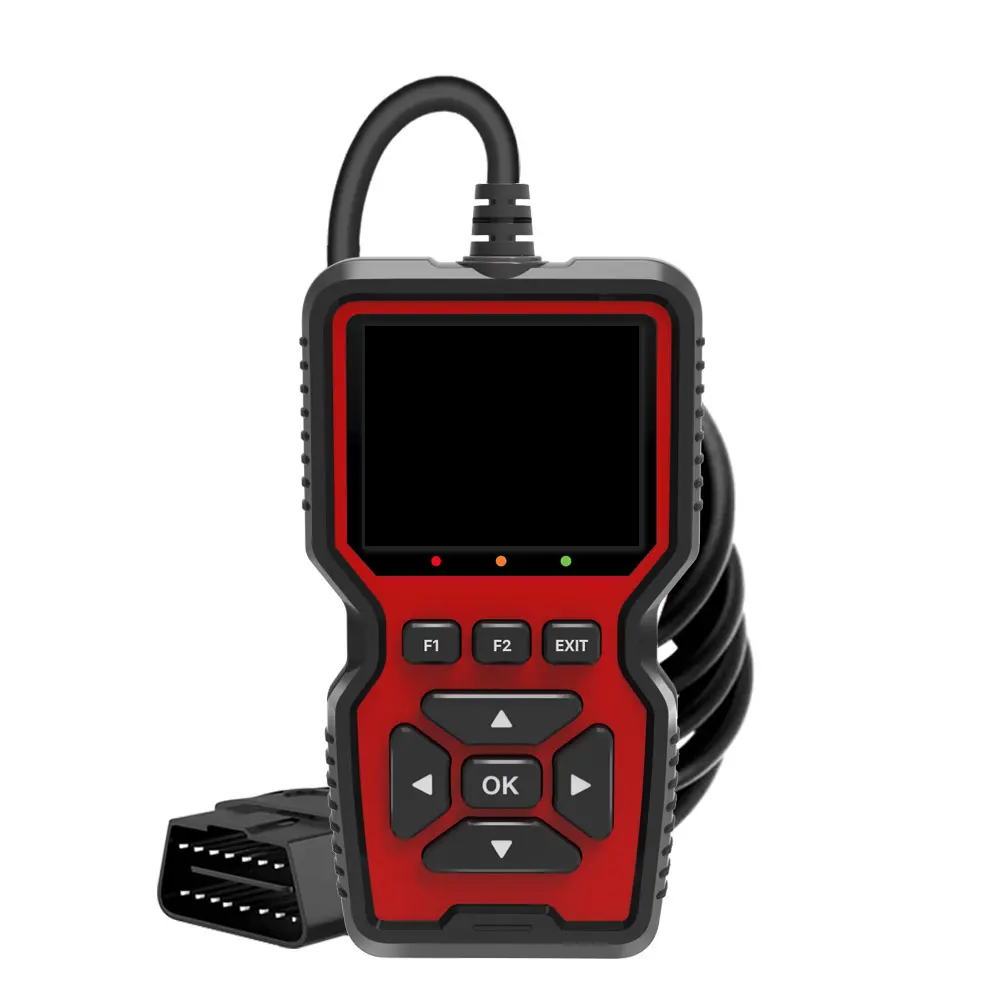
- OBD-II Scanner Data Acquisition: Connect an OBD-II scanner to the vehicle’s DLC. Read all stored codes and, critically, analyze freeze frame data to understand engine conditions (RPM, load, coolant temperature, fuel trims) when the misfire occurred. Use live data to monitor misfire counts specifically for cylinder #12. Pay attention to short-term (STFT) and long-term (LTFT) fuel trims, which can indicate if the engine is running rich or lean.
- Visual Inspection:
- Carefully inspect the ignition coil (and spark plug wire, if present) for cylinder #12 for any signs of physical damage, arcing, corrosion, or burnt insulation.
- Check the electrical connector to the ignition coil and fuel injector for cylinder #12 for looseness, corrosion, or damaged pins.
- Inspect for obvious vacuum leaks around the intake manifold, PCV system hoses, and any other vacuum lines in the vicinity of cylinder #12. Listen for hissing sounds with the engine running.
- Spark Plug Inspection and Swap Test:
- Remove the spark plug from cylinder #12. Inspect its condition: look for signs of fouling (oil, carbon, fuel), electrode wear, or a cracked porcelain insulator. Compare its appearance to a known good plug.
- As a diagnostic step, swap the spark plug from cylinder #12 with a spark plug from a known good, adjacent cylinder. Clear the codes and run the engine. If the misfire code (e.g., P0311 or P0313) now follows the spark plug to the new cylinder, the original spark plug was faulty.
- Ignition Coil Test and Swap Test:
- If individual coil-on-plug (COP) units are used, with the engine idling, carefully disconnect the electrical connector to the ignition coil for cylinder #12. If there is no change in engine idle quality, it suggests the coil was already not firing effectively. Reconnect immediately.
- Swap the ignition coil from cylinder #12 with a coil from a known good cylinder. Clear codes and run the engine. If the misfire code now follows the coil to the new cylinder, the original ignition coil is faulty.
- For more advanced testing, use a digital multimeter (DMM) to check the primary and secondary resistance of the ignition coil, comparing values to manufacturer specifications and known good coils.
- Fuel Injector Test and Swap Test:
- Use a stethoscope to listen to the clicking sound of the fuel injector for cylinder #12. Compare its sound to other cylinders; a weak or absent click may indicate a faulty injector.
- Perform a fuel pressure test at the fuel rail to ensure the entire fuel system is supplying adequate pressure.
- Using a DMM, check the electrical resistance of the fuel injector for cylinder #12 and compare it to manufacturer specifications and other injectors. An out-of-spec reading indicates an electrical fault.
- Connect a noid light to the fuel injector harness connector for cylinder #12 (with the engine cranking or running, if safe) to confirm the ECM is sending a proper pulse.
- If electrical tests are inconclusive, swap the fuel injector from cylinder #12 with one from a known good cylinder. Clear codes and run the engine. If the misfire code now follows the injector, the original injector is faulty.
- Compression Test:
- If ignition and fuel system components for cylinder #12 check out, perform a dry and then a wet compression test on cylinder #12. Compare results to manufacturer specifications and readings from adjacent cylinders. A significantly lower reading indicates a mechanical issue within the cylinder (e.g., worn piston rings, damaged valves, head gasket failure).
- Leak-Down Test:
- If the compression test indicates low compression, perform a leak-down test on cylinder #12. This test will help pinpoint the exact source of the compression loss (e.g., air escaping from the exhaust indicates exhaust valve issue, intake indicates intake valve issue, crankcase indicates piston ring issue, coolant reservoir indicates head gasket issue).
- ECM and Wiring Integrity:
- As a final step, if all other components test good, inspect the wiring harness for cylinder #12’s ignition coil and fuel injector back to the ECM for continuity, shorts to ground/power, or open circuits.
- Rarely, a faulty ECM itself could be the cause.
Recommended Repairs and Solutions
Once the root cause of the P0312 code has been accurately identified through thorough diagnostics, the appropriate repair can be made:
- Spark Plug Replacement: If the spark plug for cylinder #12 is found to be faulty, replace it. It’s often prudent to replace all spark plugs if they are near or past their service interval. Ensure correct type and gap are used.
- Ignition Coil Replacement: Replace the defective ignition coil for cylinder #12. If the vehicle has high mileage, consider replacing all coils on that bank or all coils to prevent future misfires, as coils often age similarly.
- Fuel Injector Service or Replacement: If the fuel injector for cylinder #12 is clogged, an ultrasonic cleaning service may be attempted, but often, direct replacement is the most reliable solution for a faulty injector. Ensure new O-rings are used during installation.
- Vacuum Leak Repair: Locate and seal any vacuum leaks by replacing faulty intake manifold gaskets, damaged PCV hoses, or other compromised vacuum lines.
- Fuel System Component Replacement: If low fuel pressure is diagnosed, replace the faulty fuel pump, clogged fuel filter, or defective fuel pressure regulator as necessary.
- Engine Mechanical Repair: If low compression or internal engine damage is the culprit, this typically requires more extensive and costly repairs, such as a valve job, piston ring replacement, or head gasket replacement.
- Wiring Harness Repair: Repair or replace any damaged or corroded wiring in the circuit leading to the cylinder #12 ignition coil or fuel injector.
Mechanic’s Tips:
- Always consult Technical Service Bulletins (TSBs) for your specific vehicle make and model, as manufacturers often release information about known misfire issues.
- After any repair, clear the diagnostic trouble codes and perform a comprehensive test drive under varying engine loads and speeds to confirm the fix and ensure all readiness monitors reset.
- When replacing components, especially on high-mileage engines, consider the age and condition of surrounding components. For example, if one ignition coil fails, others may not be far behind.
- Always torque spark plugs and coil pack fasteners to manufacturer specifications to prevent future damage or misfires.
- For intermittent misfires that are difficult to pinpoint, consider using a specialized misfire monitor on your scanner capable of displaying misfire counts per cylinder in real-time.