What Does Code P0208 Mean?
The diagnostic trouble code P0208 signifies an “Injector Circuit Malfunction – Cylinder 8.” This code is set by the Powertrain Control Module (PCM) or Engine Control Module (ECM) when it detects an electrical anomaly within the control circuit of the fuel injector assigned to cylinder #8. The ECM/PCM continuously monitors the voltage and current characteristics of each fuel injector circuit. During normal operation, when the ECM commands the injector to open (fire), it expects a distinct voltage drop and current flow. Conversely, when the ECM commands the injector closed, it expects a corresponding rise in voltage. If the ECM/PCM detects an abnormal resistance, an open circuit (no current flow), a short to ground (excessive current flow, low voltage), or a short to voltage (constant voltage, inability to drop), it identifies a circuit malfunction for that specific injector. This directly impacts the fuel delivery system for cylinder #8, leading to an imbalance in the air-fuel mixture and often resulting in a misfire condition for that cylinder.
Common Symptoms
- Check Engine Light (CEL) Illumination: The most immediate indicator, signaling a detected fault.
- Engine Misfire: Noticeable uneven running, especially at idle or under load, due to improper or absent fuel delivery to cylinder 8.
- Rough Idling: The engine may shake or vibrate excessively at idle speeds.
- Reduced Engine Performance: Loss of power, sluggish acceleration, and overall diminished driving experience.
- Poor Fuel Economy: If the ECM attempts to compensate for the misfire by altering fuel trims or if raw fuel is passed unburnt.
- Raw Fuel Smell from Exhaust: Indicative of an injector stuck open or leaking, leading to unburnt fuel exiting the exhaust.
- Black Smoke from Exhaust: May occur if the injector is excessively rich or stuck open.
- Difficulty Starting: Less common, but possible if the malfunction severely impacts combustion stability.
What Causes the Code P0208?
- Faulty Fuel Injector (Cylinder 8): An internal electrical fault within the injector itself, such as an open circuit in the coil, a shorted coil, or excessive resistance.
- Wiring Harness Issues:
- An open circuit in the power supply wire or the control wire to the cylinder 8 injector.
- A short to ground in either the power or control wire.
- A short to voltage in the control wire.
- Chafed, damaged, or corroded wiring insulation leading to unintended contact.
- Corroded or Loose Connectors: Poor electrical connection at the cylinder 8 injector connector or at the ECM/PCM harness connector due to corrosion, bent pins, or insufficient terminal tension.
- Failed Injector Driver in ECM/PCM: Less common, but the internal electronic circuit within the ECM/PCM responsible for controlling the cylinder 8 injector may have failed.
- High Resistance in Circuit: Can be caused by aging wiring, poor terminal contact, or minor corrosion not immediately visible.
How to Diagnose and Troubleshoot
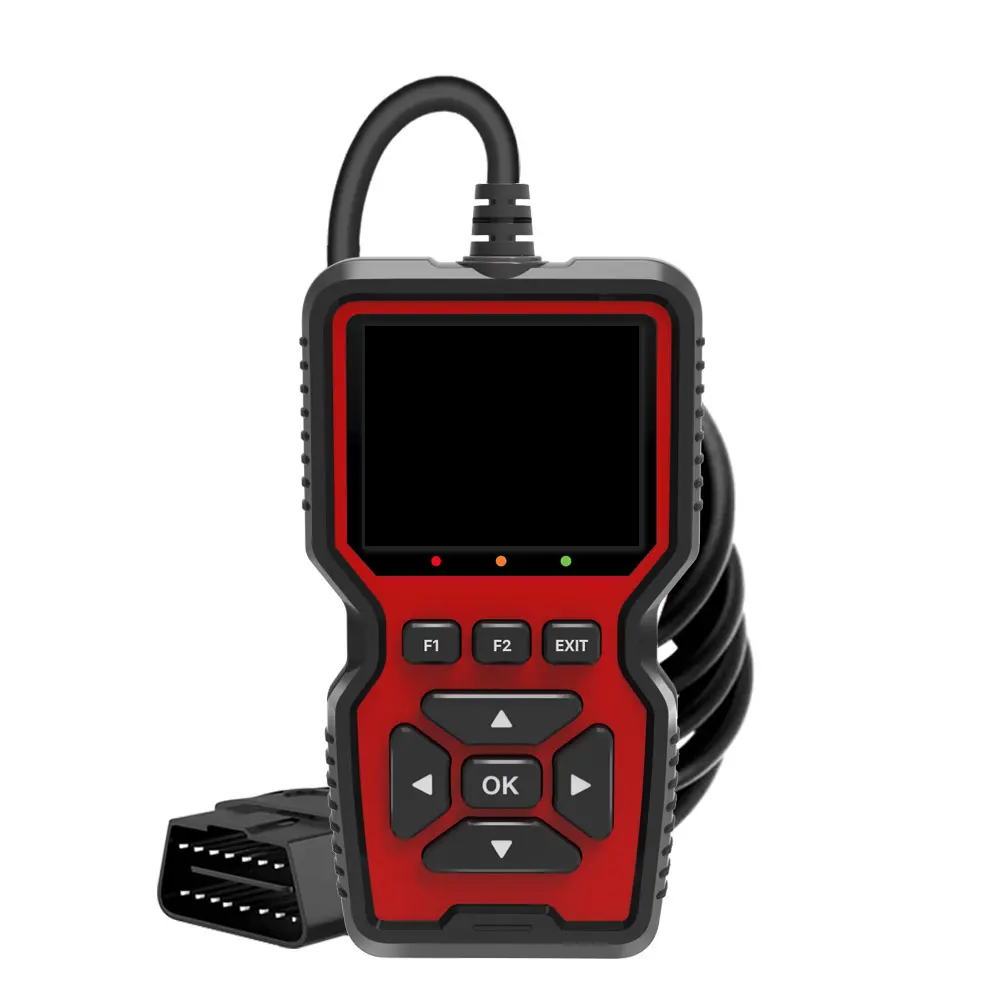
Diagnosing P0208 requires a systematic approach using a digital multimeter (DMM), an OBD-II scanner, and careful visual inspection.
- Verify Code and Related DTCs: Use an OBD-II scanner to confirm P0208 is present. Check for any accompanying misfire codes (e.g., P0308) or other fuel system-related codes. Clear codes to see if P0208 immediately returns upon engine start or during a test drive.
- Visual Inspection:
- Inspect the wiring harness leading to the cylinder 8 fuel injector. Look for signs of chafing, cuts, rodent damage, or any visible breaks in the insulation.
- Carefully examine the electrical connector at cylinder 8’s injector for corrosion, bent pins, pushed-back terminals, or improper seating. Ensure the locking tab is engaged.
- Trace the harness back towards the ECM/PCM as much as feasible, looking for similar issues.
- Electrical Testing of Injector (Ignition OFF, Injector Disconnected):
- Disconnect the electrical connector from the cylinder 8 fuel injector.
- Using a DMM set to ohms, measure the resistance across the two terminals of the injector itself. Compare this reading to manufacturer specifications (typically 10-16 ohms for most port fuel injectors, but consult service data). An “OL” (open loop) reading indicates an open circuit, and a reading near 0 ohms indicates a short circuit, both pointing to a faulty injector.
- Check for continuity between either injector terminal and ground. There should be no continuity (OL reading). If continuity exists, it suggests an internal short within the injector.
- Electrical Testing of Injector Circuit (Ignition ON, Engine OFF, Injector Disconnected):
- Identify the power supply wire and the control wire at the injector harness connector (consult wiring diagrams).
- Set the DMM to measure DC volts. With the ignition ON (engine OFF), measure the voltage on the power supply wire at the connector relative to a known good ground. You should read battery voltage (B+). If no voltage, trace the power supply circuit, checking fuses and relays.
- Measure the voltage on the control wire at the connector relative to ground. It should typically be floating or show a low voltage, but not battery voltage unless there’s a short to voltage.
- Using the DMM set to ohms, check for continuity between the control wire terminal and chassis ground. There should be no continuity (OL reading). If continuity exists, there’s a short to ground in the control wire circuit.
- Check for continuity between the control wire terminal and the B+ power wire terminal. There should be no continuity (OL reading). If continuity exists, there’s a short to voltage in the control wire or internal harness.
- Injector Pulse Test:
- Reconnect all other injectors. Disconnect the cylinder 8 injector.
- Connect an injector noid light to the cylinder 8 injector harness connector.
- Crank the engine. The noid light should flash, indicating the ECM/PCM is sending a control pulse. If it doesn’t flash, the issue lies in the wiring from the ECM/PCM or the ECM/PCM driver itself. If it flashes, the electrical signal from the ECM is present, suggesting the original injector was faulty.
- For advanced diagnostics, an oscilloscope can be used to observe the actual injector waveform for proper voltage spikes and current ramps, providing a more detailed analysis of the circuit’s health.
- Injector Swap Test (if accessible): If all electrical tests on the injector and circuit appear normal, and the noid light flashes, you can swap the cylinder 8 injector with a known good injector from another cylinder (e.g., cylinder 6 or 7). Clear the codes and run the engine. If the P0208 code moves to the cylinder you swapped from (e.g., P0206), then the original injector is confirmed faulty.
Recommended Repairs and Solutions
Once the root cause of P0208 has been precisely identified through the diagnostic steps, the following repairs are typically performed:
- Replace Faulty Fuel Injector: If the injector’s internal resistance test or the swap test confirms it’s defective, replace the cylinder 8 fuel injector. Always use high-quality, OEM-equivalent parts. When installing, ensure new O-rings are lubricated with clean engine oil or petroleum jelly to prevent damage and ensure a proper seal.
- Repair or Replace Wiring Harness: If the diagnostic process reveals an open circuit, short to ground, short to voltage, or physical damage to the wiring harness, perform a professional repair. Use appropriate gauge wire, solder connections, and seal with heat-shrink tubing to ensure a durable and weatherproof repair. In cases of extensive damage, replacing the entire sub-harness may be more practical.
- Clean and Secure Connectors: For corroded or loose connectors, use a specialized electrical contact cleaner to remove corrosion from the terminals. Carefully use a pick to restore proper tension to any splayed terminals. Apply a small amount of dielectric grease to the terminals to prevent future corrosion and ensure a robust connection. Ensure the connector is fully seated and locked into place.
- ECM/PCM Replacement: This is a last resort repair. If all wiring, connector, and injector tests are conclusive that the issue is not external, and an oscilloscope confirms no control signal from the ECM/PCM, then the internal injector driver for cylinder 8 within the ECM/PCM is likely faulty. ECM/PCM replacement often requires programming or “flashing” to the specific vehicle, which should be performed by a qualified technician with appropriate tools.
- Clear Codes and Test Drive: After completing any repair, clear the DTCs using an OBD-II scanner. Perform an extensive test drive under varying load conditions to confirm the repair. Monitor live data for misfires on cylinder 8 and ensure the P0208 code does not return.