What Does Code P0207 Mean?
The diagnostic trouble code P0207 signifies an “Injector Circuit Malfunction – Cylinder 7.” This code is set by the Engine Control Module (ECM) or Powertrain Control Module (PCM) when it detects an electrical anomaly within the control circuit of the fuel injector for cylinder #7. Modern ECMs continuously monitor the electrical characteristics of each fuel injector circuit, including resistance, current flow, and voltage drop, during the injector’s energization cycle. When the ECM commands the cylinder #7 injector to fire, it expects to see a specific electrical response. If the observed electrical parameters deviate significantly from the factory specifications – indicating an open circuit, a short to ground, a short to voltage, or an out-of-range resistance – the ECM registers this discrepancy as a fault and sets P0207. This code specifically points to an electrical integrity issue, not necessarily a mechanical blockage or fuel delivery problem with the injector itself, although such an electrical fault will directly prevent proper fuel delivery to cylinder #7. The affected subsystem is the electronic fuel injection system, focusing on the electrical control path to the specified injector.
Common Symptoms
- Check Engine Light (MIL) Illumination: The most immediate and common indicator.
- Engine Misfire: Noticeable rough running, especially at idle, due to cylinder #7 not receiving fuel or receiving it erratically.
- Reduced Engine Performance: Loss of power and poor acceleration.
- Rough Idle or Stalling: The engine may idle roughly or stall, particularly in open-loop operation or at low RPMs.
- Increased Fuel Consumption: The ECM may try to compensate for the misfiring cylinder, leading to an overall richer mixture or unburnt fuel passing through the exhaust.
- Fuel Odor from Exhaust: If the injector is stuck open or leaking, raw fuel may enter the exhaust, leading to a strong fuel smell.
- Hesitation or Stumble: The vehicle may hesitate or stumble under acceleration.
What Causes the Code P0207?
- Faulty Fuel Injector (Cylinder 7): The most common cause. This includes an internal open circuit in the injector coil, a short circuit within the injector, or degradation of the injector’s internal resistance.
- Wiring Harness Issues:
- Open Circuit: A break in the power supply wire or the control wire leading to cylinder #7 injector.
- Short Circuit to Ground: The control wire or power wire for injector #7 contacting chassis ground.
- Short Circuit to Voltage: The control wire for injector #7 contacting a constant power source.
- Damaged Wiring: Frayed, pinched, melted, or corroded wiring in the harness segment connected to injector #7.
- Poor Electrical Connection: Loose, corroded, or damaged pins within the injector #7 electrical connector or at the ECM/PCM connector where the injector circuit terminates.
- Faulty Engine Control Module (ECM/PCM): Although less common, a failed injector driver circuit within the ECM/PCM for cylinder #7 can cause this code. This is usually considered after all other possibilities have been ruled out.
How to Diagnose and Troubleshoot
Accurate diagnosis of P0207 requires systematic electrical testing and visual inspection. Always begin by clearing the code and attempting to reproduce it to confirm the fault is active.
- OBD-II Scan Tool Examination:
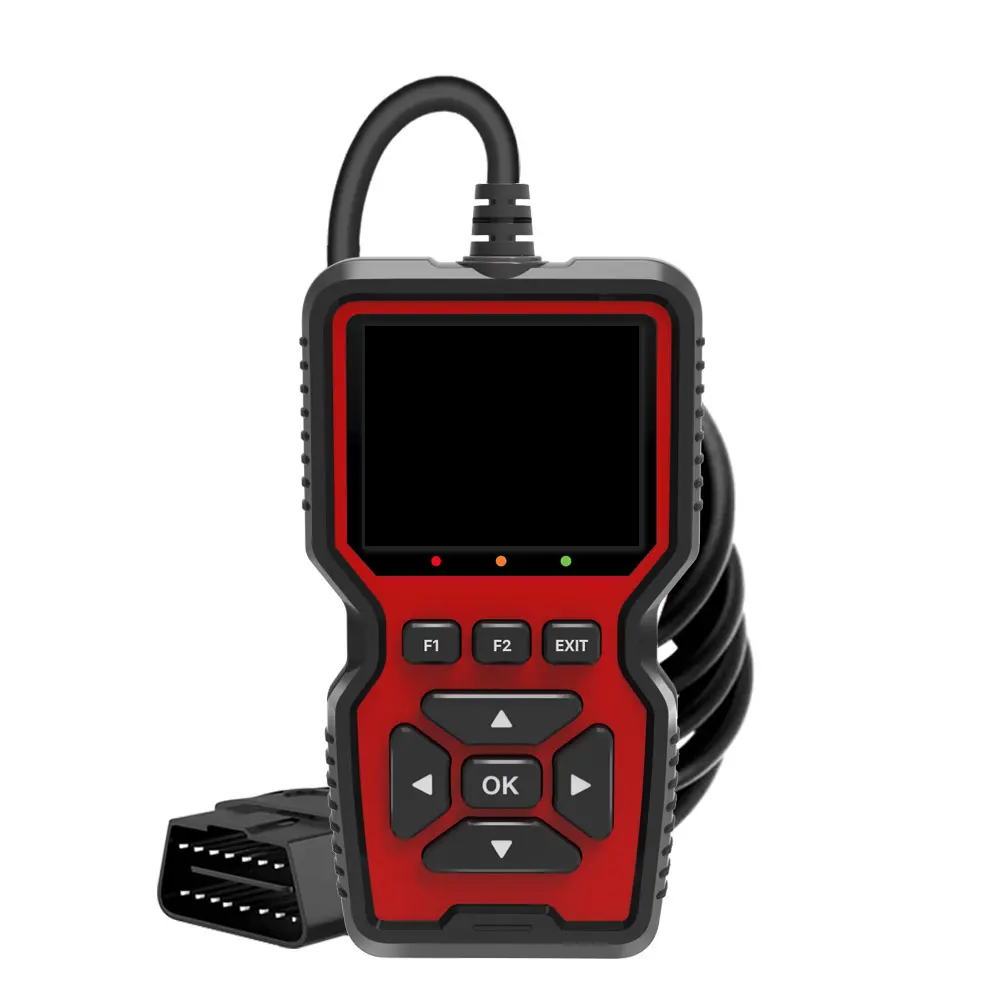
- Connect a professional-grade scan tool and confirm P0207 is present.
- Check for any accompanying misfire codes (e.g., P0307) or other related fuel system codes.
- Review Freeze Frame Data to understand engine conditions (RPM, load, temperature, fuel trims) at the time the code was set. This provides valuable context.
- If possible, monitor live data for injector pulse width for cylinder #7. An open circuit might show zero pulse width, while a short could show erratic or continuous activity.
- Visual Inspection:
- With the ignition OFF and battery disconnected, carefully inspect the wiring harness leading to the cylinder #7 fuel injector. Look for any signs of physical damage, chafing, cuts, rodent damage, or corrosion on the wires or connector.
- Inspect the injector #7 electrical connector itself for bent, pushed-out, or corroded pins. Ensure it is securely seated on the injector.
- Check for any visible damage or signs of leakage around the injector body.
- Electrical Testing with a Digital Multimeter (DMM):
- Injector Resistance Test: Disconnect the electrical connector from injector #7. Using a DMM set to ohms, measure the resistance across the two terminals of the injector itself. Compare this reading to the manufacturer’s specification (typically 10-16 ohms for high-impedance injectors, or 1-3 ohms for low-impedance). An “OL” (Open Line) reading indicates an open circuit within the injector, while a significantly lower-than-spec reading suggests an internal short.
- Power Supply Test: Reconnect the injector connector. With the ignition ON (engine OFF), backprobe the power supply terminal of the injector connector (often the wire common to all injectors). Use your DMM set to DC volts, with the negative lead on a known good chassis ground. You should read battery voltage (approx. 12V). If no voltage, check the relevant fuse in the fuse box or the fuel injector relay.
- Control Circuit Continuity and Short Test:
- Continuity: Disconnect both the injector #7 connector and the ECM/PCM connector. Using the DMM set to ohms, check for continuity between the control wire terminal at the injector connector and its corresponding pin at the ECM/PCM connector. A reading near 0 ohms indicates good continuity.
- Short to Ground: With both connectors still disconnected, place the DMM positive lead on the control wire terminal (injector side) and the negative lead on a known good chassis ground. An “OL” reading is expected. A reading near 0 ohms indicates a short to ground.
- Short to Voltage: With the ignition ON (engine OFF) and both connectors disconnected, check for voltage on the control wire. Expected reading is 0V. Any voltage indicates a short to a power source.
- Noid Light Test (Optional but Recommended):
- Disconnect the injector #7 electrical connector and plug a noid light into the connector.
- Crank the engine. If the noid light flashes, the ECM/PCM is sending a control signal and the power supply is present, strongly indicating the injector itself is faulty. If the light does not flash, further investigation into the power supply or the control circuit (wiring, ECM/PCM) is needed.
- Injector Swap Test (If Accessible):
- If diagnostics are inconclusive but suspect the injector, and if injectors are identical and easily swappable, exchange injector #7 with a known good injector from an adjacent cylinder. Clear codes and run the engine. If the code shifts to the new cylinder (e.g., P020X for the cylinder where the potentially faulty injector was moved), then the injector is confirmed faulty. If P0207 remains for cylinder #7, the issue is external to the injector (wiring or ECM/PCM).
Recommended Repairs and Solutions
Based on the diagnostic findings, here are the common repairs:
- Replace Faulty Fuel Injector (Cylinder 7): If the resistance test, noid light test, or swap test confirms the injector itself is internally faulty, replace the fuel injector for cylinder #7. Always use new O-rings and any necessary seals during installation to prevent fuel leaks.
- Repair or Replace Wiring Harness: If visual inspection or electrical continuity tests reveal damaged wiring, an open circuit, or a short circuit, meticulously repair the affected section of the wiring harness. Use appropriate gauge wire, solder connections, and seal with heat-shrink tubing. For extensive damage, replacing the entire segment of the engine wiring harness may be necessary. Ensure proper routing and securement of the harness to prevent future damage.
- Clean or Repair Connectors: If corrosion or poor pin tension is found at the injector or ECM/PCM connectors, clean the terminals thoroughly using specialized electrical contact cleaner and a small pick or brush. Carefully re-tension any spread or loose pins. Replace the connector if severe damage or corrosion prevents a reliable connection.
- ECM/PCM Replacement: This should be a last resort. Only consider ECM/PCM replacement if all other diagnostic steps confirm that the injector driver circuit within the ECM/PCM for cylinder #7 has failed and no external wiring or injector issues are present. ECM replacement typically requires specialized programming and calibration.
Important Mechanics’ Tips:
- Always disconnect the battery negative terminal before performing electrical tests that involve disconnecting components or probing circuits to prevent accidental shorts or damage to sensitive electronic modules.
- When replacing fuel injectors, use OEM (Original Equipment Manufacturer) or high-quality aftermarket components to ensure compatibility and reliability. Cheaper alternatives can often lead to premature failure or incorrect fuel delivery.
- After any repair, clear all diagnostic trouble codes using your scan tool. Perform a thorough test drive, covering various engine speeds and loads, to ensure the repair is successful and the code does not return.
- If multiple misfire codes or fuel trim codes are present alongside P0207, prioritize diagnosing and resolving P0207 first, as a complete electrical failure of an injector circuit is a foundational issue that can cause or exacerbate other performance problems.
- Be aware of the control strategy: on most vehicles, injectors receive constant battery voltage, and the ECM grounds the control wire to “fire” the injector. Understanding this helps in knowing what to look for when testing for power and ground pulses.