What Does Code P0311 Mean?
The OBD-II diagnostic trouble code P0311 signifies that the Powertrain Control Module (PCM), often referred to as the Engine Control Module (ECM), has detected a misfire condition specifically in Cylinder 11. The PCM continuously monitors the rotational speed of the crankshaft via the Crankshaft Position (CKP) sensor. During the normal combustion process, each cylinder contributes a specific acceleration to the crankshaft during its power stroke. When a misfire occurs, the combustion in that cylinder is incomplete or absent, resulting in a noticeable deceleration or lack of acceleration of the crankshaft during that cylinder’s power stroke.
The PCM compares the rotational speed variation for each cylinder against a learned baseline and a calibrated threshold. If the variation for Cylinder 11 exceeds this threshold multiple times within a specific number of engine revolutions (e.g., 200 or 1000 revolutions), the PCM registers a misfire. Persistent misfires within a critical window can cause the Malfunction Indicator Lamp (MIL), or “Check Engine” light, to illuminate. If the misfire is severe enough to potentially cause catalytic converter damage due to excessive unburnt fuel entering the exhaust, the MIL may flash, indicating an urgent need for attention.
This code directly affects engine performance, fuel efficiency, and exhaust emissions. A P0311 typically indicates an issue localized to the combustion process within cylinder 11, specifically related to the air/fuel mixture, ignition, or compression for that cylinder.
Common Symptoms
- Rough Idling: The engine may feel shaky, vibrate excessively, or run unevenly, particularly at idle speeds.
- Reduced Engine Power: A noticeable decrease in acceleration, horsepower, and overall engine responsiveness.
- Poor Fuel Economy: Unburnt fuel due to the misfire can lead to increased fuel consumption.
- Engine Hesitation or Stumbling: The vehicle may experience jerking or a momentary loss of power under acceleration or load.
- Illuminated or Flashing Malfunction Indicator Lamp (MIL): The “Check Engine” light will illuminate steadily, and may flash rapidly if the misfire is severe enough to risk catalytic converter damage.
- Smell of Unburnt Fuel: A strong odor of gasoline may be detected from the exhaust pipe, particularly during cold starts or prolonged idling, as raw fuel passes through the exhaust system.
What Causes the Code P0311?
- Faulty Ignition System Component (Cylinder 11): This is one of the most common causes.
- Worn, fouled, or incorrectly gapped spark plug for cylinder 11.
- Defective ignition coil for cylinder 11 (common in coil-on-plug systems).
- Damaged or degraded spark plug wire/boot for cylinder 11 (if applicable).
- Fuel Delivery Issues (Cylinder 11):
- Clogged, dirty, or malfunctioning fuel injector for cylinder 11, leading to an insufficient or incorrect spray pattern of fuel.
- Low overall fuel pressure (less common for a single cylinder, but can exacerbate a weak injector).
- Contaminated or incorrect fuel type.
- Engine Mechanical / Compression Issues (Cylinder 11):
- Low engine compression in cylinder 11 due to worn piston rings, a damaged piston, or a compromised cylinder bore.
- Valvetrain problems, such as a burnt, bent, or sticking valve (intake or exhaust), a weak or broken valve spring, or a worn camshaft lobe affecting cylinder 11.
- Head gasket failure between cylinder 11 and an adjacent cylinder or a coolant/oil passage.
- Air/Vacuum Leaks:
- Vacuum leak in the intake manifold gasket or an associated vacuum hose near cylinder 11, causing an overly lean air-fuel mixture for that cylinder.
- Faulty PCV (Positive Crankcase Ventilation) system components.
- Electrical/Wiring Problems:
- Damaged, corroded, or loose wiring harness or connector for the cylinder 11 ignition coil or fuel injector.
- Intermittent electrical connection at the PCM for the cylinder 11 circuit.
- Engine Control Module (ECM/PCM) Fault: While less common for a single-cylinder specific misfire without other DTCs, an internal PCM fault could potentially misinterpret signals or fail to command the ignition or injection properly for cylinder 11.
How to Diagnose and Troubleshoot
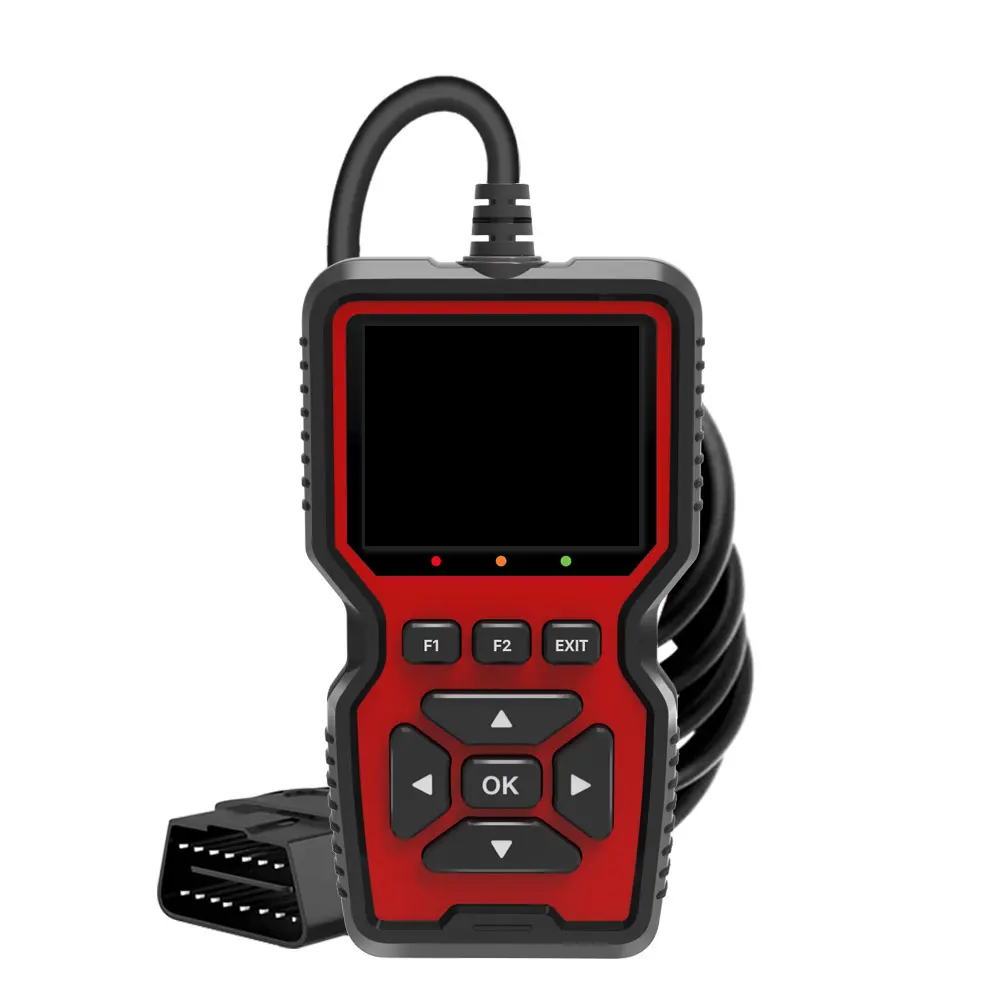
Diagnosing a P0311 requires a systematic approach, often utilizing an OBD-II scanner and a digital multimeter (DMM).
- Initial Scan and Data Analysis:
- Connect an OBD-II scanner. Record any other stored or pending Diagnostic Trouble Codes (DTCs), especially those related to fuel trim (P0171, P0174) or other misfires.
- Review freeze frame data to understand the engine conditions (RPM, engine load, coolant temperature, etc.) when the P0311 code was set.
- Monitor live data for misfire counters for all cylinders. Confirm that cylinder 11 shows significantly higher misfire counts compared to others. Also, observe fuel trims (Short Term Fuel Trim – STFT and Long Term Fuel Trim – LTFT) for both banks.
- Visual Inspection:
- Visually inspect the ignition coil, spark plug wire (if applicable), and connector for cylinder 11 for any signs of damage, corrosion, arcing, or oil contamination.
- Check for loose or cracked vacuum lines, particularly those connected to the intake manifold near cylinder 11.
- Inspect the fuel injector wiring and connector for cylinder 11 for any fraying or damage.
- Ignition System Diagnosis:
- Spark Plug Inspection/Replacement: Remove the spark plug from cylinder 11. Inspect its condition (fouling, wear, carbon deposits, proper gap). Compare its appearance to a known good spark plug from another cylinder. Replace if worn or fouled, and ensure correct gapping according to manufacturer specifications. Consider replacing all spark plugs if they are due for maintenance.
- Ignition Coil Swap Test: If the vehicle uses coil-on-plug (COP) ignition, swap the cylinder 11 ignition coil with a known good coil from an adjacent cylinder (e.g., cylinder 10 or 12). Clear codes, run the engine, and re-check misfire counters. If the misfire moves to the cylinder where the swapped coil was installed, the coil is faulty.
- Spark Test: Use an in-line spark tester or carefully ground a removed spark plug to confirm a strong, consistent spark from the cylinder 11 ignition coil/wire.
- Fuel System Diagnosis:
- Fuel Injector Swap Test: Carefully swap the cylinder 11 fuel injector with an injector from another cylinder. (Caution: This requires depressurizing the fuel system and careful handling. Replace O-rings upon reinstallation). Clear codes, run the engine, and re-check misfire counters. If the misfire moves with the injector, the injector is faulty.
- Noid Light Test: Use a noid light to verify that the PCM is sending a pulse signal to the cylinder 11 fuel injector. If there’s no pulse, check wiring between the PCM and injector.
- Fuel Pressure Test: Connect a fuel pressure gauge to the fuel rail. Verify that fuel pressure is within manufacturer specifications. While typically affecting all cylinders, low fuel pressure can exacerbate a weak injector.
- Injector Resistance Test: Using a DMM, measure the resistance of the cylinder 11 fuel injector and compare it to specifications and other injectors. An out-of-spec reading indicates an internal fault.
- Engine Mechanical Diagnosis:
- Compression Test: Perform a wet and dry compression test on cylinder 11. Compare the readings to the manufacturer’s specifications and to adjacent cylinders. A significantly lower reading indicates internal engine damage.
- Leak-Down Test: If the compression test yields low results, perform a leak-down test on cylinder 11. This test helps pinpoint the source of compression loss (e.g., intake valve, exhaust valve, piston rings, or head gasket).
- Electrical System & PCM:
- Using a DMM, check for proper voltage supply to the ignition coil and fuel injector for cylinder 11.
- Test continuity and resistance of the signal wires between the PCM and the cylinder 11 ignition coil and fuel injector. Look for open circuits, shorts, or excessive resistance.
- Only consider PCM diagnosis or replacement after thoroughly ruling out all other components. This typically involves advanced diagnostic tools and potentially flashing new software.
Recommended Repairs and Solutions
Based on the diagnosis, the following repairs and solutions are commonly recommended for a P0311 code:
- Spark Plug Replacement: If the spark plug for cylinder 11 is fouled, worn, or incorrectly gapped, replace it. It is often good practice to replace all spark plugs if they are near their service interval.
- Ignition Coil Replacement: If the ignition coil for cylinder 11 is identified as faulty (e.g., via a swap test), replace it. Depending on the vehicle’s mileage and maintenance history, consider replacing all coils as a preventative measure if they are original and aging.
- Fuel Injector Cleaning or Replacement: If the fuel injector for cylinder 11 is clogged or faulty, it may be possible to clean it with specialized equipment. However, replacement with a new or reconditioned injector is often the more reliable solution. Always replace O-rings and seals when servicing injectors.
- Repair Vacuum Leaks: Locate and meticulously repair any identified vacuum leaks, which may involve replacing intake manifold gaskets, PCV hoses, or other vacuum lines.
- Address Engine Mechanical Issues: If compression or leak-down tests indicate internal engine damage, more extensive repairs will be required. This could include a valve job, cylinder head repair/replacement, piston ring replacement, or head gasket replacement. These are generally the most labor-intensive and costly repairs.
- Wiring Harness Repair: Repair any damaged, corroded, or loose wiring or connectors associated with cylinder 11’s ignition coil or fuel injector circuits. Ensure all connections are clean and secure.
- PCM Reprogramming or Replacement: If all other components are verified to be functioning correctly and the P0311 persists, a PCM software update or replacement might be necessary. This requires specialized programming tools and should be performed by a qualified technician or dealership. This is typically a last resort.
After any repair, clear the DTCs from the PCM using an OBD-II scanner. Perform a thorough test drive under various engine loads and speeds to confirm the misfire condition has been resolved and the P0311 code does not return. Monitor live data for misfire counts and readiness monitors to ensure the repair was successful.