What Does Code P0776 Mean?
DTC P0776 signifies that the Powertrain Control Module (PCM) or Transmission Control Module (TCM) has detected a performance issue with the “B” Pressure Control Solenoid within the automatic transmission. This specific solenoid is integral to the transmission’s hydraulic system, responsible for regulating hydraulic pressure to various clutch packs and bands, thereby controlling the engagement and disengagement of specific gear ratios. The PCM/TCM monitors the actual current draw and functional response of this solenoid against its commanded parameters. When the actual performance (e.g., resulting pressure, shift timing, or solenoid current feedback) deviates from the expected range for a calibrated period, the module interprets this as a performance fault rather than a simple electrical circuit malfunction (like an open or short) and sets P0776. This typically indicates the solenoid is not operating efficiently, leading to incorrect hydraulic pressure delivery to the components it controls, most often affecting specific gear shifts or torque converter lock-up.
Common Symptoms
- Harsh or Delayed Shifts: The transmission may engage gears roughly, abruptly, or with a noticeable delay, particularly during shifts related to the affected solenoid’s operation.
- Transmission Slipping: During acceleration, the engine RPM may increase without a corresponding increase in vehicle speed, indicating a loss of power transfer due to insufficient clutch engagement.
- Transmission Entering “Limp Mode”: The transmission may default to a failsafe mode (often stuck in 2nd or 3rd gear) to prevent further damage, severely limiting vehicle speed and performance.
- Check Engine Light (CEL) Illumination: The Malfunction Indicator Lamp will illuminate on the dashboard.
- Reduced Fuel Economy: Inefficient shifting or prolonged slipping can lead to increased fuel consumption.
- Transmission Overheating: Excessive slipping of clutch packs generates heat, which can lead to elevated transmission fluid temperatures and potential long-term damage.
What Causes the Code P0776?
- Faulty Pressure Control Solenoid “B”: The solenoid itself may have an internal electrical fault (e.g., increased resistance, intermittent connection) or a mechanical issue causing it to stick, clog, or fail to actuate correctly.
- Contaminated Transmission Fluid: Sludge, metallic debris, or other contaminants in the transmission fluid can clog the solenoid’s filter screen or the valve body passages, impeding its proper operation.
- Low Transmission Fluid Level: Insufficient fluid can lead to inadequate hydraulic pressure throughout the system, affecting solenoid function and overall transmission operation.
- Internal Transmission Mechanical Failure: Worn or damaged clutch packs, seals, bands, or other internal hard parts can prevent proper pressure application even if the solenoid is functioning correctly.
- Faulty Transmission Valve Body: Wear in the valve body bores, sticking valves, or debris within the valve body can prevent correct hydraulic pressure regulation.
- Wiring and Connector Issues: Damaged, corroded, or loose wiring and connectors leading to the pressure control solenoid or the TCM/PCM can cause intermittent or incorrect signals.
- Faulty PCM/TCM: While less common, a defective Powertrain Control Module or Transmission Control Module could incorrectly command the solenoid or misinterpret its feedback, leading to the code.
How to Diagnose and Troubleshoot
Diagnosing P0776 requires a methodical approach, often involving specialized tools and a thorough understanding of transmission hydraulics and electronics:
- Perform a Comprehensive OBD-II Scan and Freeze Frame Data Analysis:
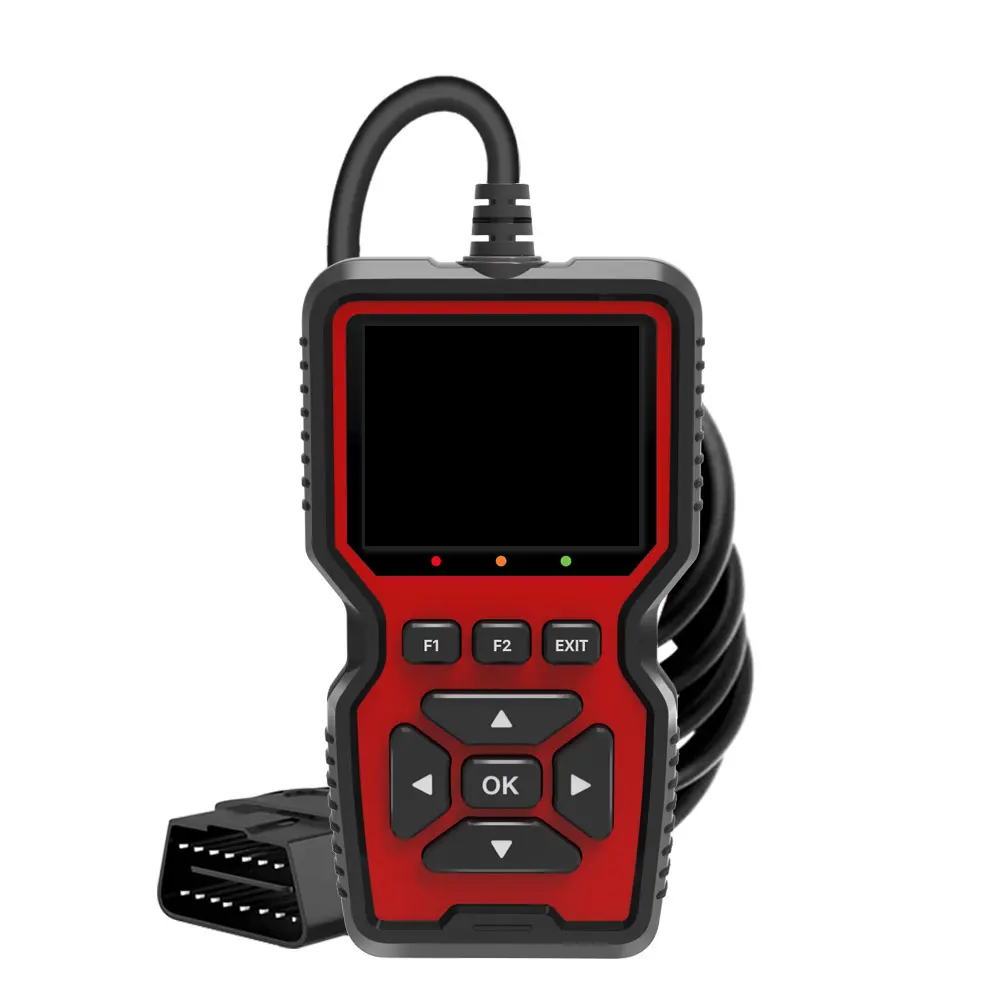
- Connect a professional-grade scan tool to the vehicle’s OBD-II port. Confirm P0776 is present and check for any other related or pending diagnostic trouble codes (DTCs) which might provide additional context.
- Analyze the freeze frame data associated with P0776. This data captures engine speed, vehicle speed, transmission fluid temperature, commanded gear, and other relevant parameters at the exact moment the fault was set. This information can help identify the conditions under which the solenoid performance issue occurs.
- Inspect Transmission Fluid Condition and Level:
- With the vehicle on a level surface and the engine running at operating temperature (per manufacturer specifications, as some require the engine off/cold), check the transmission fluid level using the dipstick (if equipped). Low fluid can cause numerous transmission problems.
- Inspect the fluid’s color and smell. Healthy fluid is typically red or pink and has a slightly sweet odor. Brown or black fluid with a burnt smell indicates severe contamination or overheating.
- Observe any metallic particles or debris on the dipstick or in the fluid, which could indicate internal mechanical wear.
- Conduct an Electrical Inspection of Solenoid “B” and Related Circuitry:
- Locate Pressure Control Solenoid “B.” This usually requires dropping the transmission pan and removing the valve body assembly. Refer to the vehicle’s service manual for the exact location and identification.
- Visually inspect the solenoid’s wiring harness and connector for any signs of damage, fraying, corrosion, or loose connections.
- Using a Digital Multimeter (DMM), measure the resistance of Solenoid “B” across its terminals. Compare the reading to manufacturer specifications (typically a few ohms, e.g., 1-20 ohms). An open circuit (OL) or a resistance significantly outside the specified range indicates an internal solenoid fault.
- With the solenoid disconnected, check for continuity between the solenoid’s circuit wires and ground using the DMM. There should be no continuity, indicating no short to ground in the wiring.
- If possible, and with proper caution, back-probe the solenoid connector while it’s connected to the TCM/PCM to monitor the commanded voltage/current signal during operation (this often requires an oscilloscope or advanced scan tool capable of live solenoid duty cycle monitoring).
- Perform Live Data Analysis with a Scan Tool (Advanced):
- If your scan tool supports it, monitor live data parameters related to transmission solenoid operation. Look for commanded solenoid duty cycle or current, actual solenoid current, line pressure, and gear ratio.
- Observe if Solenoid “B”‘s commanded value closely matches its actual feedback value. Significant discrepancies, especially under conditions where the freeze frame data indicated the fault occurred, point to a performance issue.
- Monitor transmission line pressure sensor readings (if available) to see if pressure corresponds to commanded values during shifts.
- Inspect the Valve Body Assembly:
- If electrical tests for the solenoid pass, and assuming the transmission pan has been removed, carefully inspect the valve body. Look for debris, worn valve bores, or sticking valves within the valve body itself.
- Ensure the solenoid itself is not physically stuck or blocked by foreign material.
Recommended Repairs and Solutions
Once the diagnostic steps have pinpointed the root cause, the following repairs are commonly effective:
- Replace the Pressure Control Solenoid “B”: This is the most frequent resolution for P0776. Ensure to use an OEM or high-quality aftermarket solenoid that matches the vehicle’s specifications. When replacing, be meticulous about cleanliness and proper torque of fasteners.
- Perform a Transmission Fluid and Filter Service: If the transmission fluid is found to be low, dirty, or burnt, a complete fluid and filter replacement is crucial. Ensure to use the correct type of transmission fluid specified by the manufacturer. In cases of severe contamination, a transmission fluid flush (performed by a professional with appropriate equipment) might be considered, though some manufacturers advise against it due to potential dislodgement of debris.
- Repair or Replace Damaged Wiring/Connectors: If the electrical inspection revealed corroded, damaged, or loose wiring or connectors, these must be repaired or replaced to ensure proper electrical continuity and signal integrity to the solenoid.
- Service or Replace the Transmission Valve Body: If the solenoid tests good electrically and mechanically, but the problem persists, the issue may lie within the valve body itself. This could involve cleaning, replacing sticking valves, or in some cases, replacing the entire valve body assembly.
- Address Internal Transmission Mechanical Issues: In rarer instances, if all external and valve body components check out, the code could be indicative of worn clutch packs, seals, or other internal hard parts requiring a more extensive transmission overhaul or replacement.
- PCM/TCM Reprogramming or Replacement: As a last resort, after exhausting all other diagnostic and repair possibilities, if evidence points to an internal control module fault, reprogramming or replacing the PCM/TCM may be necessary.
Important Mechanics’ Tips:
- Always check for any relevant Technical Service Bulletins (TSBs) issued by the vehicle manufacturer for your specific make and model. Some transmissions have known issues with particular solenoids or valve body components.
- Ensure the transmission is at the correct operating temperature and fluid level when performing checks or after repairs. Incorrect fluid levels are a common source of transmission issues.
- When dropping the transmission pan, carefully observe the amount and type of debris collected in the pan magnet. Excessive metal shavings can indicate significant internal wear.
- Maintain extreme cleanliness when working with transmission components to prevent contamination, which can lead to future problems.
- After replacing any transmission components, it is often beneficial to clear the transmission’s learned adaptive values using a capable scan tool. This allows the TCM to “relearn” optimal shift points and pressures with the new components.