What Does Code P0777 Mean?
DTC P0777 indicates that the Transmission Control Module (TCM), often integrated with the Powertrain Control Module (PCM), has detected an issue with the Pressure Control (PC) Solenoid “B” circuit, specifically signifying that the solenoid is “stuck on.” In an automatic transmission, PC solenoids are critical electromechanical components responsible for regulating hydraulic fluid pressure. This pressure is essential for engaging clutch packs, band apply, and controlling the torque converter lock-up, thereby facilitating smooth and precise gear shifts. When Solenoid “B” is stuck on, it means that the solenoid is continuously allowing hydraulic pressure to flow or is unable to release pressure as commanded by the TCM. The TCM monitors the electrical characteristics of the solenoid circuit (resistance, voltage) and the resulting hydraulic pressure (via pressure switches/sensors), as well as the actual gear ratio achieved. If the TCM detects an inconsistency between the commanded state of Solenoid “B” (e.g., to reduce pressure) and the actual pressure response or the resulting gear engagement, and concludes the solenoid is mechanically or electrically stuck in an “on” or high-pressure state, it will set code P0777 and illuminate the Malfunction Indicator Lamp (MIL). This issue directly impacts the transmission’s ability to execute proper gear changes and maintain efficient operation.
Common Symptoms
- Check Engine Light (MIL) illumination: The primary indicator that a fault has been detected.
- Harsh or erratic shifting: The transmission may engage gears with a noticeable jolt or delay, particularly during upshifts or downshifts, as the hydraulic pressure isn’t being regulated correctly.
- Transmission slipping: While “stuck on” usually implies excessive pressure, an incorrectly regulated pressure can lead to partial engagement or disengagement of clutch packs, causing slippage.
- Transmission entering “limp mode”: To prevent further damage, the TCM may force the transmission into a failsafe mode, often locking it into a single gear (e.g., 2nd or 3rd) or limiting higher gears.
- Reduced fuel economy: Improper gear engagement or torque converter lock-up can lead to increased engine load and inefficiency.
- Inability to shift into certain gears: Specific gears might become inaccessible if the affected solenoid is responsible for their control.
What Causes the Code P0777?
- Faulty Pressure Control Solenoid “B”: The most direct cause, where the solenoid’s internal components (plunger, spring) are mechanically stuck in an open position due to wear, debris, or electrical failure preventing its proper operation.
- Contaminated Transmission Fluid: Sludge, metal shavings, or other debris in the transmission fluid can clog the solenoid’s internal filter screen or impede the free movement of its plunger, leading to it sticking open.
- Internal Transmission Mechanical Failure: Issues within the valve body such as worn bores, cracked passages, or stuck valves that directly affect the pressure regulated by Solenoid “B” can cause this code, even if the solenoid itself is functional.
- Wiring Harness Issues: An open circuit, short to power, or short to ground within the wiring harness leading to Pressure Control Solenoid “B”, or corroded/loose electrical connectors, can cause the TCM to incorrectly perceive the solenoid’s state or prevent it from operating correctly.
- Low Transmission Fluid Level: While not a direct cause of a solenoid sticking, chronically low fluid levels can lead to overheating and accelerated wear of internal transmission components, including solenoids, or result in inadequate hydraulic pressure for proper solenoid operation.
- Faulty Transmission Control Module (TCM): Though less common, a defective TCM that sends incorrect commands or misinterprets feedback signals from the solenoid can trigger this code.
How to Diagnose and Troubleshoot
Diagnosing P0777 requires a methodical approach, often involving a combination of visual inspection, electrical testing, and functional checks:
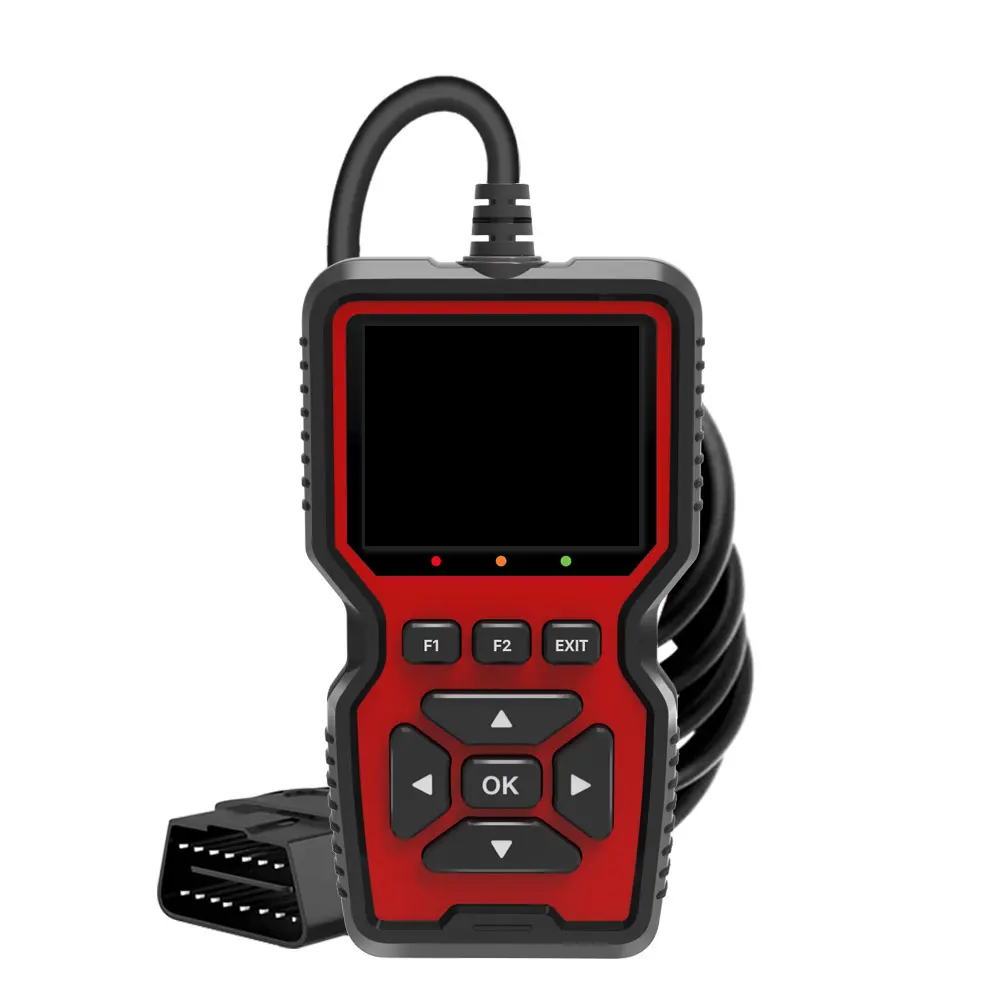
- Retrieve and Analyze DTCs and Freeze Frame Data: Connect an OBD-II scanner to extract code P0777 and any related transmission codes. Critically, examine the freeze frame data. This provides a snapshot of engine speed, vehicle speed, throttle position, transmission temperature, and other parameters at the moment the fault occurred, offering crucial context for diagnosis.
- Inspect Transmission Fluid Condition and Level: With the engine at operating temperature and the vehicle on level ground (refer to manufacturer-specific procedures for checking fluid level), verify the transmission fluid level. Inspect the fluid for proper color (should be reddish, not dark brown or black), odor (should not smell burnt), and consistency (look for suspended metallic particles or debris). Heavily contaminated or burnt fluid indicates internal wear and potential issues.
- Perform a Thorough Visual Inspection of Wiring and Connectors: Locate the transmission’s main electrical harness and connectors, paying particular attention to the wiring leading to the valve body and individual solenoids (if accessible). Look for signs of chafing, corrosion, cuts, pin push-out, or loose connections. Inspect the transmission case for any external damage or fluid leaks.
- Electrical Test of Pressure Control Solenoid “B”:
- Resistance Check: If accessible, disconnect the electrical connector to Solenoid “B” (this may require dropping the transmission pan and removing the valve body cover). Using a Digital Multimeter (DMM) set to Ohms, measure the resistance across the solenoid’s terminals. Compare this reading to the manufacturer’s specifications (typically a few Ohms, e.g., 10-25 Ohms). An open circuit (infinite resistance) or a short circuit (near zero resistance) indicates an internal solenoid fault.
- Voltage and Ground Check: With the ignition on and the solenoid connected (or at the connector terminals if individually accessible), use a DMM to verify proper voltage supply and ground signals to the solenoid from the TCM. If the TCM is commanding the solenoid, a pulsating voltage (PWM signal) might be observed, best viewed with an oscilloscope.
- Functional Test Using Bidirectional Scanner (if available): A professional-grade scanner with bidirectional control capabilities can command Solenoid “B” on and off while monitoring live data (e.g., pressure sensor readings, commanded vs. actual gear). This can help confirm if the solenoid responds electrically and hydraulically to TCM commands.
- Hydraulic Pressure Test (Advanced): For comprehensive diagnosis, a transmission pressure gauge can be connected to the relevant test ports on the transmission. This allows for direct measurement of line pressure and the pressure regulated by Solenoid “B” during various operating conditions and gear selections, verifying if the solenoid is physically sticking.
- Inspect Valve Body: If electrical tests confirm the solenoid is functional, or if fluid contamination is severe, dropping the transmission pan and inspecting the valve body for debris, stuck valves, or excessive wear might be necessary.
Recommended Repairs and Solutions
Rectifying P0777 typically focuses on addressing the identified root cause. Here are the common repairs:
- Replace Pressure Control Solenoid “B”: This is the most frequent solution when the solenoid itself is determined to be faulty (electrically or mechanically stuck). Replacement often requires dropping the transmission pan and accessing the valve body where the solenoid is mounted. Always use an OEM or high-quality aftermarket replacement part.
- Transmission Fluid and Filter Service: If the transmission fluid was found to be contaminated, dark, or burnt, a complete transmission fluid and filter change should be performed in conjunction with solenoid replacement. Use the exact type and specification of transmission fluid recommended by the vehicle manufacturer. This helps flush out debris that could have caused the solenoid to stick.
- Repair or Replace Wiring Harness/Connectors: If the diagnostic process identified damaged wiring, corroded pins, or loose connectors affecting the solenoid circuit, these components must be repaired or replaced to restore proper electrical continuity and signal integrity.
- Replace the Valve Body: In cases where multiple solenoids fail, or if inspection reveals wear or damage within the valve body itself (e.g., worn valve bores causing internal leaks), replacing the entire valve body assembly might be necessary. Some manufacturers sell solenoids as part of a valve body assembly.
- Internal Transmission Repair or Overhaul: If severe contamination with metallic debris is present, or if other internal mechanical failures are suspected (e.g., worn clutch packs), a comprehensive transmission inspection, repair, or even replacement may be required. This is typically a last resort after simpler, less intrusive repairs have been ruled out.
- PCM/TCM Reprogramming or Replacement: While rare, if all other components test good and the fault persists, consulting the factory service manual for TCM diagnostic procedures is crucial. In some instances, a software update or replacement of the TCM may be necessary.
Important Mechanic’s Tips:
- Always refer to the manufacturer’s service manual for specific procedures, torque specifications, fluid types, and electrical values pertinent to the vehicle model.
- Maintain meticulous cleanliness when working inside the transmission to prevent further contamination.
- After replacing transmission components, especially solenoids, performing a “quick learn” or “fast learn” procedure with a compatible scan tool may be necessary to allow the TCM to adapt to the new components and optimize shift quality.
- For transmissions with significantly contaminated fluid, consider performing a second fluid and filter change after a short driving interval (e.g., 500-1000 miles) to ensure maximum contaminant removal.