What Does Code P0753 Mean?
DTC P0753 indicates an electrical malfunction within the circuit of Shift Solenoid A, often referred to as the 1-2 Shift Solenoid. The Powertrain Control Module (PCM), or Transmission Control Module (TCM) in some applications, monitors the electrical characteristics (resistance, voltage, and current) of this solenoid circuit. Shift Solenoid A is an electronically controlled hydraulic valve responsible for directing transmission fluid flow within the valve body to facilitate the engagement and disengagement of specific gear ratios, particularly the shift from first to second gear. When the PCM/TCM detects an open circuit, a short circuit to ground, a short circuit to voltage, or an out-of-specification resistance value in the solenoid’s dedicated electrical pathway, it interprets this as an electrical fault. This prevents the solenoid from operating correctly, thereby disrupting the hydraulic pressure necessary for proper gear shifting and often leading to transmission performance issues or a failsafe (limp-home) mode activation.
Common Symptoms
- Illumination of the Malfunction Indicator Lamp (MIL), commonly known as the Check Engine Light.
- Harsh or delayed engagement of the 1-2 gear shift.
- Transmission may default to a specific gear (e.g., 3rd gear) and remain stuck there (limp-home mode).
- Inability to shift into 2nd gear, or in some cases, 1st gear.
- Transmission slipping during shifts or while driving in affected gears.
- Increased engine RPM at specific road speeds due to incorrect gear engagement.
- Noticeable reduction in fuel economy.
What Causes the Code P0753?
- Faulty Shift Solenoid A: The solenoid itself can develop an internal electrical fault, such as a broken winding (open circuit), a short circuit within its coils, or excessive internal resistance.
- Damaged Wiring Harness: Open circuits or short circuits to ground or voltage within the wiring leading to or from Shift Solenoid A. This can be caused by chafing, heat damage, rodent damage, or improper installation.
- Corroded or Loose Electrical Connectors: Poor electrical connection at either the solenoid connector or the transmission harness connector due to corrosion, bent pins, or inadequate terminal tension.
- Contaminated Transmission Fluid: While less common as a direct cause for an electrical fault code, severely contaminated fluid with metallic debris can potentially bridge connections, cause shorts, or contribute to solenoid failure.
- Faulty Powertrain Control Module (PCM) or Transmission Control Module (TCM): Although rare, an internal defect within the control module preventing proper solenoid command or feedback monitoring can trigger this code.
- Internal Transmission Wiring Harness Issues: Some transmissions utilize an internal wiring harness that connects the solenoids to the external transmission case connector. Damage to this internal harness can lead to P0753.
How to Diagnose and Troubleshoot
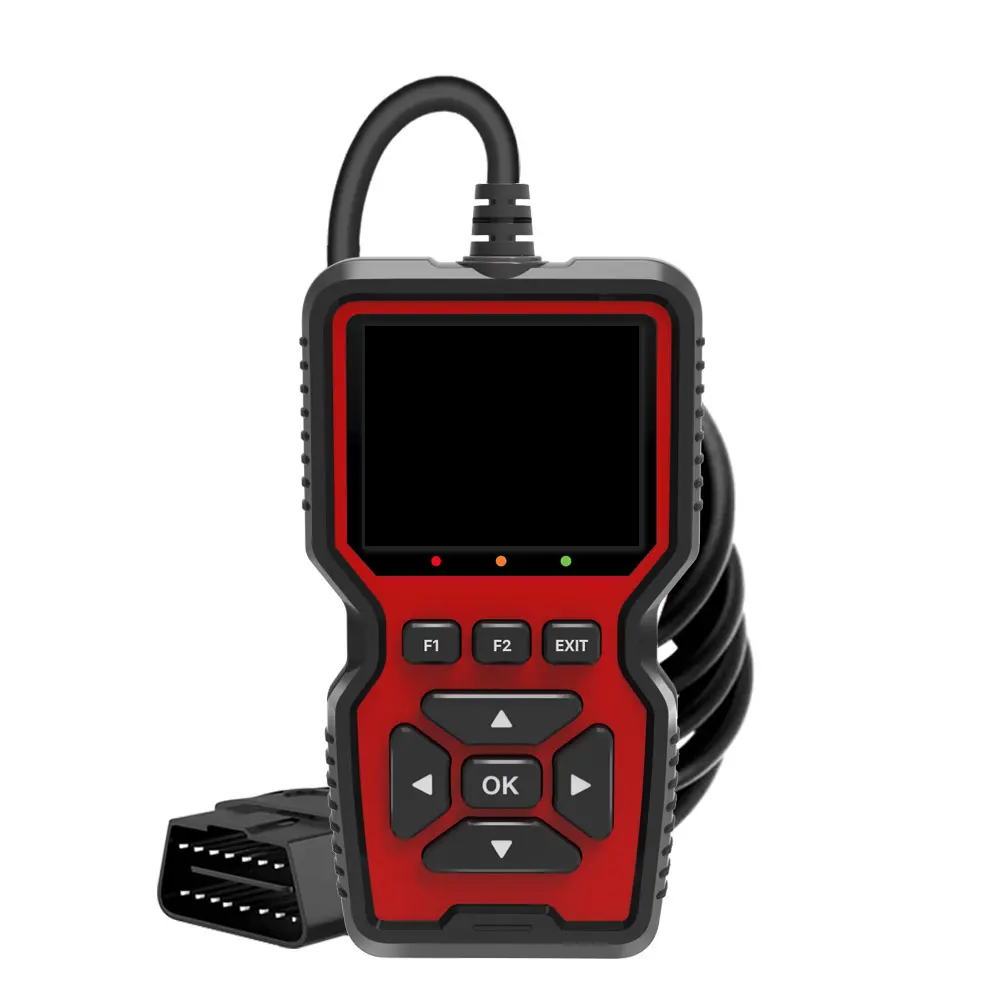
Diagnosis of P0753 requires a methodical approach, often involving a digital multimeter (DMM) and an OBD-II scanner.
- Retrieve and Analyze DTCs and Freeze Frame Data: Connect an OBD-II scanner to confirm P0753 is present. Note any other related transmission or engine codes. Crucially, examine the freeze frame data. This snapshot provides vehicle operating conditions (engine RPM, vehicle speed, engine load, transmission temperature) at the moment the code was set, offering valuable context for diagnosis.
- Visual Inspection of Transmission Fluid and Wiring:
- Check transmission fluid level and condition. Note if it’s low, burnt, dark, or contains metallic particles.
- Carefully inspect the external transmission wiring harness for any signs of physical damage, chafing, corrosion, or loose connections. Pay close attention to the connector leading into the transmission case.
- Test Shift Solenoid A Resistance:
- Locate the transmission electrical connector. Using a repair manual, identify the specific pins corresponding to Shift Solenoid A.
- With the ignition OFF and the transmission connector disconnected, use a DMM set to ohms to measure the resistance across the specified terminals for Shift Solenoid A.
- Compare the measured resistance to the manufacturer’s specifications (typically 10-30 ohms, but varies significantly by make/model). An “OL” (open circuit) reading indicates a completely open solenoid coil, while a reading significantly lower than specified could indicate a short. A reading significantly higher indicates excessive resistance.
- If resistance is out of specification, the solenoid is faulty and needs replacement.
- Test Wiring Harness for Continuity and Shorts:
- With the transmission connector still disconnected and the PCM/TCM connector disconnected (to isolate the wiring), use the DMM set to ohms.
- Check for continuity between the solenoid’s respective pins at the transmission connector and the corresponding pins at the PCM/TCM connector. Resistance should be very low (ideally < 1 ohm). An open circuit here indicates a wiring break.
- Check for shorts to ground: Place one DMM lead on each solenoid circuit wire at the PCM/TCM connector and the other lead to a known good chassis ground. There should be no continuity (OL reading).
- Check for shorts to voltage: With the ignition ON, check for any voltage present on the solenoid’s circuit wires at the PCM/TCM connector. This should typically be 0V unless it’s a constant power feed wire for the solenoid.
- Check PCM/TCM Output (Advanced): If the solenoid tests good and the wiring harness is confirmed sound, the issue might lie within the PCM/TCM. This requires specialized diagnostic equipment to command the solenoid ON/OFF and monitor voltage/current feedback. In some cases, a known-good PCM/TCM swap might be necessary for definitive diagnosis, but this should only be done after thoroughly ruling out the solenoid and wiring.
Recommended Repairs and Solutions
Addressing P0753 typically involves replacing the faulty component identified during diagnosis.
- Replace Faulty Shift Solenoid A: If the resistance test indicated an internal fault with the solenoid, it must be replaced. This usually requires dropping the transmission oil pan to access the valve body, where the solenoids are mounted. Ensure the correct replacement solenoid is used, as types can vary even within the same transmission model.
- Repair or Replace Damaged Wiring/Connectors: If the diagnostic steps reveal an open circuit, short, or corroded connector, repair the wiring using proper soldering techniques and heat-shrink tubing, or replace the entire affected section of the harness. Clean and apply dielectric grease to corroded connectors. Ensure all terminals have good tension for a secure connection.
- Transmission Fluid and Filter Service: If the transmission fluid was found to be low, burnt, or contaminated, perform a complete transmission fluid and filter replacement. Ensure the fluid type specified by the manufacturer is used and filled to the correct level.
- PCM/TCM Replacement and Reprogramming: If the PCM or TCM is definitively diagnosed as the cause, it will need to be replaced. This often requires programming or flashing the new module to the vehicle’s specific VIN and options, a procedure usually performed by a dealership or a specialized independent shop.
Mechanic’s Tip: When replacing a shift solenoid, it’s often prudent to inspect other accessible solenoids for resistance values, especially if the transmission pan is already removed. While not always necessary, this can proactively identify other potential issues and prevent future problems. Always use OEM-quality or reputable aftermarket solenoids to ensure proper transmission operation and longevity. After any repair, clear the DTCs and perform a thorough road test to verify the fix and allow the transmission control module to relearn its shift parameters.