What Does Code P1247 Mean?
The diagnostic trouble code P1247 signifies “Turbo Boost Pressure Low.” This code is set by the Powertrain Control Module (PCM), or Engine Control Module (ECM) in some vehicle applications, when it detects that the actual boost pressure being generated by the turbocharger or supercharger system is significantly lower than the commanded or desired boost pressure. The PCM monitors boost pressure through the Boost Pressure Sensor (BPS) or Manifold Absolute Pressure (MAP) sensor. It continuously compares this sensor reading against a dynamically calculated desired value, which is based on various engine parameters such as RPM, throttle position, engine load, and ambient conditions. If the actual boost pressure consistently falls below a predetermined calibration threshold relative to the desired pressure for a specified duration, the PCM interprets this as an inadequate boost condition and initiates the P1247 code, directly impacting engine performance and efficiency, particularly during periods of high demand.
Common Symptoms
- Reduced Engine Power or Lack of Acceleration: The most prevalent symptom, as the engine cannot achieve its intended power output due to insufficient forced induction.
- Illumination of the Check Engine Light (CEL): The Malfunction Indicator Lamp (MIL) will be illuminated on the instrument cluster.
- Engine Entering “Limp Home” Mode: To prevent potential engine damage, the PCM may implement a reduced power mode, limiting RPM and overall engine performance.
- Unusual Whistling or Hissing Noises: Often indicative of a significant boost leak from charge air piping or vacuum lines.
- Hesitation or Stalling During Acceleration: Inconsistent air-fuel mixture due to insufficient air delivery can cause these drivability issues.
- Excessive Black or White Exhaust Smoke: While less direct, a rich fuel mixture resulting from insufficient air (black smoke) or failing turbo seals (blue/white smoke) can sometimes accompany severe boost issues.
What Causes the Code P1247?
- Boost Leaks: Cracked, loose, or disconnected charge air hoses (intercooler pipes), vacuum lines to the wastegate actuator, or a leaking intercooler itself. This is a very frequent cause.
- Faulty Wastegate Actuator or Stuck Wastegate: A ruptured wastegate actuator diaphragm or a wastegate valve that is mechanically stuck open will prevent proper exhaust gas flow through the turbine, thus hindering boost generation.
- Turbocharger Internal Malfunction: Worn bearings leading to a seized turbo, damaged compressor or turbine wheels, or excessive shaft play causing contact with the housing.
- Defective Boost Pressure Sensor (BPS) or Manifold Absolute Pressure (MAP) Sensor: An inaccurate sensor reading can falsely report low boost, or a clogged sensor port can restrict accurate pressure measurement.
- Malfunctioning Diverter Valve (Bypass Valve/Blow-off Valve): If stuck open, leaking, or failing to seal properly, this valve will prematurely vent boost pressure.
- Faulty Boost Pressure Control Solenoid (N75 Valve): This solenoid controls the vacuum or pressure signal to the wastegate actuator. If it fails to operate correctly, the wastegate may not close adequately.
- Exhaust System Restriction: A clogged catalytic converter or diesel particulate filter (DPF) can create excessive back pressure, impeding exhaust flow to the turbocharger and preventing it from spooling efficiently.
- Damaged Wiring or Connectors: Corrosion, chafing, or an open/short circuit in the electrical harness leading to the BPS/MAP sensor, N75 valve, or wastegate actuator.
- PCM Software Glitch or Internal Failure: Although rare, an erroneous software calibration or internal fault within the PCM could lead to incorrect boost pressure calculations or control.
How to Diagnose and Troubleshoot
Diagnosis of P1247 requires a systematic approach, combining visual inspection with specialized tools and data analysis.
- Initial Visual Inspection:
- Begin by thoroughly inspecting all accessible turbocharger system components. Look for cracked, brittle, or disconnected vacuum lines, especially those connected to the wastegate actuator and boost control solenoid.
- Inspect all charge air piping (intercooler pipes) for cracks, chafing, loose clamps, or disconnections. Check the intercooler itself for signs of damage or leaks.
- Examine the turbocharger assembly for external damage, oil leaks, or excessive shaft play (this often requires removing intake/exhaust components for proper assessment).
- Check electrical connectors for corrosion, bent pins, or damage to the wiring harness leading to the BPS/MAP sensor, boost control solenoid, and any electronic wastegate actuators.
- OBD-II Scanner Live Data Analysis:
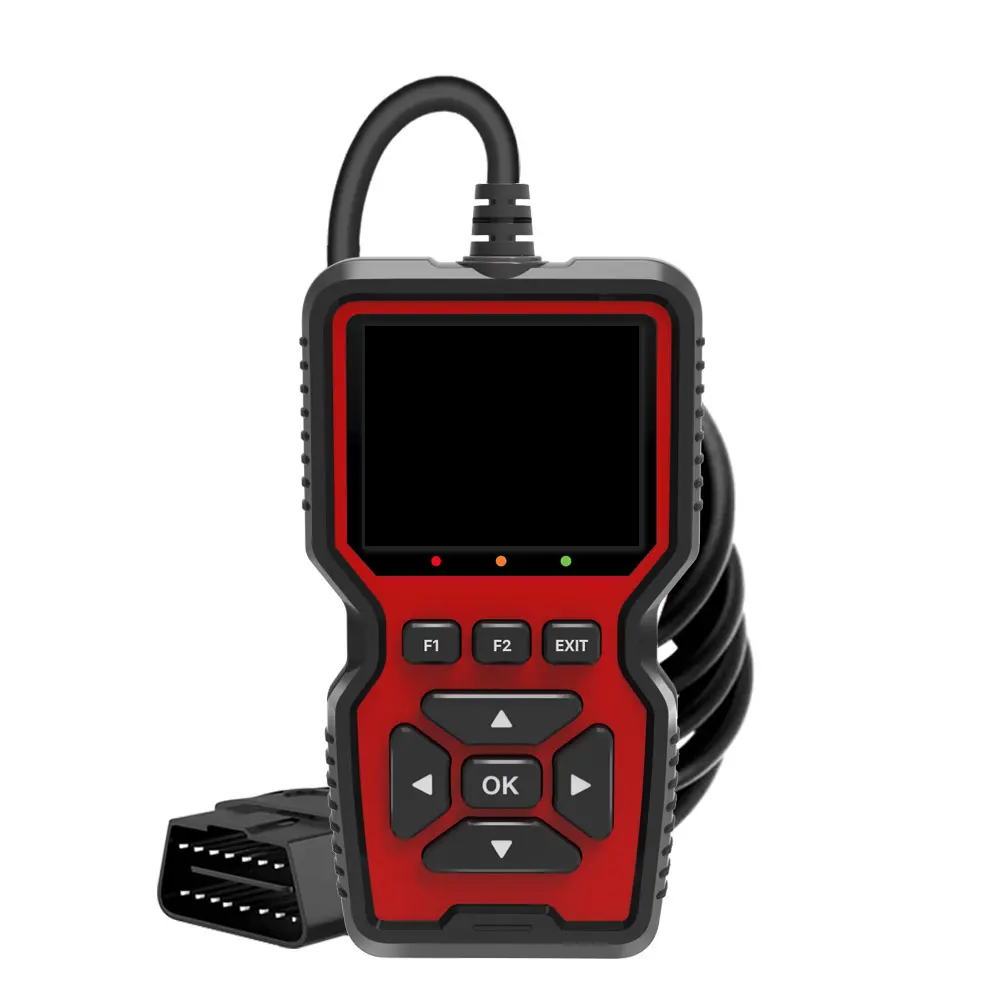
- Connect an advanced OBD-II scan tool capable of displaying live sensor data.
- Monitor key parameters such as “Desired Boost Pressure,” “Actual Boost Pressure” (or MAP sensor reading), “Engine RPM,” “Throttle Position,” “Wastegate Duty Cycle,” and “MAF Sensor Reading.”
- Perform a road test under varying load conditions, specifically where the code typically sets (e.g., moderate to heavy acceleration). Compare the “Desired Boost Pressure” against the “Actual Boost Pressure.” A consistent and significant discrepancy confirms an underlying mechanical or control issue.
- Observe MAP sensor readings with the engine off (should be very close to ambient barometric pressure) and at idle. Abnormally low or high readings can indicate a faulty sensor or circuit.
- Boost Leak Testing:
- This is a critical step. Use a dedicated boost leak tester (or a smoke machine) connected to the intake system after the mass airflow sensor. Pressurize the system with regulated shop air (typically 10-15 PSI) and carefully listen and visually inspect for air leaks. Pay close attention to intercooler connections, the intercooler itself, and the diverter/bypass valve. A smoke machine can pinpoint smaller, less audible leaks.
- Component-Specific Testing (DMM & Vacuum Pump):
- Wastegate Actuator: If vacuum-operated, use a hand-held vacuum pump to apply vacuum to the actuator. The wastegate rod should move smoothly, and the actuator should hold vacuum. If it doesn’t, the diaphragm is likely ruptured.
- Boost Pressure Sensor (BPS)/MAP Sensor: With a Digital Multimeter (DMM), check the sensor’s reference voltage (typically 5V), ground circuit, and signal voltage. Compare the signal voltage at ambient pressure and with a vacuum/pressure pump to manufacturer specifications. Clogged sensor ports should also be cleaned.
- Boost Pressure Control Solenoid (N75 Valve): Test for power and ground at the connector. Measure the solenoid’s resistance across its terminals (consult service manual for specific values, typically 20-30 ohms). Use the scan tool’s bi-directional controls to command the solenoid or apply power/ground directly to verify it clicks and changes airflow path.
- Diverter/Bypass Valve: Physically inspect the valve for cracks or wear. If electronically controlled, test its electrical circuit and operation via scan tool or direct power application.
- Exhaust Backpressure Test:
- If other checks are inconclusive, perform an exhaust backpressure test using a gauge threaded into the upstream oxygen sensor port. Excessive backpressure (e.g., greater than 1.5 PSI at idle or 2.5 PSI at 2,000 RPM) indicates a restricted catalytic converter or DPF, which can severely hinder turbocharger performance.
Recommended Repairs and Solutions
Addressing P1247 typically involves repairing or replacing components identified during the diagnostic process. The most common and often simplest repairs are:
- Repair Boost Leaks: Replace any cracked, worn, or disconnected vacuum and charge air hoses. Re-secure or replace loose or damaged clamps on intercooler piping. If the intercooler itself is leaking, it will require replacement. This is frequently the most effective initial repair.
- Replace Faulty Wastegate Actuator: If the actuator diaphragm is ruptured or the mechanism is binding, replace the unit. In some cases, the actuator is a separate component; in others, it’s integral to the turbocharger assembly.
- Replace Turbocharger Assembly: If internal turbocharger damage (e.g., seized bearings, broken blades, excessive shaft play) is confirmed, the turbocharger unit will need to be replaced or professionally rebuilt. When replacing, always ensure proper oil supply and return line integrity.
- Replace Boost Pressure Sensor (BPS) or MAP Sensor: If testing definitively points to a faulty or clogged sensor, replace it. Always opt for OEM or high-quality aftermarket sensors for accuracy and longevity.
- Replace Diverter Valve (Bypass Valve): If the valve is leaking or stuck open, replace it. Consider upgrading to a more robust aftermarket design if recurrent failures are a concern.
- Replace Boost Pressure Control Solenoid (N75 Valve): If electrical or functional testing indicates a faulty solenoid, replace it. Also, inspect and replace any associated vacuum lines.
- Address Exhaust Restriction: If an excessive exhaust backpressure is diagnosed, the restricted catalytic converter or DPF must be replaced or professionally cleaned (for DPFs).
- Repair Wiring Harness: Repair any identified damaged, corroded, or compromised wiring and connectors to ensure proper electrical communication between sensors, actuators, and the PCM.
Important Mechanics’ Tips:
- Start with the Basics: Always begin with a thorough visual inspection and simple checks for common issues like loose hoses before moving to more complex diagnostics.
- Utilize Live Data Effectively: Understanding the relationship between desired and actual boost pressure, along with other related parameters, is crucial for pinpointing the root cause.
- OEM or Quality Aftermarket Parts: For critical components such as sensors, solenoids, and especially the turbocharger, using Original Equipment Manufacturer (OEM) or reputable aftermarket parts is highly recommended to ensure optimal performance and durability.
- Post-Repair Verification: After any repair, clear the DTCs and perform a comprehensive road test under varying load conditions to confirm the issue is resolved and the code does not reappear. Monitor live data to verify proper boost operation.
- Check for Related Codes: Always scan for and address any other pending or active diagnostic trouble codes, as they may indicate a related problem that indirectly contributes to P1247.
- Turbocharger Oil Management: When replacing a turbo, always inspect, and often replace, the turbo oil feed and return lines. Ensure the engine oil is fresh, clean, and at the correct level, as oil starvation is a leading cause of turbocharger failure.