What Does Code P0211 Mean?
DTC P0211 signifies an “Injector Circuit Malfunction – Cylinder 11.” This code is set by the Powertrain Control Module (PCM), also known as the Engine Control Module (ECM), when it detects an electrical anomaly within the control circuit for the fuel injector of cylinder 11. The PCM continuously monitors the electrical characteristics of each fuel injector circuit, including resistance, voltage, and current flow, to ensure proper operation. When the PCM commands the cylinder 11 injector to open, it expects to see a specific electrical response. If the PCM detects an open circuit (broken wire), a short circuit to ground, a short circuit to voltage, or an out-of-range resistance (either too high or too low) within the injector’s internal coil or its wiring, it interprets this as a malfunction and sets code P0211. This direct electrical fault prevents the PCM from effectively controlling fuel delivery to cylinder 11, leading to an imbalance in the air-fuel ratio, potential misfires, and compromised engine performance.
Common Symptoms
- Check Engine Light (CEL) Illumination: The most common and immediate symptom.
- Engine Misfire: Noticeable rough idle, hesitation, or a lack of power, specifically related to cylinder 11.
- Reduced Engine Performance: Overall decrease in acceleration and responsiveness.
- Decreased Fuel Economy: If the injector is stuck open or leaking, leading to excessive fuel consumption.
- Strong Fuel Odor: Indicative of a leaking injector or unburnt fuel passing into the exhaust.
- Black Smoke from Exhaust: A sign of an excessively rich condition due to a stuck-open or constantly leaking injector.
- Difficulty Starting: In extreme cases, if the issue severely impacts fuel pressure or multiple cylinders.
What Causes the Code P0211?
- Faulty Fuel Injector (Cylinder 11): The internal coil winding of the injector can develop an open circuit, a short circuit, or incorrect resistance, preventing proper operation.
- Wiring Harness Damage:
- Open Circuit: A broken or disconnected wire in either the power supply or the control (ground) side of the cylinder 11 injector circuit.
- Short to Ground: The injector circuit wire making unintended contact with a vehicle ground point.
- Short to Voltage: The injector circuit wire making unintended contact with a constant or switched voltage source.
- Chafing or Fraying: Damage to wiring insulation due to contact with sharp edges or engine components, leading to shorts or open circuits.
- Rodent Damage: Chewed wires affecting the injector circuit.
- Corroded or Loose Electrical Connections: Poor contact at the cylinder 11 injector connector or within the engine wiring harness leading to high resistance.
- Failed Powertrain Control Module (PCM/ECM): Less common, but a faulty injector driver circuit within the PCM responsible for controlling cylinder 11 can cause this code.
How to Diagnose and Troubleshoot
Diagnosing P0211 requires a systematic approach using a digital multimeter (DMM) and an OBD-II scan tool:
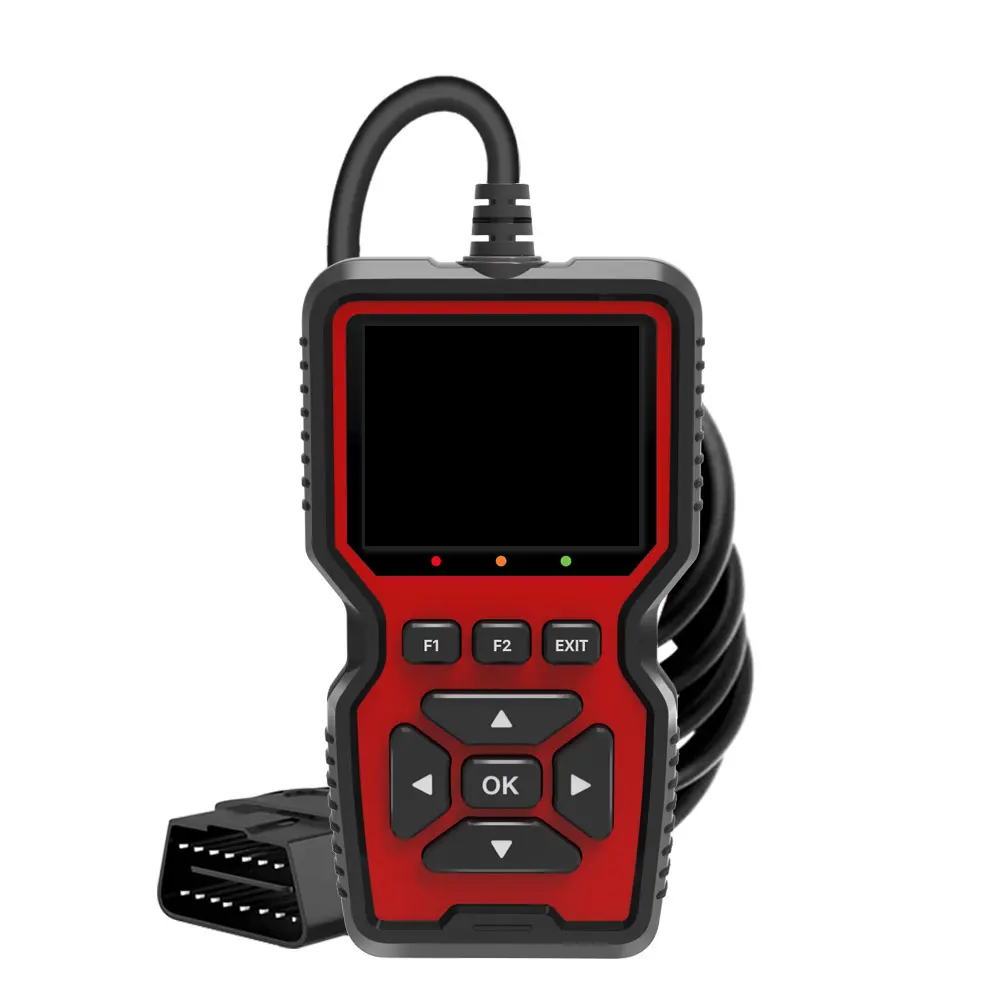
- Perform an Initial Scan and Review Freeze Frame Data: Connect an OBD-II scanner to confirm P0211. Check for any accompanying misfire codes (e.g., P0311) or other related DTCs. Analyze freeze frame data to understand the engine conditions (RPM, load, temperature, etc.) when the code was set, which can provide clues to intermittent issues. Clear codes and see if P0211 immediately returns upon starting the engine.
- Conduct a Thorough Visual Inspection: Carefully examine the wiring harness leading to the cylinder 11 fuel injector. Look for signs of chafing, cuts, burns, bare wires, or corrosion. Inspect the injector’s electrical connector for bent pins, corrosion, or a loose fit. Ensure the harness is properly routed and secured away from heat sources or moving parts.
- Test Fuel Injector Resistance:
- Disconnect the electrical connector from the cylinder 11 fuel injector.
- Set your DMM to the ohms (Ω) scale.
- Measure the resistance across the two terminals of the injector itself.
- Compare this reading to the manufacturer’s specifications (typically 10-16 ohms for high-impedance injectors, but consult service information for exact values). An “OL” (open line) reading indicates an open circuit within the injector, while a significantly lower-than-specified reading suggests an internal short.
- Verify Power and Ground Signals at Injector Connector:
- Power Supply: With the ignition ON (engine OFF), use your DMM to back-probe or connect to the appropriate power wire at the cylinder 11 injector harness connector. You should measure battery voltage (approximately 12V). If no voltage is present, trace the power supply circuit back to the fuse box and relevant relays.
- Control Signal (Ground): Connect a noid light (a specialized test light for injector circuits) to the cylinder 11 injector harness connector. While cranking the engine (or with the engine running, if possible and safe), observe the noid light. A flashing light indicates the PCM is correctly sending ground pulses to the injector. If the light does not flash, the issue lies in the control wire from the PCM or the PCM itself.
- Test Wiring Harness Continuity and for Shorts:
- Continuity: Disconnect the battery and, if necessary, the PCM connector. Use your DMM to test for continuity between the injector harness connector pins for cylinder 11 and their corresponding pins at the PCM connector. There should be very low resistance (typically less than 1 ohm).
- Shorts: With the DMM set to ohms, test for continuity between each wire in the cylinder 11 injector circuit and vehicle ground, as well as to battery positive. Also, test for continuity between the two wires of the injector circuit themselves. Any low resistance reading where there should be none indicates a short.
- Advanced Scan Tool Diagnostics: If available, use a bi-directional scan tool to perform an injector “buzz test” or to command the cylinder 11 injector ON/OFF. Listen for the distinct click of the injector actuating. Monitor fuel trims for that specific cylinder, if supported by the vehicle.
Recommended Repairs and Solutions
Based on the diagnostic findings, the following repairs are typically recommended:
- Replace the Cylinder 11 Fuel Injector: If the resistance test fails (open or shorted coil) or the injector does not actuate during tests while the electrical signals are present, the injector itself is faulty and requires replacement. Ensure to use an OEM-equivalent or specified injector for proper flow and spray pattern. Always replace associated O-rings and seals to prevent fuel leaks.
- Repair or Replace Damaged Wiring Harness: If the visual inspection or electrical tests identify damaged, corroded, or shorted wiring, perform precise repairs. Use appropriate gauge wire, solder connections, and seal with heat-shrink tubing to ensure a durable and reliable repair. If the damage is extensive, consider replacing the entire harness section. Clean any corroded connectors thoroughly.
- Clean or Replace Corroded Connectors: If corrosion is found at the injector connector or within the harness, clean the terminals using electrical contact cleaner and a small brush. If pins are severely corroded or damaged, the connector may need to be replaced.
- PCM/ECM Replacement (Rare): This should be a last resort after all other possibilities have been meticulously ruled out. If all wiring and injector tests pass, and there’s a confirmed lack of control signal from the PCM, the internal driver circuit for cylinder 11 may have failed. PCM replacement typically requires specialized programming and calibration to the vehicle.
Mechanic’s Tips:
- Always disconnect the battery negative terminal before performing any electrical tests or component replacements to prevent accidental shorts or damage to sensitive electronic modules.
- When replacing a fuel injector, ensure proper installation, including seating new O-rings, and adhere to manufacturer torque specifications for any hold-down bolts or fuel rail connections.
- After completing any repair, clear the DTCs with an OBD-II scanner. Perform an extended test drive under various driving conditions to confirm that the code does not return and that engine performance has been fully restored. Monitor live data, particularly misfire counters and fuel trims, to verify correct operation.
- If the vehicle has high mileage or other injectors show signs of wear, consider replacing all injectors on the affected bank, or even all injectors, to ensure balanced fuel delivery and prevent future related issues.