What Does Code P0789 Mean?
DTC P0789 signifies an intermittent electrical or hydraulic malfunction within the transmission’s shift timing solenoid circuit. The Powertrain Control Module (PCM) or Transmission Control Module (TCM), which often operates as a singular unit, continuously monitors the operational characteristics of the various shift solenoids responsible for engaging specific gear ratios. When the PCM/TCM commands a particular shift, it expects the corresponding shift solenoid to activate within a precise timeframe and achieve the desired gear ratio. The “intermittent” aspect of P0789 indicates that the module has detected instances where the commanded shift did not occur as expected, or the electrical feedback from the shift solenoid circuit (e.g., resistance, current draw, or voltage drop) fell outside the manufacturer’s specified parameters, but not on a consistent basis. This suggests a temporary disruption in the solenoid’s function, its electrical circuit, or the hydraulic pressure it controls. The subsystem directly affected is the automatic transmission’s electro-hydraulic control system, specifically the internal shift solenoid responsible for a particular gear timing or shift event.
Common Symptoms
- Delayed or abnormally harsh gear shifts (e.g., a noticeable jolt or ‘clunk’ during upshifts or downshifts)
- Transmission slipping, where the engine RPM increases without a corresponding increase in vehicle speed, particularly during acceleration or specific gear changes.
- Inability to engage certain gears, leading to the vehicle remaining in a higher or lower gear than expected.
- The transmission may enter “limp home” mode, limiting available gears (often to second or third) to prevent further damage.
- Illumination of the Check Engine Light (MIL).
- Reduced fuel efficiency due to improper gear engagement.
- Vehicle hesitation or surge during acceleration as the transmission struggles to select the correct gear.
What Causes the Code P0789?
- Faulty Shift Solenoid: The internal coil of the shift solenoid may be intermittently failing electrically, or its mechanical plunger may be sticking due to wear, debris, or thermal expansion/contraction.
- Transmission Fluid Contamination or Low Fluid Level: Dirty, degraded, or low transmission fluid can lead to erratic hydraulic pressure, causing solenoids to stick or operate inconsistently. Debris in the fluid can clog solenoid screens or valve body passages.
- Wiring Harness or Connector Issues: Intermittent open circuits, short circuits, or high resistance in the electrical wiring connecting the PCM/TCM to the shift solenoid. This can be caused by chafing, corrosion at terminals, loose pins, or environmental stress (heat, vibration).
- Damaged Valve Body: Wear, warping, or internal fluid leaks within the transmission valve body can lead to insufficient or misdirected hydraulic pressure, affecting solenoid effectiveness.
- PCM/TCM Malfunction: Although less common, an internal fault within the PCM or TCM could cause incorrect solenoid commands or misinterpretation of feedback signals, leading to false P0789 detection.
- Internal Transmission Mechanical Failure: Advanced wear or damage to clutches, bands, or planetary gear sets can indirectly cause intermittent shift issues that the PCM/TCM misinterprets as a solenoid fault due to the resulting gear ratio discrepancies.
How to Diagnose and Troubleshoot
A systematic diagnostic approach is crucial for intermittent codes like P0789:
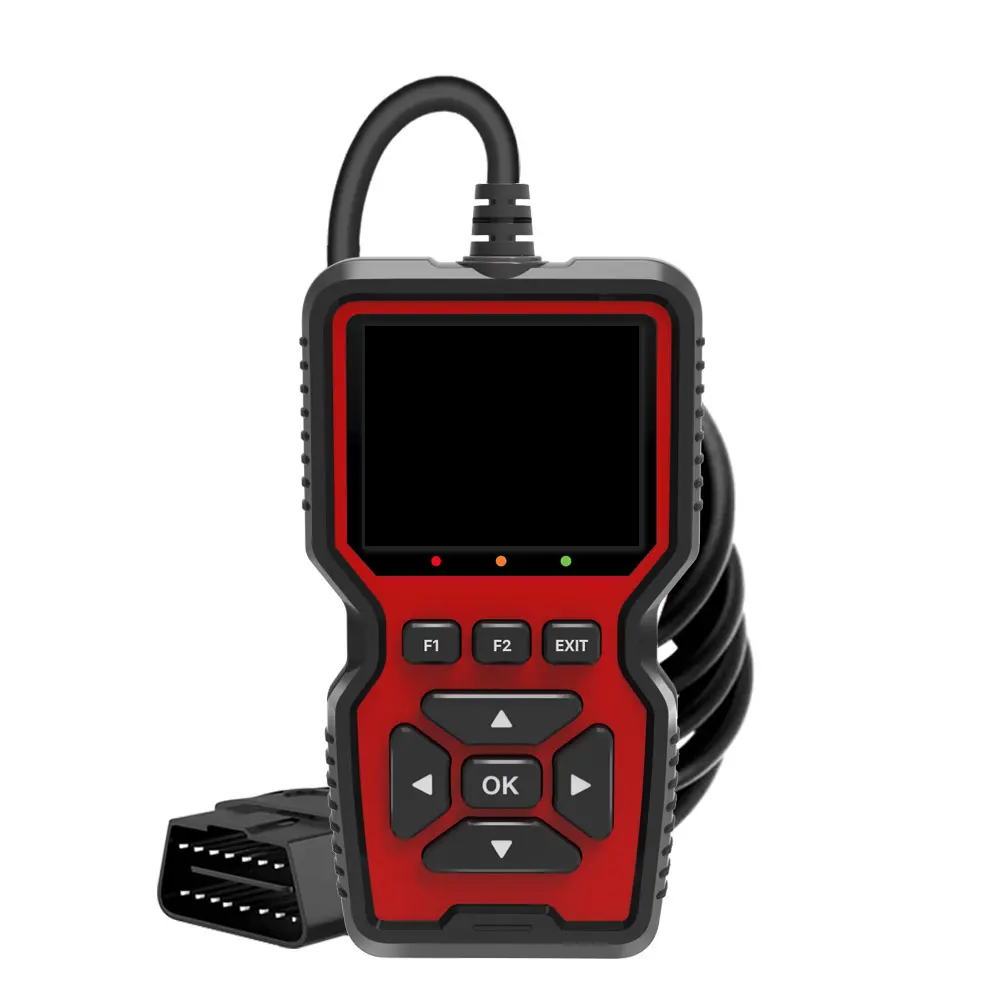
- Initial Scan Tool Data Collection: Connect an OBD-II scan tool and record all present, pending, and historical DTCs. Critically, analyze the “freeze frame” data associated with P0789. This data captures engine speed, vehicle speed, engine temperature, and other parameters at the exact moment the code was set, providing valuable clues about the operating conditions under which the fault occurs. Clear the codes and perform a test drive, attempting to replicate the conditions identified in the freeze frame data.
- Transmission Fluid Level and Quality Inspection: Accurately check the transmission fluid level with the vehicle on a level surface, at operating temperature, and the engine running, according to manufacturer specifications. Visually inspect the fluid for signs of contamination (dark coloration, metallic particles, burnt smell). A small sample can be placed on a clean white paper towel to assess its condition.
- Wiring Harness and Connector Integrity Check: Visually inspect the entire wiring harness from the PCM/TCM to the transmission, paying close attention to connectors and areas prone to chafing or heat exposure. Disconnect the suspected shift solenoid connector (often located inside the transmission pan, attached to the valve body). Using a Digital Multimeter (DMM), perform a continuity test on the solenoid’s supply and signal wires from the PCM/TCM connector to the solenoid connector. Wiggle the harness aggressively during the test to reveal intermittent opens or shorts. Check for excessive resistance (> 1-2 ohms) in both the power and ground circuits.
- Shift Solenoid Electrical Resistance Test: With the transmission pan removed and the suspected shift solenoid disconnected, use a DMM to measure the internal electrical resistance across the solenoid terminals. Compare this reading to the manufacturer’s specifications (typically 10-25 ohms, but varies significantly by vehicle). An intermittent solenoid may show fluctuating resistance, an open circuit, or infinite resistance when it should not. Heat can often exacerbate internal solenoid issues, so if possible, test the solenoid both cold and after the transmission has reached operating temperature.
- Live Data Monitoring and Actuator Tests: With a capable scan tool, monitor transmission PIDs (Parameter Identifiers) during a test drive. Observe commanded gear, actual gear ratio, transmission fluid temperature, and the on/off status of relevant shift solenoids. Look for discrepancies between commanded and actual states. Utilize the scan tool’s bi-directional control functions to perform actuator tests, commanding specific solenoids on and off while monitoring their electrical feedback and listening for their audible operation.
- Hydraulic Pressure Verification (Advanced): For comprehensive diagnosis, a professional may perform transmission line pressure tests using specialized gauges. This involves installing pressure gauges into various test ports on the transmission to measure hydraulic pressure at different operating conditions and gear selections. Incorrect pressure readings can indicate issues beyond the solenoid, such as a faulty pump, pressure regulator, or severe valve body wear.
Recommended Repairs and Solutions
- Replace Faulty Shift Solenoid: If electrical resistance tests or live data monitoring confirm an intermittently failing shift solenoid, replacement is the most common solution. This typically involves removing the transmission pan, draining the fluid, and often removing the valve body to access the specific solenoid. Always use OEM or high-quality aftermarket solenoids to ensure compatibility and durability.
- Repair or Replace Damaged Wiring/Connectors: Any identified damage to the wiring harness or connectors should be meticulously repaired using proper automotive-grade wiring, soldering techniques (if appropriate), and heat-shrink tubing to prevent recurrence. Corroded or physically damaged connectors must be replaced to ensure secure, low-resistance connections.
- Perform Transmission Fluid and Filter Service: If the transmission fluid is found to be contaminated or below the recommended level, a complete transmission fluid flush and filter replacement should be performed. Ensure that the correct type of Automatic Transmission Fluid (ATF) is used, as specified by the vehicle manufacturer. This can often resolve intermittent sticking issues caused by debris or incorrect fluid viscosity.
- Inspect and Repair/Replace Valve Body: If solenoid replacement and fluid service do not resolve the issue, and hydraulic problems are suspected, the valve body itself may need to be inspected for wear, sticking valves, or internal fluid leaks. In some cases, a new or professionally reconditioned valve body may be required.
- PCM/TCM Reprogramming or Replacement: As a measure of last resort, if all other components test within specifications and a diagnostic scan suggests an internal module fault, the PCM/TCM may require reprogramming with updated software or complete replacement. This often necessitates specialized dealer-level programming tools.
- Mechanics’ Tips: Always consult Technical Service Bulletins (TSBs) for the specific vehicle make and model, as manufacturers often release known issues and updated diagnostic or repair procedures for persistent codes like P0789. When working inside the transmission, maintain meticulous cleanliness to prevent contamination. After any transmission component replacement, many vehicles require a “fast learn” or “relearn” procedure using a scan tool to allow the TCM to adapt to the new components and optimize shift points, which can prevent future intermittent issues. Intermittent faults are challenging; patience, systematic diagnosis, and careful attention to detail are paramount.