What Does Code P0788 Mean?
The diagnostic trouble code P0788 indicates a detected electrical anomaly within the shift/timing solenoid circuit, specifically signaling a “High” condition. This generally means the Powertrain Control Module (PCM) or Transmission Control Module (TCM) has detected a voltage or current reading in the solenoid’s control circuit that is higher than the expected parameters for the solenoid’s commanded state, or that there is an open circuit. Essentially, the module is not seeing the resistance or voltage drop it anticipates when trying to control the solenoid. Shift solenoids are electro-hydraulic valves responsible for directing transmission fluid pressure to various clutch packs and bands, facilitating gear changes. A “High” condition typically implies either an open circuit (infinite resistance) in the solenoid’s winding or wiring, a short to voltage in the control circuit, or a faulty solenoid driver within the control module itself, preventing proper current flow or activation. This directly impacts the transmission’s ability to engage or disengage specific gears, leading to compromised shift quality and potentially transmission malfunction.
Common Symptoms
- Harsh or Delayed Shifting: The transmission may engage gears abruptly or exhibit significant delays between shifts.
- Inability to Shift into Certain Gears: The vehicle might be stuck in a particular gear or unable to engage higher or lower gears.
- Transmission Entering Limp Mode: To prevent further damage, the transmission may revert to a default gear (often 2nd or 3rd) and limit engine RPM.
- Reduced Fuel Economy: Inefficient shifting or being stuck in an inappropriate gear can lead to increased fuel consumption.
- Check Engine Light (CEL) Illumination: The Malfunction Indicator Lamp (MIL) will be illuminated on the dashboard.
- Absence of Engine Braking: Depending on the affected solenoid, engine braking capabilities may be diminished or absent.
What Causes the Code P0788?
- Faulty Shift Solenoid: The internal winding of the solenoid may be open, or its electrical contacts may be damaged, leading to an abnormally high resistance or an open circuit.
- Wiring Harness Issues: An open circuit in the solenoid’s power or ground wire, corrosion in connectors, or a short to battery voltage (B+) in the control circuit.
- Contaminated Transmission Fluid: Sludge, debris, or metal particles can clog the solenoid’s internal passages or cause it to stick in an open or closed position, indirectly leading to electrical abnormalities if the TCM cannot detect expected changes in its operational state.
- Low Transmission Fluid Level: Insufficient fluid can cause erratic operation and potentially mimic electrical faults due to lack of proper hydraulic pressure.
- Faulty Transmission Control Module (TCM) or Powertrain Control Module (PCM): A damaged solenoid driver circuit within the module can fail to provide the correct ground or power signal, leading to the “High” condition.
How to Diagnose and Troubleshoot
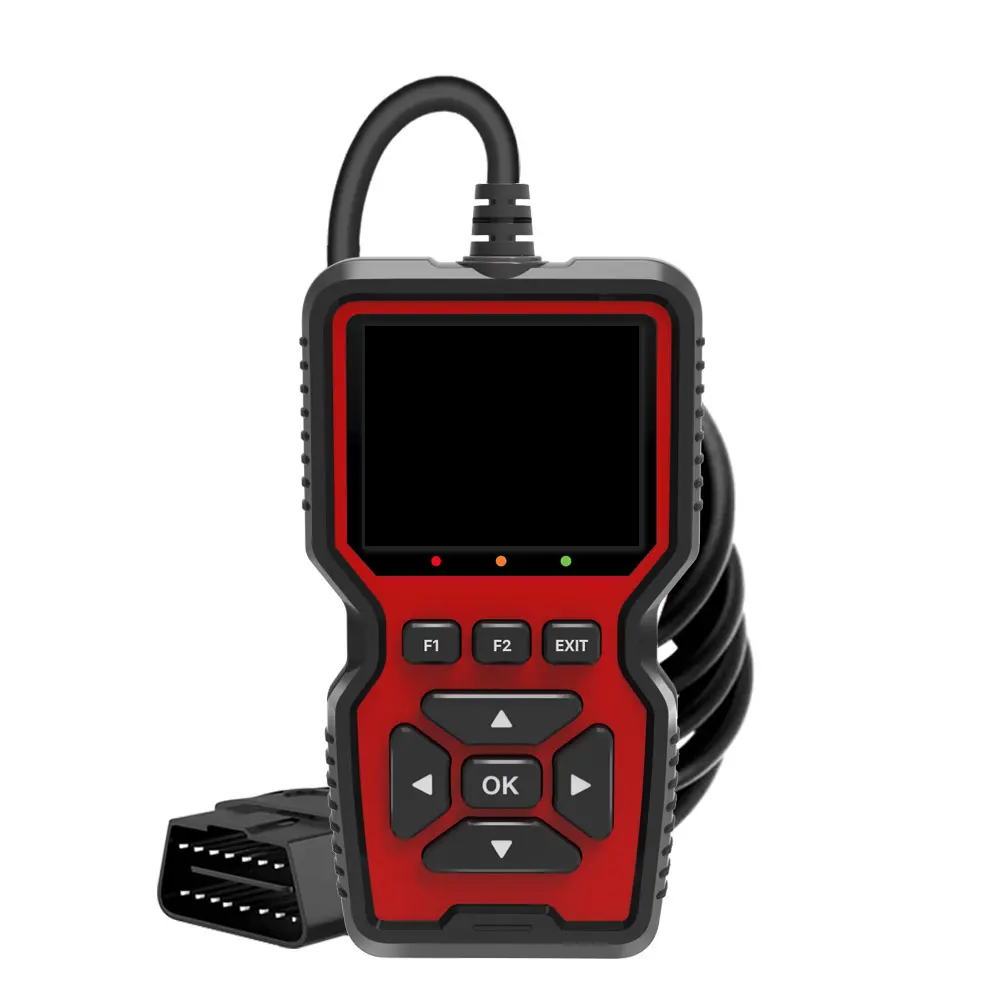
Diagnosis of P0788 requires a methodical approach, utilizing an OBD-II scanner, a digital multimeter (DMM), and thorough visual inspection.
- Retrieve and Analyze DTCs and Freeze Frame Data: Connect an OBD-II scanner to read P0788 and any accompanying codes. Crucially, examine freeze frame data to understand engine speed, vehicle speed, transmission fluid temperature, and gear position at the time the code was set. This context is invaluable.
- Inspect Transmission Fluid Condition and Level: With the engine at operating temperature (or as specified by the manufacturer), check the transmission fluid level. Note its color, odor, and presence of any metal particles or burnt smell. Contaminated or low fluid can significantly impact solenoid operation.
- Visual Inspection of Wiring and Connectors: Carefully inspect the wiring harness leading to the transmission and specifically to the affected shift solenoid. Look for signs of chafing, corrosion, cuts, pinches, or loose connections. Pay close attention to the transmission case connector and the individual solenoid connector within the transmission pan (if applicable).
- Electrical Testing of the Shift Solenoid:
- Resistance Test: Disconnect the electrical connector from the solenoid (or at the transmission case connector if the solenoid is internal). Using a DMM set to ohms, measure the resistance across the two terminals of the solenoid. Compare this reading to manufacturer specifications (typically 10-30 ohms, but varies significantly by make/model). An open circuit (infinite resistance or ‘OL’) confirms an internal solenoid fault.
- Voltage Supply Test: With the key in the “ON” position (KOEO) and the solenoid connector disconnected, measure voltage between the solenoid’s power supply wire and a known good ground. You should read battery voltage (approx. 12V). If no voltage is present, trace the power supply circuit back to the fuse box or PCM/TCM.
- Continuity to Ground (Control Circuit): Reconnect the DMM to the disconnected solenoid connector. Identify the control wire from the PCM/TCM. Measure resistance between this wire’s terminal on the harness side and battery negative. This checks for an open in the ground-side control circuit from the PCM/TCM. The reading should be very low (close to 0 ohms) when the PCM/TCM is commanding the solenoid active (this may require a bidirectional scan tool or a helper to shift gears). A high or infinite resistance suggests an open in the control wire or a faulty PCM/TCM driver.
- Check for Short to Voltage: If the code specifically points to a “High” condition potentially caused by a short to voltage, measure voltage on the solenoid’s control wire (with the solenoid disconnected) while the key is on. If you see battery voltage on a wire that should be a ground-side control, there’s a short to B+ somewhere in that circuit.
- Bi-directional Scanner Test (If Available): Use a professional scan tool with bi-directional control to command the suspected shift solenoid on and off. While doing so, monitor live data for feedback or listen for the solenoid clicking. Simultaneously, monitor the voltage/current on the solenoid control circuit with your DMM to see if the PCM/TCM is properly commanding it.
Recommended Repairs and Solutions
The specific repair will depend on the root cause identified during diagnosis.
- Replace the Faulty Shift Solenoid: This is the most common repair. If the solenoid’s internal resistance is out of specification, or if it fails the bi-directional test, replace it. Often, multiple solenoids are located within the valve body, so ensure you replace the correct one corresponding to the P0788 code. This usually involves dropping the transmission fluid pan, removing the valve body cover or the entire valve body, and replacing the affected solenoid.
- Repair or Replace Wiring Harness/Connectors: If an open circuit, short to voltage, or corroded connector is found, repair or replace the damaged section of the wiring harness. Use appropriate crimp connectors and heat shrink tubing for durable repairs, or replace the entire harness if damage is extensive. Ensure all connectors are clean and securely seated.
- Transmission Fluid Service: If the fluid is low, dirty, or burnt, perform a complete transmission fluid and filter change. Address any leaks causing low fluid levels. This might resolve issues caused by fluid contamination affecting solenoid operation.
- Replace Transmission Control Module (TCM) or Powertrain Control Module (PCM): This should be considered a last resort after thoroughly eliminating all other possibilities, as module replacement is often expensive and may require programming. If all wiring, solenoids, and fluid are confirmed good, and the module’s driver circuit fails to operate the solenoid, then the module is likely at fault.
Mechanic’s Tip: Always use OEM or high-quality aftermarket solenoids to ensure proper operation and longevity. When replacing solenoids, it’s often prudent to inspect other solenoids in the valve body for signs of wear or impending failure, especially if the transmission has high mileage. After any electrical repairs or component replacements, clear the DTCs and perform a road test under various driving conditions to confirm the repair and ensure the code does not return. Some transmissions may also require a transmission relearn procedure after solenoid or valve body replacement to optimize shift quality.