What Does Code P0787 Mean?
DTC P0787, which translates to “Shift/Timing Solenoid Low,” indicates that the Powertrain Control Module (PCM) or Transmission Control Module (TCM) has detected an electrical anomaly in the circuit of a specific shift or timing solenoid within the automatic transmission. The term “Low” typically signifies that the voltage or current within the solenoid’s control circuit is below the manufacturer’s specified threshold, or that the resistance is excessively high, often pointing towards an open circuit, a high-resistance connection, or a short to ground. These solenoids are critical electromechanical components responsible for controlling the hydraulic fluid flow within the valve body, which in turn engages the appropriate clutches and bands for gear changes or regulates line pressure for optimal transmission operation. When the PCM/TCM detects this low circuit condition, it interprets it as a failure of the solenoid to operate correctly, thus impacting the transmission’s ability to execute precise and timely shifts or maintain proper hydraulic pressure. This fault directly affects the transmission’s hydraulic control subsystem, potentially compromising its operational integrity and efficiency.
Common Symptoms
- Malfunction Indicator Light (MIL) illumination: The “Check Engine” light will be activated.
- Harsh or delayed gear engagement: The transmission may shift abruptly or with noticeable lag.
- Transmission slipping: The engine RPMs may increase without a corresponding increase in vehicle speed, indicating a loss of power transfer.
- Failure to engage specific gears: The transmission may refuse to shift into certain gears or remain stuck in one gear.
- Transmission “limp mode” activation: The vehicle’s computer may force the transmission into a default, often higher, gear (e.g., 2nd or 3rd) to prevent further damage, limiting speed and performance.
- Reduced fuel economy: Inefficient gear selection or constant slipping can lead to increased fuel consumption.
- Transmission overheating: Sustained slipping or improper engagement can generate excessive heat within the transmission, potentially leading to more severe internal damage.
What Causes the Code P0787?
- Faulty Shift/Timing Solenoid: The most common cause, where the solenoid itself has an internal electrical open circuit, high resistance, or a short.
- Open or Short in Wiring Harness: Damage to the wiring leading to the solenoid, such as chafing, corrosion, or a complete break, interrupting the electrical signal.
- Poor Electrical Connection: Corroded or loose terminals at the solenoid connector or the PCM/TCM connector, leading to high resistance in the circuit.
- Low or Contaminated Transmission Fluid: While not a direct electrical cause, extremely low fluid levels or heavily contaminated fluid can indirectly lead to solenoid malfunction due to inadequate cooling or lubrication, or debris interfering with solenoid operation.
- Internal Transmission Mechanical Failure: Less common for a “low” circuit code, but issues within the valve body or worn clutch packs could put abnormal strain on the solenoid, or debris could cause a short.
- Failed Powertrain Control Module (PCM) / Transmission Control Module (TCM): Although rare, an internal fault within the control module itself could result in incorrect voltage output or misinterpretation of the solenoid’s circuit status.
How to Diagnose and Troubleshoot
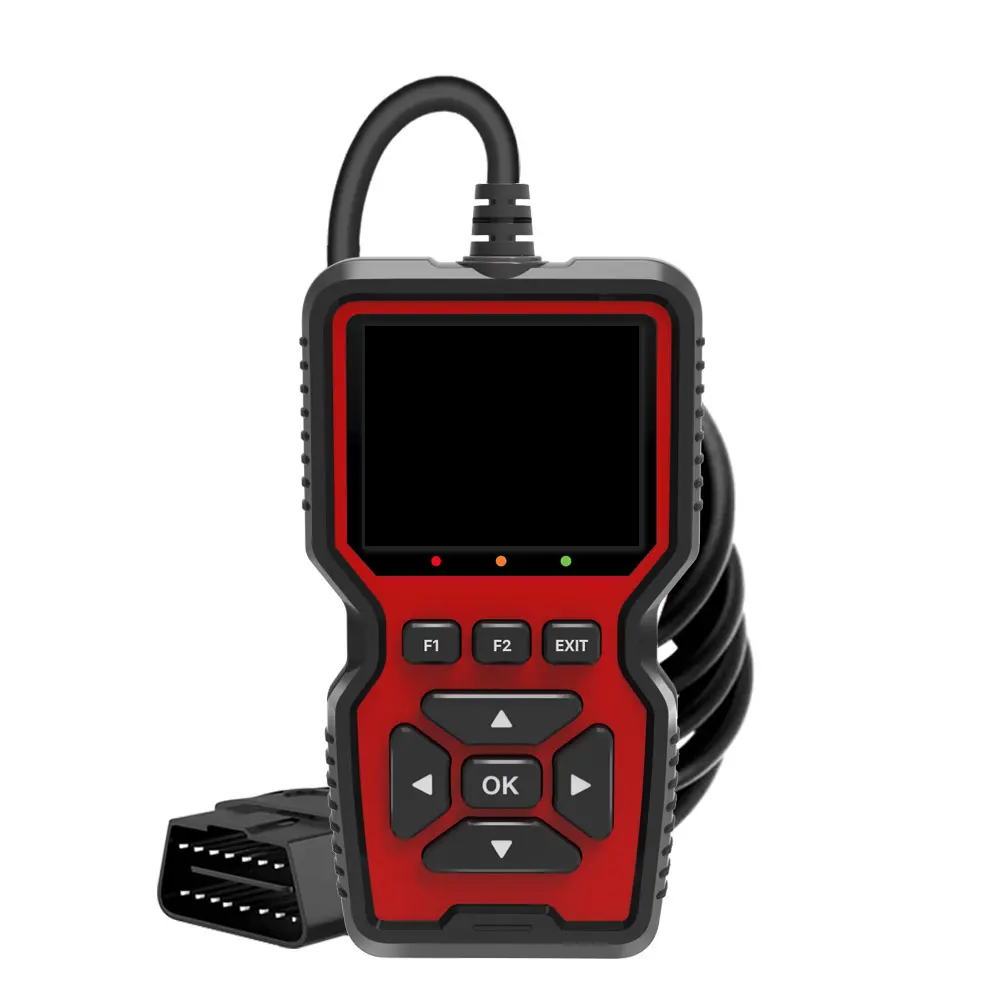
Diagnosing P0787 requires a methodical approach, utilizing a professional-grade OBD-II scanner and a Digital Multimeter (DMM).
- Preliminary Visual Inspection:
- Begin by checking the transmission fluid level and condition. Ensure it’s at the correct level and isn’t burnt or excessively contaminated.
- Carefully inspect the external transmission wiring harness for any visible signs of damage, such as chafing, cuts, or corrosion, particularly around the transmission housing and connectors. Pay close attention to the solenoid’s specific connector for looseness or damage.
- OBD-II Scanner Data Analysis:
- Connect a professional scan tool and confirm P0787 is present. Check for any other related transmission or engine DTCs that could provide additional context.
- Access live data streams. While P0787 doesn’t typically offer specific live data for individual generic solenoids, monitor Transmission Fluid Temperature (TFT) and ensure it’s within normal operating range. Some advanced scanners may allow commanding specific solenoids, if the vehicle provides that functionality for the affected circuit.
- Electrical System Diagnostics (Using DMM):
- Safety First: Always disconnect the vehicle’s battery negative terminal before performing electrical component tests to prevent accidental shorts.
- Identify Solenoid Circuit: Using the vehicle-specific wiring diagram, identify the power and ground wires for the affected shift/timing solenoid at the transmission harness connector.
- Solenoid Resistance Test: If the solenoid is accessible without removing the transmission pan (unlikely for most internal solenoids), or if testing from the external transmission connector towards the solenoid itself is possible, measure the resistance across the solenoid terminals using a DMM set to ohms. Compare the reading to manufacturer specifications (typically 10-30 ohms for most transmission solenoids, but can vary significantly). An “OL” (open loop) or infinitely high reading indicates an open circuit within the solenoid. A reading significantly lower than specifications could indicate an internal short.
- Wiring Harness Continuity Test: With the transmission harness connector disconnected from the transmission and the PCM/TCM connector disconnected, use the DMM (set to continuity or ohms) to check for continuity between the corresponding terminals at the transmission harness connector and the PCM/TCM connector. Look for an open circuit (OL) which would indicate a break in the wire.
- Wiring Harness Short to Ground/Voltage Test: Still with both connectors disconnected, check for continuity between each wire of the solenoid circuit in the harness and a known good chassis ground. Also, check continuity between each wire and any battery voltage sources in the harness. Any continuity indicates a short circuit.
- Voltage Supply Test: Reconnect the PCM/TCM connector. With the ignition ON (engine OFF) and the transmission harness connector still disconnected, check for proper voltage supply to the solenoid circuit (if it’s a battery voltage supply wire). If it’s a switched ground solenoid, expect B+ on one side.
- Internal Inspection (If External Tests Pass):
- If all external electrical tests pass, but the code persists, it may be necessary to drain the transmission fluid and drop the transmission pan.
- Visually inspect the valve body area for any loose wires, debris, or obvious damage to the solenoid itself. In most cases, the shift/timing solenoids are mounted directly on or within the valve body.
- At this point, direct testing of the solenoid’s resistance and potentially actuating it with an external power source (briefly) can be performed to confirm its function.
Recommended Repairs and Solutions
Once the source of the P0787 code has been precisely identified through diagnostic steps, the appropriate repair can be executed:
- Replace Faulty Solenoid: If electrical tests confirm the solenoid itself is faulty (e.g., open circuit, incorrect resistance), it must be replaced. This typically involves dropping the transmission pan, draining the fluid, removing the filter, and accessing the valve body where the solenoid is mounted. Always use an OEM-equivalent or genuine OEM replacement solenoid for optimal performance and compatibility.
- Repair or Replace Wiring Harness: If a damaged or corroded wiring harness is identified as the culprit, the affected section should be professionally repaired or the entire sub-harness replaced. Ensure all connections are secure and weatherproofed to prevent future issues.
- Clean and Secure Connectors: For issues traced to poor electrical connections, thoroughly clean any corrosion from the terminals using a specialized electrical contact cleaner and ensure the connectors are securely seated and locked.
- Transmission Fluid and Filter Service: After replacing internal components or dropping the pan, a complete transmission fluid and filter change is mandatory. Use only the manufacturer-specified transmission fluid type and quantity. This is critical for the long-term health and proper functioning of the transmission.
- PCM/TCM Replacement (Last Resort): Only consider replacing the PCM or TCM after all other possibilities have been exhaustively ruled out and a definitive diagnosis of an internal control module failure has been made. This repair often requires specialized programming and calibration.
- Clear DTCs and Road Test: After completing repairs, use an OBD-II scanner to clear all diagnostic trouble codes. Perform an extended road test under varying driving conditions to ensure the code does not return and that the transmission shifts smoothly and correctly.