What Does Code P0786 Mean?
The OBD-II diagnostic trouble code P0786 signifies a detected malfunction within the transmission’s shift timing or range performance, specifically relating to a shift solenoid. The Powertrain Control Module (PCM), or Transmission Control Module (TCM) in some applications, constantly monitors the operation of the transmission’s electro-hydraulic shift solenoids. These solenoids are critical components responsible for directing hydraulic fluid pressure to engage specific clutch packs or bands, thereby facilitating gear changes. P0786 is set when the PCM/TCM detects that the actual gear ratio, determined by monitoring input and output shaft speed sensors, does not align with the commanded gear ratio within a manufacturer-specified time frame, or if the shift transition associated with a particular solenoid’s activation falls outside of its expected operating range or performance parameters. This indicates that while the solenoid may be commanded to actuate, its physical response in terms of hydraulic pressure delivery or timing is either too slow, insufficient, or erratic, leading to improper gear engagement or a compromised shift event.
Common Symptoms
- Delayed or prolonged gear shifts
- Harsh or abrupt gear engagements
- Transmission slipping between gears
- Inability to engage certain gears
- Reduced fuel economy due to inefficient shifting
- Check Engine Light (MIL) illumination
- Transmission entering “limp home” mode, limiting available gears or engine power
What Causes the Code P0786?
- Faulty Shift Solenoid: The most direct cause, where the internal electrical coil or mechanical plunger of the shift solenoid itself is defective (e.g., stuck open/closed, sluggish movement, internal short/open circuit).
- Contaminated or Low Transmission Fluid: Incorrect fluid level, severely degraded, or contaminated transmission fluid can impede hydraulic pressure, cause blockages, and impair proper solenoid operation and valve body function.
- Clogged Transmission Filter: A restricted transmission filter significantly reduces fluid flow and line pressure, preventing shift solenoids from operating effectively.
- Internal Transmission Hydraulic Passageway Blockages: Accumulation of debris, sludge, or clutch material within the valve body or other hydraulic passages can obstruct fluid flow, leading to improper pressure application.
- Wiring or Connector Issues: Damaged, corroded, frayed, or loose wiring and electrical connectors leading to the specific shift solenoid or the transmission control unit can disrupt electrical signals.
- Valve Body Malfunction: Worn or damaged bores, sticking valves, or internal leaks within the transmission valve body can lead to pressure loss or improper fluid routing, even if the solenoids are electrically functional.
- PCM/TCM Malfunction: Although less common, a faulty Powertrain Control Module or Transmission Control Module could incorrectly interpret sensor data, send erroneous commands to the solenoid, or fail to process solenoid feedback correctly.
How to Diagnose and Troubleshoot
A systematic approach is essential for accurately diagnosing P0786:
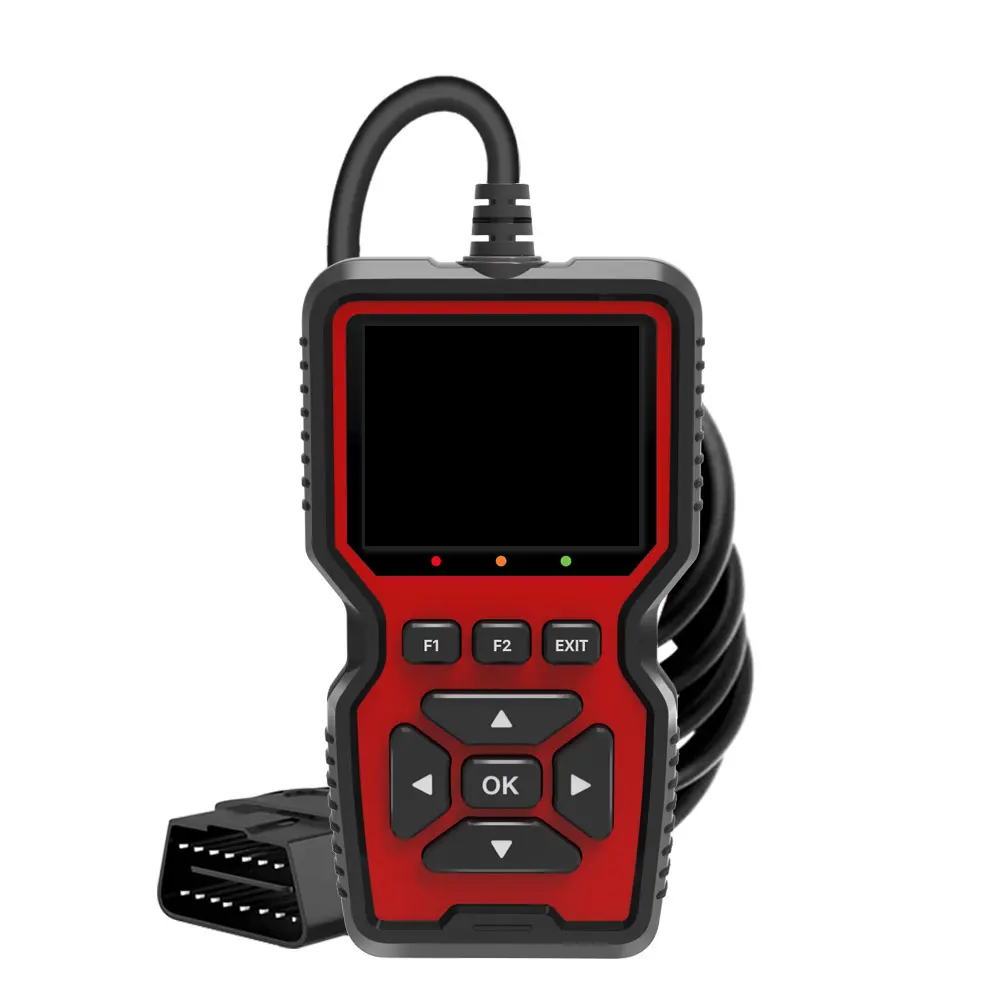
- Verify and Document: Connect an OBD-II scan tool to confirm the P0786 code. Crucially, check for any other related transmission or engine codes (e.g., P07xx series for specific solenoid circuit faults, P0700 for general transmission control system malfunction) and address them first, as they might be root causes. Record freeze frame data for context.
- Transmission Fluid Inspection: Carefully check the transmission fluid level according to manufacturer specifications (engine warm or cold, running or off, vehicle level). Note the fluid’s condition: inspect for dark color, burnt odor, or the presence of metallic particles, which indicate severe internal wear.
- Visual Inspection of Wiring and Connectors: Visually inspect the external wiring harness connecting to the transmission and its shift solenoids. Look for signs of chafing, cuts, corrosion, loose pins, or damaged insulation. Pay close attention to the specific solenoid circuit identified by the service manual for the particular shift event implicated by P0786.
- Live Data Analysis (OBD-II Scan Tool):
- Monitor live data parameters such as input shaft speed, output shaft speed, commanded gear, actual gear ratio, transmission fluid temperature, and solenoid command status.
- During a test drive (if safe and possible), observe discrepancies between commanded and actual gear ratios during shifts. A significant delay or failure to achieve the commanded ratio when the relevant solenoid is activated points towards the P0786 issue.
- Some advanced scan tools allow monitoring of solenoid current or resistance values, which can provide insight into electrical performance under load.
- Electrical Testing (Digital Multimeter – DMM):
- Locate the specific shift solenoid in question (consult the vehicle’s service manual). Disconnect the solenoid’s electrical connector.
- Measure the resistance across the solenoid’s terminals using a DMM. Compare this reading to manufacturer specifications (typically 10-25 ohms). An open circuit (infinite resistance) or a short circuit (near zero ohms) indicates an internal electrical fault within the solenoid.
- With the solenoid still disconnected, check for proper voltage supply to the solenoid’s harness connector (often battery voltage or a controlled voltage from the TCM/PCM). Also, check for proper ground continuity to the solenoid’s return circuit.
- Perform a voltage drop test across the solenoid’s power and ground circuits to identify excessive resistance in the wiring itself.
- Actuator Tests (Bi-directional Scan Tool): If the scan tool supports bi-directional control, attempt to command the suspect shift solenoid on and off. Listen for an audible click from the solenoid or observe any changes in live data streams that confirm its electrical response.
- Transmission Pressure Testing (Advanced): If all electrical checks pass, and symptoms persist, a more advanced diagnosis involving transmission pressure gauges may be necessary. This involves measuring line pressure and clutch apply pressures during specific shift events to pinpoint hydraulic failures within the valve body or internal transmission components.
Recommended Repairs and Solutions
Addressing the P0786 code typically involves the following repairs, ordered from most common to least:
- Replace Faulty Shift Solenoid: If electrical tests definitively identify a defective shift solenoid, replacement is necessary. This often requires dropping the transmission pan, draining the fluid, and removing the valve body cover to access the solenoids. Always use OEM or high-quality aftermarket solenoids to ensure proper operation and longevity.
- Transmission Fluid and Filter Service: If the transmission fluid is low, visibly contaminated, or has a burnt odor, perform a complete transmission fluid and filter change. Ensure to use the exact type of transmission fluid specified by the vehicle manufacturer (e.g., DEXRON, MERCON, ATF+4, CVTF), as incorrect fluid can lead to further issues.
- Repair Wiring or Connectors: Any damaged, corroded, or loose wiring and electrical connectors identified during the visual and electrical inspections must be repaired or replaced. Use appropriate wiring repair techniques, including solder and heat-shrink tubing, for durable connections.
- Valve Body Replacement or Repair: If extensive internal hydraulic blockages, worn valve bores, or sticking valves within the valve body are suspected (especially if solenoid replacement does not resolve the issue), the entire valve body assembly may need to be rebuilt or replaced. This is a more involved and costly repair.
- PCM/TCM Reprogramming or Replacement: Only consider replacing or reprogramming the Powertrain Control Module or Transmission Control Module after all other potential causes have been thoroughly investigated and ruled out. This is a rare cause for P0786 and should be approached with extreme caution and verification.
- Post-Repair Procedures: After any transmission repair, it is critical to clear all stored Diagnostic Trouble Codes (DTCs) from the PCM/TCM. Subsequently, perform a comprehensive test drive under varying load and speed conditions to allow the control module to relearn shift parameters and confirm the repair. Some vehicles may require specific “fast relearn” or adaptive shift learning procedures using a factory-level scan tool.