
Overview & Design Features
The Acura C32A1 is a naturally aspirated, 3.2-liter (3206 cc) V6 engine, a notable offering from Honda’s premium automotive division, Acura. Developed during a period when Acura was solidifying its reputation for luxury and performance, this engine played a crucial role in powering the first-generation Legend sedan and coupe models. Introduced in the early 1990s, the C32A1 represented a blend of Honda’s engineering prowess, delivering smooth power delivery, refined operation, and robust reliability, hallmarks of the brand’s premium vehicles.
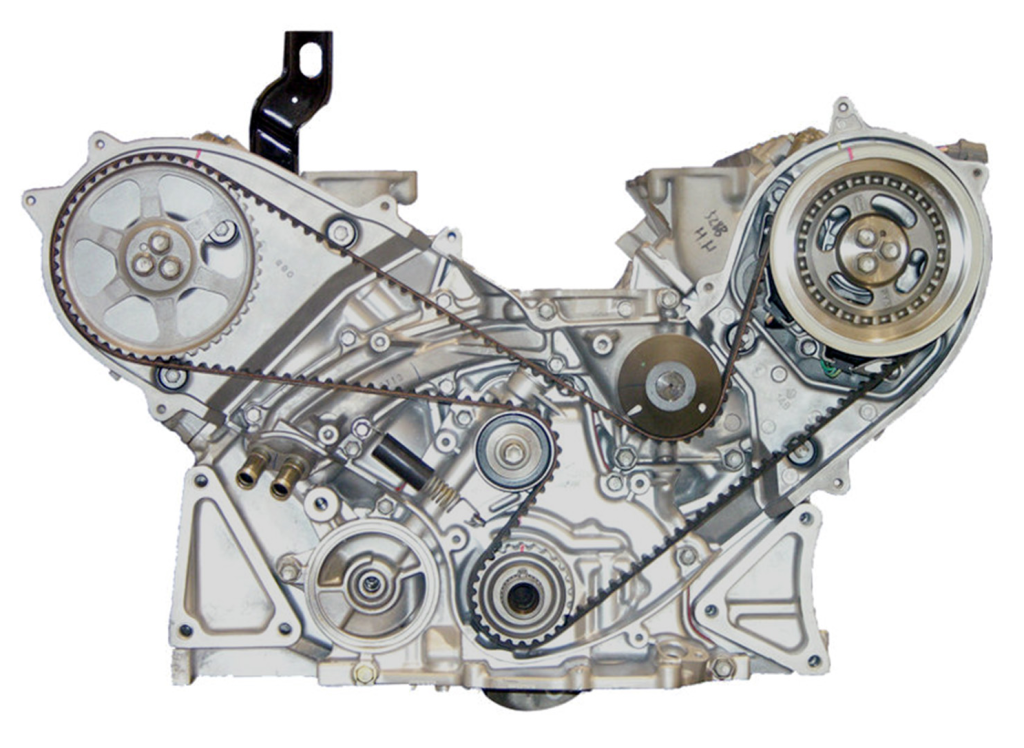
Engineered for sophisticated performance, the C32A1 features a 90-degree V6 configuration with an aluminum alloy cylinder block and heads, contributing to reduced weight and improved heat dissipation. It utilizes a Single Overhead Camshaft (SOHC) design for each cylinder bank, actuating four valves per cylinder (24 valves total). Fuel delivery is managed by Honda’s Programmed Fuel Injection (PGM-FI) system, a multi-point port injection setup known for its precise fuel metering and responsiveness. The engine’s design prioritizes a broad torque curve and smooth operation, rather than high-RPM peak power, aligning with the luxury touring characteristics of the vehicles it powered.
The Acura C32A1 engine was exclusively deployed in the second generation (North American market) Acura Legend models. Specifically, it powered the 1991-1995 Legend sedan (model designation KA7) and the 1991-1995 Legend coupe (model designation KA8). These vehicles were acclaimed for their executive comfort, sophisticated styling, and refined driving dynamics, with the C32A1 engine serving as a cornerstone of their performance identity.
Technical Specifications
| Displacement (cc) | 3206 |
| Max Power (hp (kW) @ RPM) | 200 hp (149 kW) @ 5500 RPM |
| Max Torque (Nm (kg*m) @ RPM) | 272 Nm (27.7 kg*m) @ 4500 RPM |
| Fuel Type | Premium Unleaded (91+ Octane Recommended) |
| Fuel Consumption (l/100 km) | Approximately 10.5 – 12.5 (Combined Cycle) |
| Engine Type | Naturally Aspirated SOHC V6 |
| Compression Ratio | 9.6:1 |
| Cylinder Bore (mm) | 90.0 |
| Piston Stroke (mm) | 84.0 |
| Valvetrain | SOHC (Single Overhead Camshaft) |
| Valves per Cylinder | 4 (24 valves total) |
| Additional Info | PGM-FI (Programmed Fuel Injection), Timing Belt Driven |
Common Problems & Reliability
The Acura C32A1 is renowned for its robust construction and overall reliability, though certain common issues can arise, particularly in high-mileage examples. A significant concern for this engine generation is the critical maintenance of the timing belt and water pump assembly. Failure to adhere to the manufacturer’s recommended replacement intervals can lead to catastrophic engine damage, as the C32A1 is an interference engine. Another prevalent issue involves oil leaks, typically from the valve cover gaskets, oil pan gasket, and camshaft seals, which tend to harden and crack with age and heat cycles. While generally minor, these leaks can escalate if neglected, leading to lower oil levels and potential component damage.
Additionally, issues with the distributor and ignition system components (cap, rotor, ignition coils, spark plug wires) can occur, manifesting as misfires, rough idle, or starting difficulties due to wear and tear. Less common but possible are failures of the main crankshaft seals or rear main seal, which are more labor-intensive to repair. With diligent maintenance, including timely fluid changes and adherence to the timing belt schedule, the C32A1 engine is capable of exceeding 250,000 to 300,000 kilometers (150,000 to 200,000 miles) before requiring a major overhaul.
Maintenance Tips & Service Schedule
- Engine Oil & Filter: Regular oil changes are paramount. Use a high-quality API SN or SP rated 5W-30 conventional or synthetic blend engine oil. Replace oil and filter every 5,000-7,500 km (3,000-5,000 miles) or every 6 months, whichever comes first, to ensure optimal lubrication and prevent sludge buildup.
- Timing Belt & Water Pump: This is the most critical service item. The timing belt, water pump, tensioner, and idler pulleys should be replaced every 168,000 km (105,000 miles) or 7 years, whichever occurs first. Proactive replacement is highly recommended to avoid severe engine damage.
- Spark Plugs: Inspect spark plugs at 48,000 km (30,000 miles) and replace them with appropriate platinum or iridium-tipped plugs every 100,000-160,000 km (60,000-100,000 miles) for consistent ignition performance.
- Coolant Flush: Perform a cooling system flush and refill with Honda-approved coolant every 60,000 km (36,000 miles) or every 3-5 years to maintain cooling efficiency and prevent corrosion.
- Air Filter & Fuel Filter: Inspect the engine air filter annually and replace it as needed, typically every 24,000-48,000 km (15,000-30,000 miles). The fuel filter generally has a longer service life but should be considered for replacement at high mileage (e.g., 160,000 km / 100,000 miles) or if fuel delivery issues are suspected.
- Valve Adjustment: As a SOHC design, the valves may require periodic inspection and adjustment. Refer to the manufacturer’s service manual for specific intervals, typically around 160,000 km (100,000 miles).
Conclusion
The Acura C32A1 engine stands as a testament to Honda’s engineering excellence from its era, offering a compelling blend of smooth power, quiet operation, and impressive longevity. For a used vehicle buyer, an Acura Legend equipped with the C32A1 represents a potentially excellent choice, provided the vehicle has a verifiable and comprehensive service history. The engine’s primary vulnerability lies in the critical timing belt service; if this has been neglected, significant repair costs can be incurred. However, with proper, documented maintenance, particularly adherence to the timing belt and fluid replacement schedules, the C32A1 is an exceptionally durable and reliable powertrain that continues to deliver a refined driving experience, making it a safe and rewarding choice for discerning enthusiasts.