
Overview & Design Features
The GMC L52, also known as the Vortec 3500, is a 3.5-liter inline five-cylinder gasoline engine produced by General Motors. Introduced in 2004 as part of the modular Atlas engine family, the L52 was designed to replace traditional V6 engines in GM’s mid-size truck and SUV lineup. By utilizing an inline-five configuration, GM engineered a powerplant that aimed to deliver the fuel economy of a four-cylinder engine combined with the torque characteristics of a larger V6.
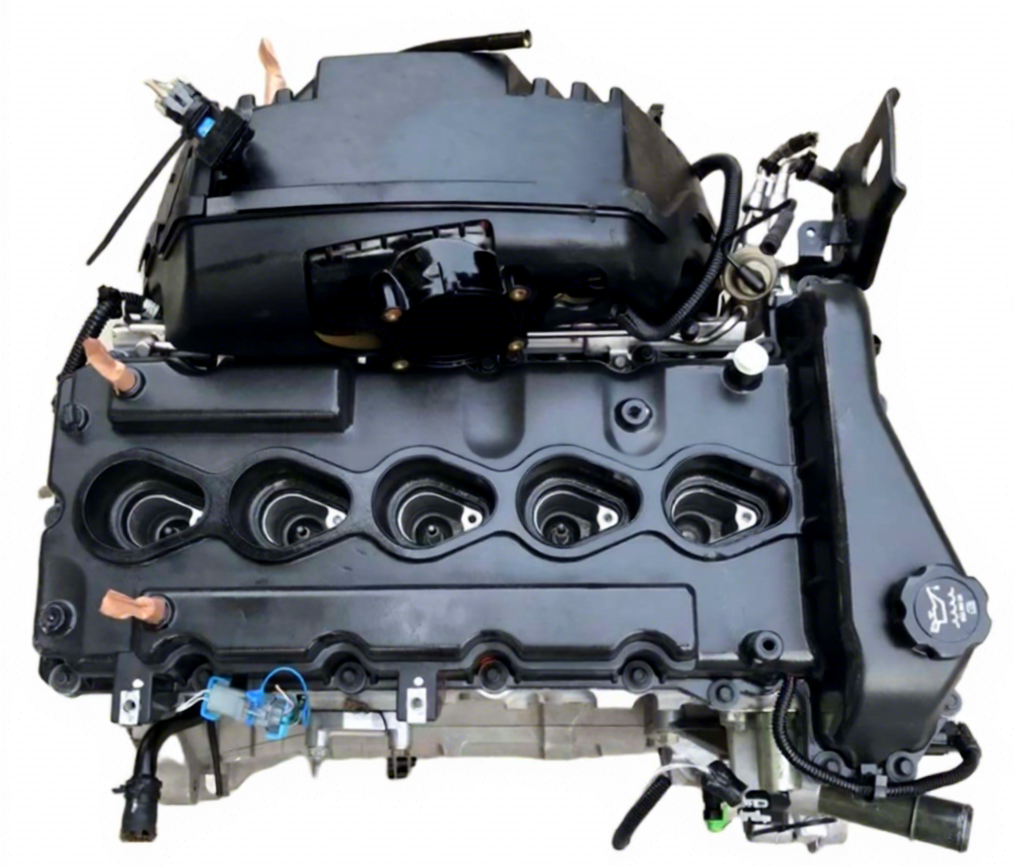
Engineered with advanced materials, the L52 features an all-aluminum cylinder block and cylinder head, which significantly reduces the overall weight of the engine bay. The block utilizes a lost-foam casting process and contains twin counter-rotating balance shafts to neutralize the secondary vibrations inherent to the inline-five cylinder firing order. The valvetrain consists of dual overhead camshafts (DOHC) with four valves per cylinder and variable valve timing (VVT) on the exhaust camshaft. Fuel delivery is managed via a reliable sequential multi-port fuel injection system, which coordinates with an electronic throttle control system to optimize throttle response.
The L52 engine was specifically tailored for mid-size utility vehicles and trucks. It served as the standard or optional powerplant for the GMC Canyon and Chevrolet Colorado from 2004 to 2006. Additionally, this engine was utilized in the Hummer H3 and the Isuzu i-350 during the 2006 model year, after which it was succeeded by the larger 3.7-liter LTR engine.
Technical Specifications
| Displacement (cc) | 3,464 cc (3.5 Liters) |
| Max Power (hp (kW) @ RPM) | 220 hp (164 kW) @ 5,600 RPM |
| Max Torque (Nm (kg*m) @ RPM) | 305 Nm (31.1 kg*m) @ 2,800 RPM |
| Fuel Type | Gasoline (Regular Unleaded) |
| Fuel Consumption (l/100 km) | Approximately 12.4 l/100 km combined |
| Engine Type | Inline 5-cylinder (I5) |
| Compression Ratio | 10.0:1 |
| Cylinder Bore (mm) | 93.0 mm |
| Piston Stroke (mm) | 102.0 mm |
| Valvetrain | DOHC with exhaust Variable Valve Timing (VVT) |
| Valves per Cylinder | 4 (20 valves total) |
| Additional Info | Features a structural aluminum oil pan and coil-on-plug ignition. |
Common Problems & Reliability
- Soft Valve Seats: The most notable mechanical vulnerability of the GMC L52 is premature valve seat wear in the cylinder head. On models produced between 2004 and late 2006, the soft valve seats would wear down, leading to compression loss, rough idling, and a persistent P0300 misfire code. General Motors addressed this by extending the warranty on the cylinder head, and many affected vehicles have since received updated heads with hardened valve seats.
- Throttle Body Carbon Buildup: This engine is prone to carbon accumulation in the electronic throttle body, which can disrupt idle quality and trigger warning lights.
- Timing Chain Tensioner Wear: At higher mileages, the timing chain tensioners can wear out, leading to chain slack and a noticeable rattle upon cold startup.
Despite these issues, when the cylinder head defect has been addressed, the L52 is a highly durable engine. Under proper care and timely maintenance, the expected service life easily exceeds 200,000 miles (320,000 km) before requiring a major overhaul.
Maintenance Tips & Service Schedule
To maintain peak performance and maximize the lifespan of the L52, strict adherence to a professional maintenance schedule is required:
- Engine Oil: Change the engine oil every 5,000 miles (8,000 km) using high-quality 5W-30 synthetic oil. The L52 is highly sensitive to dirty oil, which can clog the VVT solenoids and timing chain passages.
- Spark Plugs: Replace the iridium-tipped spark plugs every 100,000 miles (160,000 km) to maintain clean ignition and prevent ignition coil failure.
- Cooling System: Perform a Dex-Cool coolant flush every 5 years or 150,000 miles (240,000 km) to avoid internal corrosion and thermostat failure.
- Intake Maintenance: Inspect and clean the electronic throttle body every 30,000 miles (48,000 km) to prevent idle fluctuation.
Conclusion
The GMC L52 represents an innovative approach to mid-size truck propulsion, offering a unique balance of low-end torque and packaging efficiency. For a used vehicle buyer, it is a safe and reliable choice, provided that the cylinder head has already been replaced with the upgraded, hardened-seat version. Verifying the service history for this specific repair is crucial. When properly maintained with regular oil changes and clean intake components, the L52 stands as a robust and long-lasting engine capable of demanding utility work.