
Overview & Design Features
The GMC LAF engine is a prominent member of General Motors’ highly successful High Feature (HF) V6 engine family, specifically a 3.6-liter variant. Manufactured by General Motors, this naturally aspirated, six-cylinder powerplant was introduced to the market as a robust and efficient option for various utility vehicles. Known for its sophisticated engineering and balanced performance, the LAF played a crucial role in powering a generation of crossovers and SUVs, establishing a reputation for its blend of power and refined operation.
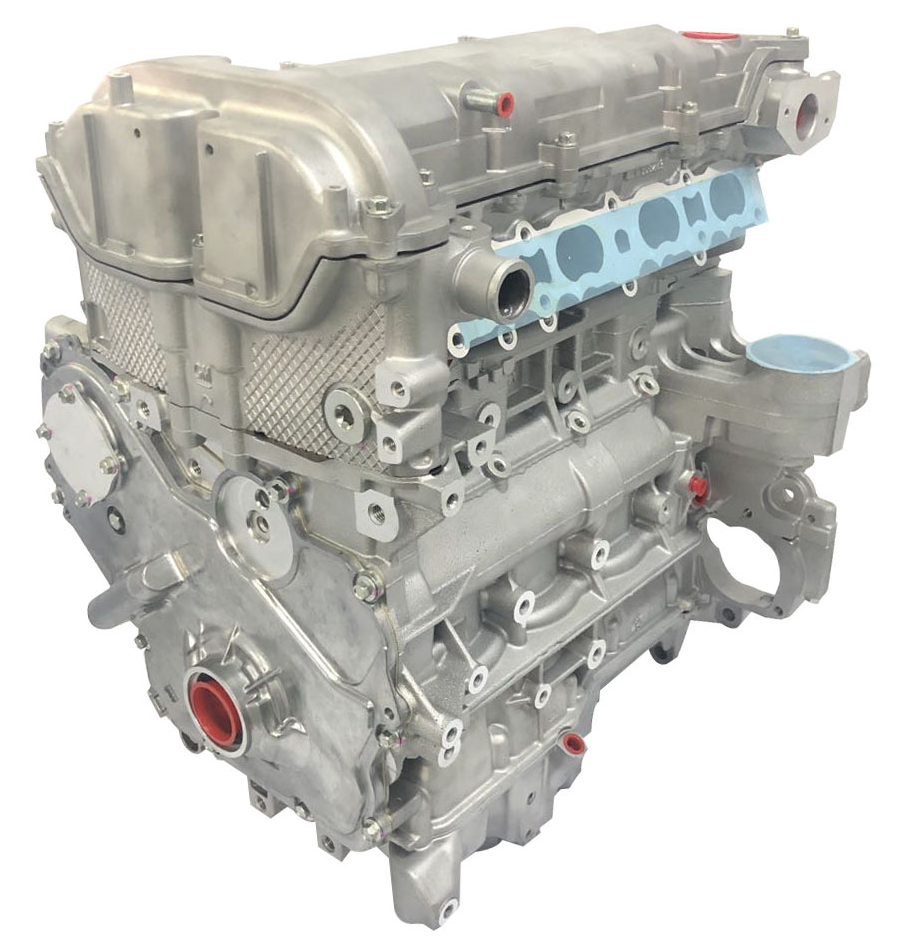
At its core, the LAF engine features an all-aluminum construction for both its cylinder block and cylinder heads, contributing to reduced overall vehicle weight and improved thermal management. It employs a modern dual overhead camshaft (DOHC) design with four valves per cylinder, facilitating optimal airflow and combustion efficiency. A key technological advancement in the LAF is its implementation of gasoline direct injection (GDI), which delivers fuel directly into the combustion chambers for precise mixture control and enhanced fuel economy. Furthermore, the engine incorporates continuously variable valve timing (VVT) on both intake and exhaust camshafts, optimizing valve overlap and lift across the RPM range to improve power delivery, emissions, and fuel efficiency. Some versions also featured Active Fuel Management (AFM), allowing for cylinder deactivation under light load conditions to further conserve fuel.
The GMC LAF engine was primarily deployed across a range of General Motors’ large crossover SUVs. Key applications include the 2009-2017 GMC Acadia, the 2009-2017 Chevrolet Traverse, and the 2009-2017 Buick Enclave. It also powered the short-lived Saturn Outlook from 2009 until the brand’s discontinuation. This engine served as a workhorse in these platforms, often being the sole or primary powertrain option for many trim levels, highlighting its versatility and reliability in demanding family vehicle applications.
Technical Specifications
| Displacement (cc) | 3564 |
| Max Power (hp (kW) @ RPM) | 281-288 hp (210-215 kW) @ 6300 RPM |
| Max Torque (Nm (kg*m) @ RPM) | 361-366 Nm (36.8-37.3 kg*m) @ 3400 RPM |
| Fuel Type | Unleaded Gasoline (87+ Octane Recommended) |
| Fuel Consumption (l/100 km) | Combined: 10.7 – 12.4 (depending on vehicle/drivetrain) |
| Engine Type | V6, DOHC, Naturally Aspirated |
| Compression Ratio | 11.3:1 |
| Cylinder Bore (mm) | 94.0 |
| Piston Stroke (mm) | 85.6 |
| Valvetrain | DOHC, Variable Valve Timing (VVT) |
| Valves per Cylinder | 4 |
| Additional Info | Direct Injection (DI), Active Fuel Management (AFM – on some variants) |
Common Problems & Reliability
While the GMC LAF engine is generally regarded as reliable, certain mechanical weak points and common failures have been observed over its service life. One of the most significant concerns for earlier High Feature V6 engines, including the LAF, involved premature wear of the timing chain. This issue was often exacerbated by extended oil change intervals recommended by the manufacturer, leading to excessive chain stretch, diagnostic trouble codes, and potential engine damage if left unaddressed. Another prevalent issue, particularly on LAF variants equipped with Active Fuel Management (AFM), is the failure of the AFM lifters. These specialized lifters can stick or collapse, causing misfires, ticking noises, and reduced engine performance. Lastly, as a direct-injection engine, the LAF is susceptible to carbon buildup on the intake valves. Without the cleansing effect of fuel passing over the valves, deposits can accumulate, restricting airflow and leading to reduced power, rough idle, and decreased fuel efficiency over time.
With diligent maintenance and timely addressing of known issues, the LAF engine can demonstrate a commendable service life. Properly cared for units are realistically expected to reach or exceed 200,000 miles (approximately 320,000 km) before requiring a major overhaul.
Maintenance Tips & Service Schedule
Proactive maintenance is crucial for maximizing the longevity and performance of the GMC LAF engine. The most critical maintenance aspect involves engine oil changes. It is strongly recommended to use a high-quality synthetic 5W-30 engine oil and adhere to stricter change intervals than initially suggested by GM for some models. Intervals of 5,000 to 7,500 miles (8,000 to 12,000 km) or every 6-9 months are advised, especially for vehicles frequently driven in stop-and-go traffic or under heavy loads. This practice helps mitigate timing chain wear and carbon buildup.
Spark plugs should be inspected and replaced every 100,000 miles (160,000 km) using manufacturer-specified iridium-tipped plugs. The engine air filter requires replacement every 30,000 miles (48,000 km) or sooner in dusty conditions. Given the timing chain’s susceptibility to wear, attentive listening for rattling or whining noises from the front of the engine is essential, particularly during cold starts. While there is no scheduled replacement interval for the timing chain, professional inspection is recommended around 100,000-120,000 miles (160,000-190,000 km), or immediately if symptoms arise. The coolant, typically GM’s Dex-Cool, should be flushed and replaced every 5 years or 100,000 miles (160,000 km). Periodically, a quality fuel system cleaner containing PEA (polyether amine) can be used to help reduce carbon deposits on intake valves and fuel injectors.
Conclusion
The GMC LAF engine represents a generally robust and capable powertrain for the utility vehicles it served. Its blend of direct injection, variable valve timing, and aluminum construction provides a good balance of power, efficiency, and refinement. For a used vehicle buyer, the LAF engine can be a safe and reliable choice, provided its maintenance history is thoroughly vetted. Buyers should prioritize vehicles with documented, consistent oil changes using synthetic oil and be aware of the potential for timing chain issues, AFM lifter failures, and carbon buildup. With proper preventative maintenance and prompt attention to any emerging symptoms, the LAF engine offers a solid foundation for many years of dependable service.