
Overview & Design Features
The GMC Vortec 5000 L30 engine is a robust, naturally aspirated V8 internal combustion engine, part of General Motors’ venerable Gen I-E small-block family. Manufactured by General Motors, this engine features a displacement of 5.0 liters (4998 cc or 305 cubic inches). Introduced in 1996, the L30 was engineered specifically for light-duty truck and SUV applications, building upon a long legacy of GM’s small-block V8 designs while incorporating modern improvements for efficiency and emissions compliance, effectively bridging the gap between older small-blocks and the newer Gen III (LS) architecture.
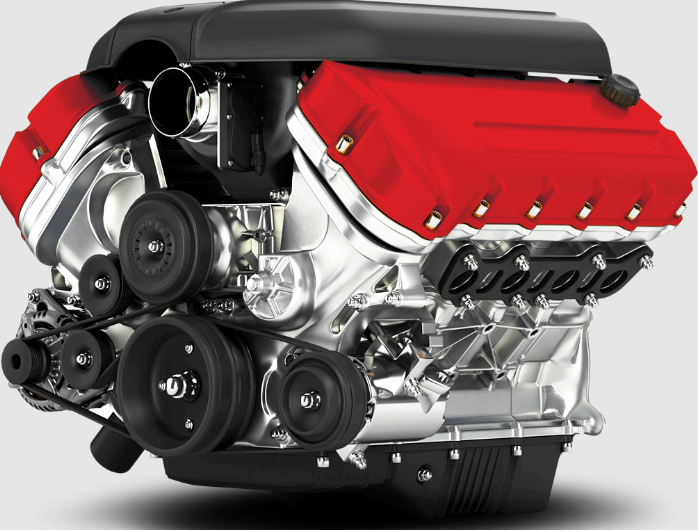
At its core, the Vortec 5000 L30 utilizes a durable cast iron block and cast iron cylinder heads, ensuring longevity and resistance to heat and wear. The valvetrain consists of a traditional Overhead Valve (OHV) pushrod design with two valves per cylinder and hydraulic roller lifters, contributing to its compact size and low-end torque characteristics. A significant technological update for this generation was the implementation of Sequential Central Port Injection (SCPI), a multi-point fuel injection system that utilized a central fuel block with individual lines to each intake port, improving fuel atomization and efficiency over previous TBI systems. This system delivered precise fuel delivery without requiring individual injectors at each intake runner, which was a cost-effective and performance-enhancing solution at the time.
The Vortec 5000 L30 engine was prominently featured across a range of General Motors’ light-duty trucks and SUVs from its introduction in 1996 until approximately 2002. Primary vehicle applications included the Chevrolet C/K 1500 and GMC Sierra 1500 series pickup trucks, Chevrolet Tahoe and GMC Yukon SUVs, and Chevrolet Express and GMC Savana full-size vans. Its deployment was typically in base and mid-range trim levels, serving as a reliable workhorse for consumers seeking a balance of power, towing capability, and fuel economy in a lighter-duty chassis.
Technical Specifications
| Displacement (cc) | 4998 |
| Max Power (hp (kW) @ RPM) | 230 hp (172 kW) @ 4600 RPM |
| Max Torque (Nm (kg*m) @ RPM) | 386 Nm (39.4 kg*m) @ 2800 RPM |
| Fuel Type | Unleaded Gasoline |
| Fuel Consumption (l/100 km) | Approx. 13-16 (combined, varies by vehicle/driving) |
| Engine Type | OHV V8, Naturally Aspirated |
| Compression Ratio | 9.1:1 |
| Cylinder Bore (mm) | 94.9 |
| Piston Stroke (mm) | 88.4 |
| Valvetrain | OHV, Hydraulic Roller Lifters |
| Valves per Cylinder | 2 |
| Additional Info | Cast Iron Block & Heads, Sequential Central Port Injection (SCPI) |
Common Problems & Reliability
The Vortec 5000 L30 engine is generally considered robust; however, several common issues are known to arise, particularly with higher mileage. One prevalent problem involves the Sequential Central Port Injection (SCPI) spider assembly. The plastic fuel lines and poppet nozzles within this system can degrade, clog, or leak over time, leading to misfires, rough idle, reduced fuel economy, and a check engine light. An upgraded Multiport Fuel Injection (MFI) spider assembly is a common and recommended replacement, offering improved reliability and fuel atomization. Another frequent failure point is the intake manifold gaskets. The plastic lower intake manifold gaskets are prone to cracking and leaking, resulting in external coolant leaks or internal vacuum leaks that can cause rough idle, lean fuel conditions, and potential coolant contamination in the oil. Lastly, wear on the distributor gear, cap, and rotor is common at higher mileages, leading to ignition timing issues, misfires, or stalling. Regular inspection and replacement of these components are necessary.
With proper and consistent maintenance, including timely oil changes, regular coolant flushes, and proactive attention to common wear items, the Vortec 5000 L30 engine exhibits an impressive service life. It is realistic to expect these engines to achieve 200,000 to 250,000 miles (approximately 320,000 to 400,000 kilometers) before requiring a major overhaul.
Maintenance Tips & Service Schedule
Maintaining the Vortec 5000 L30 properly is crucial for extending its lifespan and maximizing reliability. Adherence to a strict service schedule helps mitigate common issues. For engine oil changes, replacement is recommended every 5,000-7,500 km (3,000-4,500 miles) or every six months, whichever comes first, utilizing 5W-30 conventional or synthetic blend oil that meets API SN/SP specifications. This ensures optimal lubrication and protection for the OHV valvetrain and bottom end.
Spark plugs should be inspected and replaced every 80,000-100,000 km (50,000-60,000 miles) to maintain efficient combustion and prevent misfires. During this service, the distributor cap and rotor should also be checked for wear and replaced if necessary. The cooling system requires attention, with a complete coolant flush and refill recommended every 5 years or 150,000 km (90,000 miles), using a suitable long-life silicate-free coolant. Inspect all hoses, the thermostat, and the water pump for leaks or signs of wear during this interval. The air filter should be replaced every 20,000-30,000 km (12,000-18,000 miles) or annually to ensure proper airflow and fuel efficiency. Proactive attention to any symptoms of SCPI failure or intake manifold gasket leaks will prevent more significant issues down the line.
Conclusion
The GMC Vortec 5000 L30 engine represents a solid and dependable choice for a used vehicle buyer seeking a robust, no-nonsense V8. Its cast iron construction and OHV design contribute to its inherent durability and suitability for truck and SUV applications. While known issues such as the SCPI system and intake manifold gaskets exist, these problems are well-documented, have readily available repair solutions (often with upgraded parts), and are typically not catastrophic if addressed promptly. For a buyer prioritizing mechanical simplicity, strong low-end torque, and a high potential for longevity, a Vortec 5000 L30-equipped vehicle, provided it has a verifiable history of proper maintenance, represents a safe and reliable investment that can continue to serve reliably for many years and miles.