
Overview & Design Features
The GMC Vortec 5700 L31 engine stands as a significant iteration within General Motors’ long-standing small-block V8 lineage. Introduced for the 1996 model year, this 5.7-liter (350 cubic inch) naturally aspirated V8 engine served as a cornerstone powerplant for a wide array of GM light trucks and SUVs through the early 2000s. It represents the final and most refined Gen I small-block engine for production trucks, earning a reputation for robust construction, reliable performance, and ample low-end torque, essential attributes for the utility vehicles it powered during its tenure.
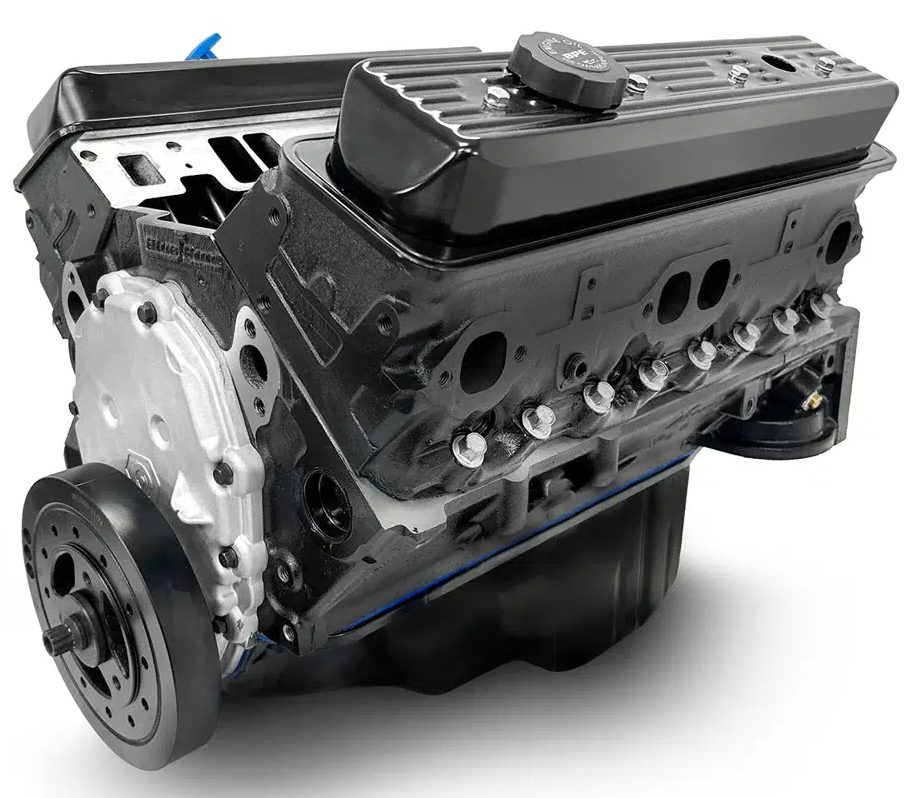
Engineered for durability and cost-effectiveness, the L31 features a sturdy cast iron block, ensuring structural integrity under demanding conditions. A notable upgrade from earlier Gen I small-blocks was the adoption of lightweight aluminum cylinder heads, contributing to improved heat dissipation and slightly better power-to-weight characteristics, while retaining the proven two-valve per cylinder, overhead valve (OHV) pushrod design. Fuel delivery was managed by a Sequential Central Multi-port Fuel Injection (SCMFI) system, often referred to as a “spider” injector assembly, which replaced the less precise Throttle Body Injection (TBI) of its predecessors, enhancing fuel efficiency and emissions control without incorporating complex variable valve timing systems.
Throughout its production run, primarily from 1996 to 2000, the Vortec 5700 L31 was the primary V8 engine option in many of General Motors’ most popular light-duty trucks and utility vehicles. Key deployments included the Chevrolet C/K 1500, 2500, and 3500 series pickup trucks, Chevrolet Tahoe and Suburban, GMC Yukon and Yukon XL, as well as the Chevrolet Express and GMC Savana full-size vans. It also powered the first-generation Cadillac Escalade, underlining its versatility across various vehicle segments requiring substantial towing and hauling capabilities.
Technical Specifications
| Specification | Value |
|---|---|
| Displacement (cc) | 5733 cc (350 cu in) |
| Max Power (hp (kW) @ RPM) | 255 hp (190 kW) @ 4600 RPM |
| Max Torque (Nm (kg*m) @ RPM) | 447 Nm (45.6 kg*m) @ 2800 RPM |
| Fuel Type | Unleaded Gasoline |
| Fuel Consumption (l/100 km) | 14-18 L/100 km (combined, vehicle dependent) |
| Engine Type | Naturally Aspirated V8 |
| Compression Ratio | 9.4:1 |
| Cylinder Bore (mm) | 101.6 mm (4.00 inches) |
| Piston Stroke (mm) | 88.4 mm (3.48 inches) |
| Valvetrain | Overhead Valve (OHV), Pushrod |
| Valves per Cylinder | 2 |
| Additional Info | Cast Iron Block, Aluminum Cylinder Heads, Sequential Central Multi-port Fuel Injection (SCMFI) |
Common Problems & Reliability
The Vortec 5700 L31 engine is widely regarded for its foundational reliability, a hallmark of the GM small-block design. However, specific components are known to be common failure points, primarily related to its fuel and induction systems. The Central Multi-port Fuel Injection (CMFI) “spider” assembly is a frequent culprit, with internal fuel pressure regulators or individual poppet-style injectors prone to failure, leading to misfires, rough idle, hard starting, or reduced fuel economy. Replacement often involves upgrading to a multi-port conversion kit that replaces the poppet valves with more robust conventional pintle-style injectors.
Another prevalent issue involves the intake manifold gaskets. Over time, the plastic composition of these gaskets can degrade, leading to external coolant leaks, often visible around the front of the intake manifold. Less commonly, internal coolant leaks can occur, potentially leading to coolant contamination of the oil. Additionally, vacuum leaks from compromised intake gaskets can cause lean running conditions, rough idle, and various drivability issues. Finally, components of the ignition system, specifically the distributor cap, rotor, and sometimes the crankshaft position sensor, are prone to wear or failure, manifesting as intermittent engine stalling, misfires, or difficulty starting.
Despite these common concerns, which are well-documented and repairable, the core mechanicals of the L31 engine are exceptionally durable. With proper and timely maintenance, it is common for these engines to achieve service lives well in excess of 200,000 miles (320,000 km), with many examples exceeding 300,000 miles (480,000 km) before requiring major internal overhauls.
Maintenance Tips & Service Schedule
Maintaining the Vortec 5700 L31 effectively extends its operational lifespan and mitigates common issues. Adherence to a strict service schedule is paramount. Engine oil and filter changes are recommended every 5,000 km (3,000 miles) or every 3-6 months, using a high-quality 5W-30 conventional or synthetic blend motor oil to ensure proper lubrication and reduce wear on pushrod components. Regular inspection and replacement of the PCV valve, typically every 50,000 km (30,000 miles), helps prevent crankcase pressure buildup and oil consumption issues.
For the ignition system, spark plugs (ACDelco platinum or iridium-tipped are recommended) should be replaced every 100,000 km (60,000 miles). Concurrent inspection and replacement of the distributor cap and rotor, along with spark plug wires, are advised to maintain optimal ignition performance. The fuel filter should be replaced every 50,000 km (30,000 miles) to protect the CMFI system. Coolant flushes, utilizing a DEX-COOL compatible antifreeze, are recommended every 80,000-100,000 km (50,000-60,000 miles) or every 5 years to preserve cooling system efficiency and prevent internal corrosion. Proactive monitoring for signs of intake manifold gasket leaks and addressing them promptly will prevent more significant issues.
Conclusion
The GMC Vortec 5700 L31 engine stands as a testament to the enduring design principles of the GM small-block. Its reputation for robust construction, reliable performance, and abundant torque makes it a highly capable and desirable engine for heavy-duty applications. While it possesses known weak points, particularly concerning its fuel injection and intake manifold gaskets, these issues are well-understood, widely documented, and generally rectifiable with readily available parts.
For a used vehicle buyer, an L31-equipped vehicle can be a safe and reliable choice, provided a comprehensive pre-purchase inspection confirms proper maintenance history and the absence of current major faults. Its simplicity, durability, and ease of repair contribute to its overall excellent long-term value, affirming its status as a workhorse engine that continues to serve many owners faithfully.