
Overview & Design Features
The GMC L35 is a highly durable 4.3-liter V6 gasoline engine, widely recognized under GM’s “Vortec 4300” engine family. Developed by General Motors, this engine is based on the legendary 5.7-liter small-block Chevrolet V8 architecture, effectively retaining the same cylinder bore and stroke but with two cylinders removed. Introduced in 1992 and receiving significant updates in 1996, the L35 served as a reliable workhorse, powering millions of pickup trucks, mid-size SUVs, and commercial vans across North America during a production run that spanned over a decade.
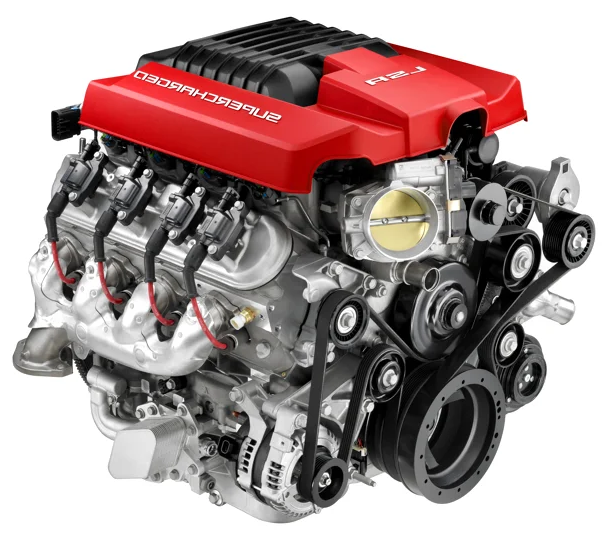
Engineered to deliver high low-end torque for utility vehicles, the L35 features a heavy-duty cast-iron cylinder block and cast-iron cylinder heads. The valvetrain utilizes a traditional overhead valve (OHV) pushrod configuration with two valves per cylinder, driven by a single camshaft. In 1992, a balance shaft was integrated into the engine block above the camshaft to neutralize the vibrations inherent in 90-degree V6 configurations, greatly improving cabin comfort. Fuel delivery is managed by GM’s unique Sequential Central Port Injection (SCPI) system, optimizing fuel distribution without the complexity of modern direct injection systems.
This specific engine variant was officially deployed in passenger and commercial vehicles from 1996 to 2002. Key applications include the GMC Sierra 1500, GMC Sonoma, GMC Jimmy, GMC Safari, and corresponding Chevrolet models such as the Silverado 1500, S10, Blazer, and Astro van. It was primarily mated to either the heavy-duty 4L60-E four-speed automatic transmission or the NV3500 five-speed manual transmission, offering balanced performance for utility, cargo transit, and light towing duties.
Technical Specifications
| Displacement (cc) | 4,300 cc (4.3 Liters) |
| Max Power (hp (kW) @ RPM) | 190 hp (142 kW) @ 4,400 RPM |
| Max Torque (Nm (kg*m) @ RPM) | 339 Nm (34.6 kg*m) @ 2,800 RPM |
| Fuel Type | Gasoline |
| Fuel Consumption (l/100 km) | 14.5 liters per 100 km (combined average depending on vehicle weight) |
| Engine Type | V6, 90-degree, Cast Iron Block and Heads |
| Compression Ratio | 9.2:1 |
| Cylinder Bore (mm) | 101.6 mm |
| Piston Stroke (mm) | 88.4 mm |
| Valvetrain | OHV (Overhead Valve), Pushrod, 2 valves per cylinder |
| Valves per Cylinder | 2 |
| Additional Info | Equipped with an internal balance shaft and Sequential Central Port Injection (SCPI) |
Common Problems & Reliability
- Intake Manifold Gasket Failure: The factory plastic-and-rubber intake manifold gaskets degrade over time. This allows coolant to leak externally or internally into the oil valley. Internal leaks dilute the engine oil, which can quickly lead to bearing damage and catastrophic engine failure if left unaddressed.
- SCPI “Spider” Injector Failure: The internal fuel pressure regulator or individual poppet valves in the SCPI system are prone to leaking or clogging. This causes rich running conditions, cylinder misfires, and hard starting when the engine is warm.
- Distributor Drive Gear Wear: The distributor drive gear is prone to premature wear, causing excessive play in the rotor. This leads to ignition timing drift, misfire codes, and rough idling.
With proper care, timely gasket upgrades, and regular maintenance, the L35 routinely achieves a service life exceeding 300,000 miles (480,000 km) before requiring a major overhaul.
Maintenance Tips & Service Schedule
To maximize the longevity of this engine, strict maintenance is vital:
- Engine Oil: Change the engine oil every 3,000 to 5,000 miles (5,000 to 8,000 km) using high-quality 5W-30 viscosity motor oil to protect the pushrods and lifters.
- Coolant System: Perform a coolant flush every 5 years or 100,000 miles. Upgrading to metal-carrier intake manifold gaskets prevents catastrophic internal coolant leaks.
- Ignition System: Replace spark plugs, ignition wires, distributor cap, and rotor every 60,000 to 80,000 miles. Check the distributor drive gear for wear during this service to prevent cylinder misfires.
- Fuel Injector Upgrade: Consider retrofitting the older SCPI system with the updated MFI (Multiport Fuel Injection) system to eliminate poppet valve sticking and pressure regulator failures.
Conclusion
The GMC L35 4.3L V6 is an exceptionally robust, simple, and reliable engine. For a used vehicle buyer, it offers impressive longevity, cheap replacement parts, and easy serviceability. Provided that the intake manifold gaskets have been upgraded to metal-carrier designs and the engine oil shows no signs of coolant contamination, this engine represents an excellent, highly dependable choice for budget-conscious truck and SUV buyers.