
Overview & Design Features
The GMC LF9 engine is a naturally aspirated 6.2-liter (6162 cc) V8 powerplant, part of General Motors’ Gen IV small-block engine family. Engineered for robust performance and towing capabilities, this engine was primarily deployed in large SUVs and pickup trucks requiring substantial power and torque. The LF9 variant is specifically distinguished by its FlexFuel capability, allowing operation on both standard gasoline and E85 ethanol blends, enhancing its versatility and appeal in specific markets.
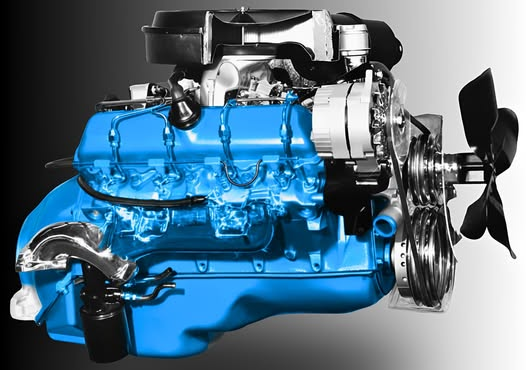
From an engineering standpoint, the LF9 features a lightweight aluminum cylinder block and cylinder heads, contributing to reduced overall vehicle weight and improved thermal management. It utilizes a port fuel injection (PFI) system for precise fuel delivery across all eight cylinders. A key technological inclusion is Variable Valve Timing (VVT), which optimizes camshaft timing across the engine’s operating range, enhancing both power output and fuel efficiency. Furthermore, the LF9 incorporated Active Fuel Management (AFM) technology, which deactivates four cylinders under light-load conditions to conserve fuel, transitioning seamlessly between V8 and V4 modes.
The LF9 engine found its primary applications in premium and performance-oriented versions of GM’s full-size SUVs and trucks. It was widely adopted in vehicles such as the GMC Yukon Denali and Yukon XL Denali, Chevrolet Tahoe and Suburban (certain trims), and the Cadillac Escalade and Escalade ESV. Production years for models equipped with the LF9 generally spanned from approximately 2007 to 2014, making it a prominent powertrain choice for GM’s luxury and heavy-duty utility vehicles of that era.
Technical Specifications
| Specification | Value |
|---|---|
| Displacement (cc) | 6162 cc (6.2 L) |
| Max Power (hp (kW) @ RPM) | 403 hp (301 kW) @ 5700 RPM |
| Max Torque (Nm (kg*m) @ RPM) | 565 Nm (57.6 kg*m) @ 4300 RPM |
| Fuel Type | Gasoline / E85 FlexFuel |
| Fuel Consumption (l/100 km) | Dependent on vehicle application and driving conditions; typically 13-18 l/100 km combined. |
| Engine Type | Naturally Aspirated OHV V8 |
| Compression Ratio | 10.4:1 |
| Cylinder Bore (mm) | 103.25 mm |
| Piston Stroke (mm) | 92 mm |
| Valvetrain | Overhead Valve (OHV) with Variable Valve Timing (VVT) |
| Valves per Cylinder | 2 |
| Additional Info | Aluminum Block and Heads, Active Fuel Management (AFM), FlexFuel Capable |
Common Problems & Reliability
The LF9 engine, while generally robust, shares some common characteristics and potential issues found in other Gen IV GM small-block engines. A frequently reported concern involves the Active Fuel Management (AFM) system. Lifters associated with AFM can fail, leading to misfires, excessive valvetrain noise, and in severe cases, camshaft damage. This often manifests as persistent cylinder misfire codes or ticking sounds. Related to AFM, some LF9 engines may exhibit elevated oil consumption due to piston ring design and the operational characteristics of the AFM system, particularly at higher mileages. Reduced oil levels can exacerbate lifter wear and contribute to premature component failure.
Less common but still noted, especially in vehicles with inconsistent maintenance, can be wear of the timing chain or tensioner components, which may cause timing anomalies or rattling noises from the front of the engine. However, the timing system is generally considered durable under optimal conditions. With diligent maintenance and proactive attention to AFM-related issues, the LF9 engine can reliably achieve service lives exceeding 200,000 miles (320,000 km) before requiring a major overhaul.
Maintenance Tips & Service Schedule
Optimal maintenance is critical for the longevity and reliable operation of the LF9 engine. Regular oil changes are paramount, with a recommendation for a high-quality SAE 5W-30 full synthetic motor oil. Service intervals should adhere to the manufacturer’s oil life monitoring system, typically every 7,500 miles (12,000 km) or 1 year, whichever comes first. For vehicles frequently towing, operating in extreme temperatures, or running on E85 fuel, more frequent oil changes (e.g., every 5,000 miles or 8,000 km) are advisable due to increased stress and potential for ethanol-related oil degradation.
Spark plugs should be inspected and replaced every 100,000 miles (160,000 km) to maintain optimal combustion efficiency. The engine’s timing chain is designed as a lifetime component but should be inspected for excessive slack or noise at higher mileages, particularly around 150,000 miles (240,000 km). Coolant flushes and replacements are recommended every 5 years or 150,000 miles (240,000 km) using a compatible extended-life coolant to prevent corrosion and maintain cooling system efficiency. Adherence to these service intervals and using recommended fluids helps mitigate common issues and ensures the engine performs as intended.
Conclusion
The GMC LF9 engine presents itself as a powerful and capable V8, offering impressive performance and the added flexibility of E85 compatibility, making it a strong choice for full-size SUVs and trucks. For a used vehicle buyer, it represents a generally reliable powertrain that delivers robust power delivery. However, potential owners should be aware of the known issues surrounding the Active Fuel Management system and its implications for lifter longevity and oil consumption. A pre-purchase inspection should specifically evaluate the engine for signs of AFM-related problems or unusual oil consumption. If these common issues have been properly addressed or mitigated, the LF9 engine can be considered a safe and dependable choice for a used vehicle, capable of providing many years of service with diligent maintenance.