
Overview & Design Features
The GMC LFW is a 3.6-liter (3564 cc) naturally aspirated V6 gasoline engine, a prominent member of General Motors’ High Feature (HFV6) engine family. Introduced as a refined successor, it builds upon the proven architecture of its predecessors while incorporating advancements aimed at improving efficiency, emissions, and performance. Its development lineage underscores GM’s commitment to producing capable and versatile powertrains for a range of vehicles, particularly mid-size trucks and larger passenger cars. The LFW represents a balance of robust design and modern engine technologies, positioned to deliver competitive power output and fuel economy for its era.
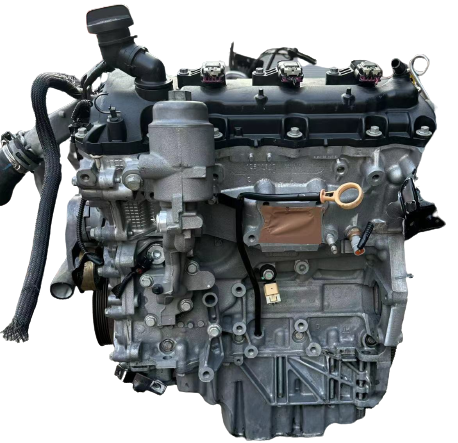
Engineered with a focus on durability and contemporary performance, the LFW features a lightweight aluminum cylinder block and cylinder heads, contributing to overall vehicle weight reduction and improved thermal management. It employs a sophisticated valvetrain with Dual Overhead Camshafts (DOHC) and Continuous Variable Valve Timing (VVT) on both intake and exhaust camshafts, optimizing valve overlap and lift for enhanced torque delivery across the RPM range and improved fuel efficiency. Fuel delivery is handled by Direct Injection (DI), which precisely sprays fuel directly into the combustion chamber, allowing for a higher compression ratio and more complete combustion. This combination of advanced features ensures the LFW delivers a responsive driving experience while meeting stringent emissions standards.
The GMC LFW engine was primarily deployed in a selection of General Motors’ mid-size pickup trucks and passenger sedans. Key applications include the Chevrolet Colorado and GMC Canyon for model years 2015-2016, where it served as the upgraded V6 powertrain option. It also found its way into passenger car platforms such as the Chevrolet Impala (2014-2017) and certain trims of the Buick LaCrosse (2014-2016), demonstrating its adaptability across different vehicle segments requiring a balance of power and refinement.
Technical Specifications
| Displacement | 3564 cc (3.6 L) |
| Max Power | 305 hp (227 kW) @ 6800 RPM (Typical) |
| Max Torque | 365 Nm (37.2 kg*m) @ 4000 RPM (Typical) |
| Fuel Type | Unleaded Gasoline (87+ Octane) |
| Fuel Consumption (l/100 km) | Approx. 11.2 (Combined, e.g., 2016 GMC Canyon 4×2) |
| Engine Type | V6, DOHC, Direct Injection |
| Compression Ratio | 11.5:1 |
| Cylinder Bore | 94.0 mm |
| Piston Stroke | 85.6 mm |
| Valvetrain | Dual Overhead Camshafts (DOHC) |
| Valves per Cylinder | 4 (24 valves total) |
| Additional Info | Aluminum block and heads, Continuous Variable Valve Timing (VVT) |
Common Problems & Reliability
While the GMC LFW generally exhibits respectable reliability, certain areas warrant attention. A common concern, shared with many other direct-injection engines, is the potential for carbon buildup on the intake valves. Without the washing action of fuel flowing over the valves (as in port injection), oil vapor from the PCV system can deposit carbon, leading to reduced airflow, misfires, and decreased performance over time. This issue typically manifests at higher mileages.
Another area for consideration is the timing chain system. Although later iterations of the High Feature V6, including the LFW, saw improvements over earlier designs, timing chain stretch can still occur, particularly if oil change intervals are neglected or improper oil is used. Symptoms include rattling noises from the front of the engine, especially on cold starts, and illuminated check engine lights indicating camshaft position correlation errors.
Some LFW engines have also been reported to experience elevated oil consumption. This can often be attributed to issues within the PCV (Positive Crankcase Ventilation) system, which can allow excessive oil to be drawn into the intake tract. Regular monitoring of oil levels is crucial. With diligent maintenance, including appropriate oil changes and addressing specific issues proactively, the LFW engine can reliably reach service lives exceeding 200,000 to 250,000 miles (320,000 to 400,000 km) before requiring major internal overhaul.
Maintenance Tips & Service Schedule
- Engine Oil: Adhere strictly to the manufacturer’s recommended oil change intervals, typically every 7,500 to 10,000 miles (12,000-16,000 km) or annually, whichever comes first, using a full synthetic oil meeting the Dexos1 Gen2 specification, usually SAE 5W-30 viscosity. Regular oil analysis can help detect premature wear or contamination.
- Spark Plugs: Replace iridium-tipped spark plugs approximately every 100,000 miles (160,000 km) to maintain optimal ignition and fuel efficiency.
- Timing Chain: While no preventative replacement interval is specified, vigilant listening for timing chain rattle, particularly during cold starts, is advised after 100,000 miles. Proactive replacement upon detection of symptoms can prevent more severe engine damage.
- Coolant: Perform a coolant flush and refill with DEX-COOL compatible long-life coolant every 5 years or 100,000 miles (160,000 km).
- PCV System: Inspect the PCV valve and associated hoses periodically for blockages or leaks, especially if oil consumption is noted.
- Fuel System Cleaning: The regular use of a high-quality fuel system cleaner (e.g., PEA-based) is recommended to help mitigate carbon buildup on direct injection components and the intake valves, though mechanical cleaning may eventually be required.
Conclusion
The GMC LFW engine, with its robust 3.6-liter V6 configuration and direct injection technology, presents itself as a generally strong and capable powertrain. For a used vehicle buyer, it represents a reliable choice, offering a good balance of power and efficiency for its applications. While the potential for carbon buildup and timing chain wear at higher mileages should be acknowledged, these concerns are largely manageable through diligent adherence to recommended maintenance schedules, especially regarding oil quality and change intervals. A pre-purchase inspection that includes a thorough check of engine health and service records is highly advisable to ensure a long and trouble-free ownership experience.