
Overview & Design Features
The GMC L03 is a 5.0-liter (305 cubic inch) naturally aspirated V8 engine, part of General Motors’ venerable Small-Block Chevrolet family. Primarily produced from 1987 to 1993, this engine served as a workhorse in numerous light-duty trucks, SUVs, and passenger cars, representing an important transitional period for GM powertrains with its adoption of electronic fuel injection.
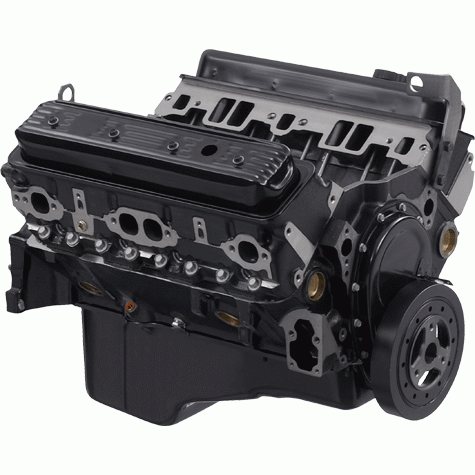
Engineered for durability and cost-effectiveness, the L03 features a robust cast iron cylinder block and matching cast iron cylinder heads. It utilizes an overhead valve (OHV) design with a pushrod valvetrain, employing two valves per cylinder. A key technological advancement for its era was the implementation of Throttle Body Injection (TBI), which centrally injected fuel into the intake manifold, offering a more precise and efficient fuel delivery than preceding carbureted systems, though less refined than later multi-port injection.
This engine was widely deployed across various GM product lines. In GMC vehicles, the L03 was a common powertrain option for the GMT400 platform, specifically found in the GMC Sierra 1500 and 2500 series light-duty pickup trucks, and early generations of the GMC Yukon/Suburban. It also powered Chevrolet C/K trucks, Blazer/Suburban models, and performance-oriented vehicles like the Chevrolet Camaro and Pontiac Firebird during its production run.
Technical Specifications
| Displacement (cc) | 4998 cc (305 cu in) |
| Max Power (hp (kW) @ RPM) | 170 hp (127 kW) @ 4000 RPM |
| Max Torque (Nm (kg*m) @ RPM) | 325 Nm (33.1 kg*m) @ 2400 RPM |
| Fuel Type | Gasoline (Regular Unleaded) |
| Fuel Consumption (l/100 km) | 13-16 l/100 km (combined, vehicle dependent) |
| Engine Type | Naturally Aspirated V8 |
| Compression Ratio | 9.3:1 |
| Cylinder Bore (mm) | 95.25 mm |
| Piston Stroke (mm) | 88.39 mm |
| Valvetrain | OHV, Pushrod |
| Valves per Cylinder | 2 |
| Additional Info | Throttle Body Injection (TBI), Hydraulic Flat Tappet Camshaft |
Common Problems & Reliability
- Throttle Body Injection (TBI) Unit Issues: The single TBI unit, while a step up from carburetors, can develop issues over time. Common problems include failing fuel injectors leading to rough idle or misfires, a malfunctioning fuel pressure regulator affecting performance, and worn throttle shaft bushings causing vacuum leaks. Regular cleaning and replacement of worn components are often required on high-mileage examples.
- Oil Leaks: As with many engines of its era, the L03 is prone to various oil leaks. The most common areas include the intake manifold gaskets (particularly at the front and rear sealing surfaces), valve cover gaskets, and the oil pan gasket. These leaks, if left unaddressed, can lead to significant oil consumption and potential damage.
- Exhaust Manifold Cracking/Broken Bolts: Heat cycles and material fatigue can lead to exhaust manifold cracking, typically near the collector. Additionally, exhaust manifold bolts are known to seize and break during removal or even in service, leading to exhaust leaks and increased noise.
With diligent maintenance, including regular oil changes and addressing minor issues promptly, the GMC L03 engine is capable of achieving a realistic service life of 200,000 to 250,000 miles (approximately 320,000 to 400,000 km) before requiring a major overhaul.
Maintenance Tips & Service Schedule
- Oil Changes: Engine oil and filter replacement should be performed every 3,000 miles (5,000 km) or every 3 months, whichever comes first. A 5W-30 viscosity conventional or synthetic blend oil is recommended to ensure proper lubrication for the flat tappet camshaft and other components.
- Spark Plugs: Replace copper core spark plugs every 30,000 miles (48,000 km). Inspect ignition wires, distributor cap, and rotor for wear or corrosion at the same interval.
- Timing Chain: The L03 utilizes a timing chain, not a belt. It does not have a specific replacement interval but should be inspected for excessive stretch or wear during major engine service or if timing-related issues arise.
- Coolant Flush: The cooling system should be flushed and refilled with fresh coolant every 2-3 years or 30,000 miles (48,000 km) to prevent corrosion and maintain optimal engine temperature.
- Fuel Filter: Replacement of the in-line fuel filter is recommended annually or every 15,000 miles (24,000 km) to prevent fuel delivery issues and TBI injector clogging.
- Air Filter: Inspect and replace the engine air filter every 15,000-30,000 miles (24,000-48,000 km), or more frequently in dusty conditions.
Conclusion
The GMC L03 engine, a stalwart of late 1980s and early 1990s GM vehicles, generally represents a safe and reliable choice for a used vehicle buyer, especially for those prioritizing simplicity and ease of maintenance. Its robust cast-iron construction contributes to its longevity, and its TBI system, while basic by modern standards, is straightforward to diagnose and repair. While prone to age-related issues like oil leaks and TBI unit wear, these are typically manageable and well-understood by technicians. Prospective buyers should anticipate routine maintenance and potential repairs common for an engine of its vintage, but with proper care, the L03 can continue to provide dependable service.