
Overview & Design Features
The GMC LQ4, also known as the Vortec 6000, is a heavy-duty 6.0-liter naturally aspirated V8 gasoline engine developed by General Motors. Introduced in 1999 as part of the highly successful Generation III small-block LS engine family, the LQ4 was designed to bridge the gap between light-duty passenger engines and heavy-duty big blocks. Serving as a foundational powerplant for GMC and Chevrolet light trucks, heavy-duty pickups, and full-size SUVs, this engine earned a legendary reputation for durability, torque-rich power delivery, and structural integrity.
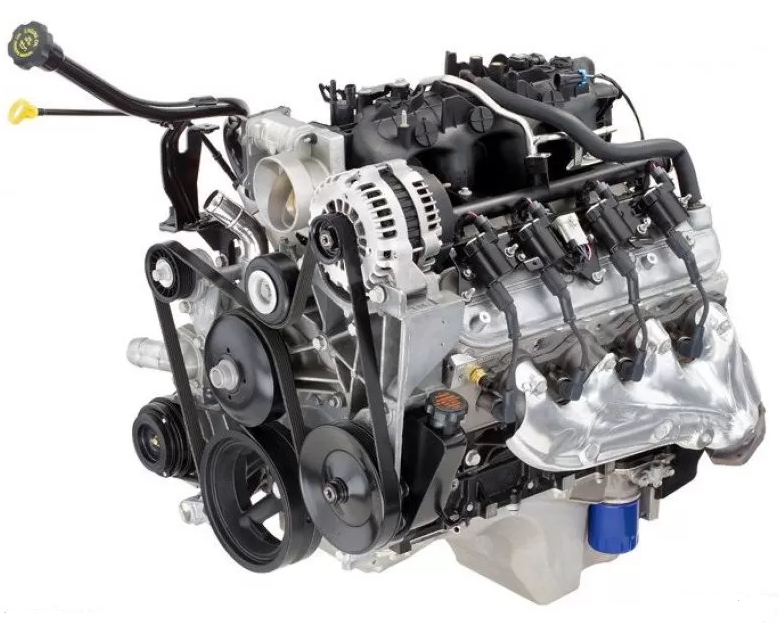
To balance cost, strength, and thermal efficiency, the LQ4 utilizes a high-strength cast-iron cylinder block paired with aluminum cylinder heads from the 2001 model year onward, while the initial 1999-2000 versions featured cast-iron heads. The engine employs a simple and highly robust overhead valve (OHV) pushrod configuration with two valves per cylinder, completely bypassing complex technologies like variable valve timing (VVT) or active fuel management (AFM). Fuel delivery is managed by a highly reliable electronic sequential multi-port fuel injection system, which ensures consistent combustion and easy diagnostic troubleshooting.
The LQ4 was widely deployed across the General Motors lineup from 1999 to 2007. Key vehicle models featuring this powerplant include the GMC Sierra 1500HD, 2500HD, and 3500, the GMC Yukon XL 2500, the Chevrolet Silverado 2500HD, the Chevrolet Suburban 2500, and the Hummer H2. It was typically mated to heavy-duty transmissions like the 4L80E automatic to handle high towing and payload demands.
Technical Specifications
| Displacement (cc) | 5,967 cc (6.0 L) |
| Max Power (hp (kW) @ RPM) | 300 hp (224 kW) @ 4,400 RPM to 325 hp (242 kW) @ 5,200 RPM |
| Max Torque (Nm (kg*m) @ RPM) | 488 Nm (49.8 kg*m) to 502 Nm (51.2 kg*m) @ 4,000 RPM |
| Fuel Type | Gasoline (Regular Unleaded) |
| Fuel Consumption (l/100 km) | Refer to manufacturer’s technical documentation |
| Engine Type | 90-degree V8, Cast Iron Block |
| Compression Ratio | 9.4:1 |
| Cylinder Bore (mm) | 101.6 mm (4.00 in) |
| Piston Stroke (mm) | 92.0 mm (3.622 in) |
| Valvetrain | OHV (Pushrod, 2 valves per cylinder) |
| Valves per Cylinder | 2 |
| Additional Info | Equipped with 317 or 035 casting aluminum heads (post-2001) |
Common Problems & Reliability
Despite its exceptional durability, the LQ4 exhibits a few well-documented mechanical weak points. One of the most common issues involves the rear exhaust manifold bolts, which are prone to shearing off inside the cylinder head due to heat-induced expansion and contraction cycles. Additionally, the knock sensors, located deep within the engine valley floor beneath the intake manifold, are susceptible to moisture intrusion; water can bypass the rubber seals, causing corrosion, sensor failure, and subsequent check engine lights. High-mileage units can also suffer from deteriorating intake manifold gaskets, leading to vacuum leaks, rough idling, and lean air-fuel mixture codes.
When maintained according to factory recommendations, the LQ4 is capable of an outstanding operational lifespan. It is highly common for this engine to exceed 300,000 miles (approximately 480,000 km) before requiring a major rebuild or cylinder head overhaul, making it one of the most reliable modern V8 engines ever built.
Maintenance Tips & Service Schedule
Consistent preventative maintenance is key to unlocking the extreme longevity of the LQ4. The following guidelines help ensure peak performance:
- Engine Oil: Change the engine oil every 5,000 to 7,500 miles using high-quality 5W-30 conventional or synthetic oil to protect the lifters, camshaft, and main bearings.
- Spark Plugs: Replace the spark plugs and ignition wires every 100,000 miles to maintain optimal combustion efficiency.
- Cooling System: Flush the cooling system, which uses Dex-Cool, every 5 years or 100,000 miles to prevent acidic buildup and protect the aluminum cylinder heads.
- Timing Chain: While the timing chain is exceptionally robust and routinely lasts the lifetime of the engine, it should be visually inspected for slack if servicing the oil pump or timing cover at high mileage.
Conclusion
In conclusion, the GMC LQ4 V8 engine stands as an exceptionally safe, reliable, and cost-effective choice for any used vehicle buyer or engine-swap enthusiast. Its iron-block construction offers unmatched structural integrity, while its simple overhead valve design eliminates the costly failure points associated with modern variable valve timing and cylinder deactivation systems. Provided the vehicle has a documented service history free of chronic overheating, purchasing a used vehicle equipped with this powertrain is a highly recommended and low-risk investment.