
Overview & Design Features
The GMC LGZ is a turbocharged 2.7-liter (2727 cc) inline four-cylinder gasoline engine produced by General Motors, primarily for its truck and SUV lines under the GMC and Chevrolet brands. Introduced initially in 2019, the LGZ variant specifically refers to the updated, higher-torque version released for the 2022 model year. This engine represents a significant strategic shift for GM, offering four-cylinder efficiency with V6-like power and V8-like torque characteristics, leveraging advanced forced induction and valvetrain technologies to serve as a capable base engine for light-duty pickup trucks.
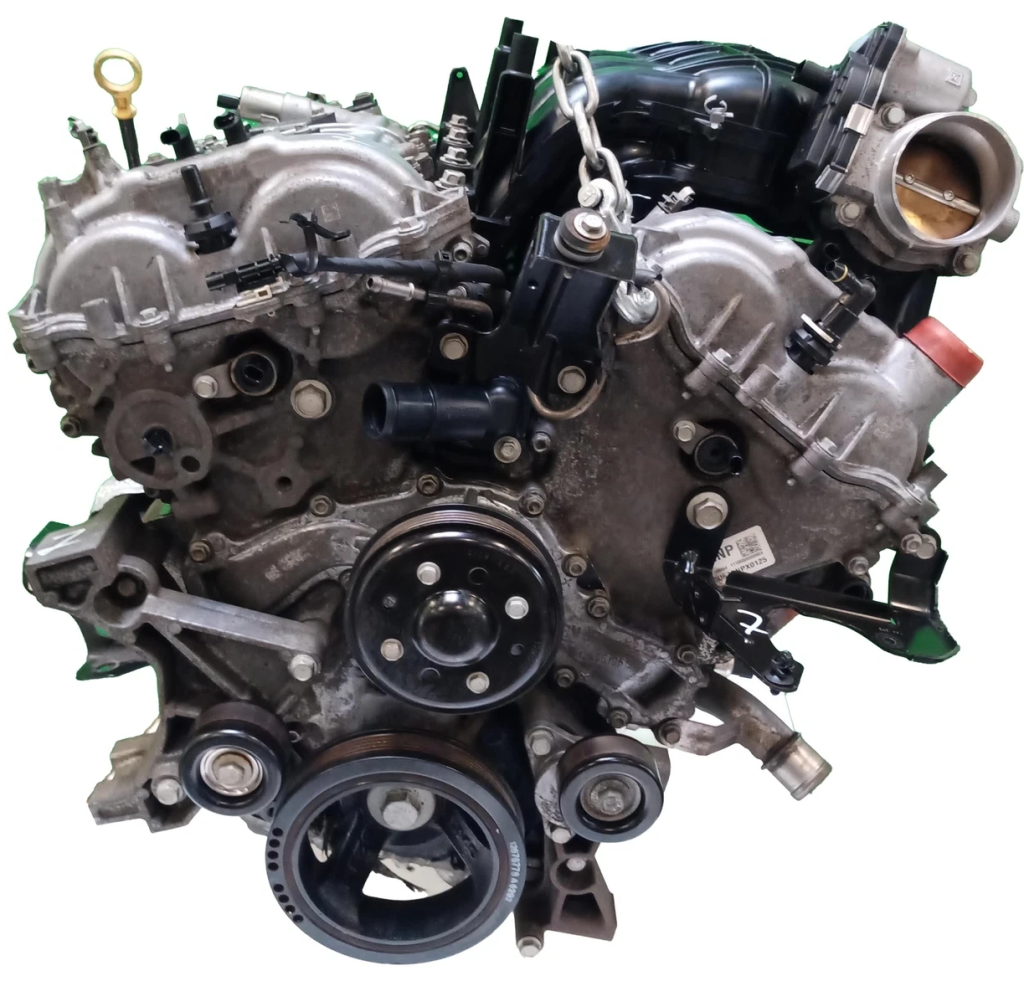
Engineered for robustness and efficiency, the LGZ features an aluminum cylinder block and cylinder heads, contributing to reduced overall vehicle weight. It utilizes a sophisticated direct fuel injection system, delivering precise fuel delivery directly into the combustion chambers for improved power and fuel economy. Key technological highlights include a dual overhead camshaft (DOHC) design with variable valve timing (VVT), enhancing performance across the RPM range. Furthermore, the engine incorporates GM’s innovative TriPower valvetrain system, which allows for three distinct valve lift profiles (high lift, low lift, and active fuel management/dynamic fuel management cylinder deactivation), optimizing combustion efficiency and fuel economy under various load conditions.
The LGZ engine has been prominently deployed in several high-volume vehicle models. Its primary applications include the 2022-present GMC Sierra 1500 and the 2022-present Chevrolet Silverado 1500 light-duty pickup trucks, where it serves as the standard engine for specific trim levels, offering a compelling blend of power and economy for everyday driving and light-duty hauling. Earlier versions of the 2.7L Turbo engine (code L3B) were also used, but the LGZ denotes the enhanced torque iteration.
Technical Specifications
| Displacement (cc) | 2727 |
| Max Power (hp (kW) @ RPM) | 310 (231) @ 5600 |
| Max Torque (Nm (kg*m) @ RPM) | 583 (59.4) @ 3000 |
| Fuel Type | Regular Unleaded (87 octane minimum) |
| Fuel Consumption (l/100 km) | Approx. 11.8 city / 10.2 highway (2WD, light-duty truck) |
| Engine Type | Inline 4-cylinder, Turbocharged |
| Compression Ratio | 10.0:1 |
| Cylinder Bore (mm) | 93.0 |
| Piston Stroke (mm) | 100.0 |
| Valvetrain | Dual Overhead Cam (DOHC), 4 valves per cylinder, Variable Valve Timing (VVT), TriPower System |
| Valves per Cylinder | 4 |
| Additional Info | Direct Injection, Active Fuel Management/Dynamic Fuel Management, Variable Displacement Oil Pump |
Common Problems & Reliability
As a relatively modern engine, the LGZ benefits from contemporary engineering and manufacturing processes. However, like many direct-injection, turbocharged powerplants, certain areas warrant attention. One potential concern is the accumulation of carbon deposits on intake valves. This is inherent to direct injection systems, as fuel does not wash over the intake valves, leading to residue buildup from oil vapor and exhaust gas recirculation. Over time, this can reduce airflow, diminish performance, and potentially cause misfires. Regular use of top-tier gasoline and periodic intake system cleaning can mitigate this.
Another area of focus for turbocharged engines is the longevity of timing components. While timing chains are generally designed for the life of the engine, extended oil change intervals or inconsistent maintenance with non-specified oils can accelerate wear. Excessive timing chain stretch can lead to drivability issues and, if severe, catastrophic engine damage. The LGZ’s TriPower system, with its complex valvetrain, also presents potential for specific component wear, though widespread issues have not been extensively reported due to its newer status.
Under proper and consistent maintenance, the GMC LGZ engine is designed for a robust service life. A realistic expected service life before requiring a major overhaul is generally considered to be in the range of 150,000 to 200,000 miles (240,000 to 320,000 km). Adherence to manufacturer service schedules and prompt attention to any diagnostic trouble codes are crucial for achieving maximum longevity.
Maintenance Tips & Service Schedule
Maintaining the LGZ engine correctly is vital for its long-term reliability and performance. Adherence to manufacturer-recommended service intervals and fluid specifications is paramount.
- Engine Oil & Filter: Use only dexos-approved full synthetic oil, typically 0W-20 or 5W-30, depending on climate and specific manufacturer guidance. Follow the vehicle’s Oil Life Monitoring (OLM) system, which typically recommends intervals between 7,500 and 10,000 miles (12,000-16,000 km), or annually, whichever comes first. For vehicles subjected to severe conditions (e.g., heavy towing, dusty environments, extreme temperatures, extensive idling), more frequent changes may be prudent.
- Spark Plugs: Replace iridium spark plugs typically every 60,000 to 100,000 miles (96,000-160,000 km), or as specified in the owner’s manual.
- Air Filter: Inspect annually or every 15,000-20,000 miles (24,000-32,000 km) and replace as needed, especially if operating in dusty conditions.
- Coolant Flush: The engine uses long-life coolant. A coolant flush and refill are typically recommended every 5 years or 150,000 miles (240,000 km), whichever comes first.
- Timing Chain: The timing chain is designed for the life of the engine with proper maintenance. No scheduled replacement interval exists, but inspection for noise or slack may be recommended at high mileage (e.g., 150,000+ miles) or if symptoms arise.
- Fuel System Cleaning: Given the direct injection design, periodic use of a GM-approved fuel system cleaner can help prevent deposit buildup.
Conclusion
The GMC LGZ engine represents a modern, efficient, and powerful four-cylinder option for light-duty truck applications. Its advanced design, including direct injection, turbocharging, and the innovative TriPower valvetrain, delivers a compelling combination of fuel economy and strong torque. For a used vehicle buyer, the LGZ engine can be considered a reliable choice, provided the vehicle has a documented history of consistent and proper maintenance using the specified lubricants and service intervals. Its relative newness means that long-term widespread issues are still being observed, but early indications suggest a well-engineered unit. Diligent maintenance, particularly concerning oil quality and change frequency, will be the most significant factor in ensuring its longevity and avoiding potential issues common to sophisticated modern engines.