
Overview & Design Features
The GMC LV1 is a 3.6-liter (3564cc) naturally aspirated V6 gasoline engine, an integral part of General Motors’ High Feature V6 engine family. Introduced for the 2017 model year, this engine represents the second generation of GM’s 3.6L V6 architecture, specifically engineered for enhanced performance, fuel efficiency, and refinement in mid-size truck applications. Its development built upon lessons learned from earlier High Feature V6 iterations, aiming to deliver robust power output while maintaining respectable economy for its segment. The LV1 is characterized by its compact design and advanced technological integration, making it a cornerstone for select GMC and Chevrolet vehicles.
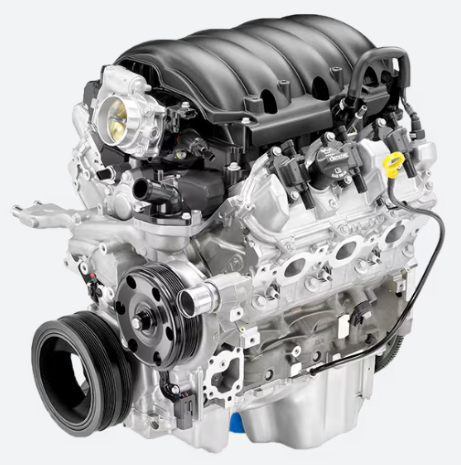
Engineered for durability and performance, the LV1 features an all-aluminum construction for both its cylinder block and cylinder heads, contributing to reduced overall vehicle weight and improved thermal management. A key technological advancement is its sophisticated dual injection system, combining both Port Fuel Injection (PFI) and Direct Fuel Injection (DFI) to optimize combustion across various engine speeds and loads, reducing emissions and enhancing fuel economy. The engine also incorporates dual overhead camshafts (DOHC) with Continuously Variable Valve Timing (VVT) on both intake and exhaust, allowing for precise control over valve overlap for improved power delivery and efficiency. Furthermore, Active Fuel Management (AFM), also known as Cylinder Deactivation, is employed to temporarily shut down two cylinders under light load conditions, further boosting fuel economy.
The GMC LV1 engine was primarily deployed in the following vehicle models and production years:
- GMC Canyon (2017-present)
- Chevrolet Colorado (2017-present)
This engine is typically offered as the primary V6 engine option across various trim levels within these truck lines, providing a strong balance of towing capability and daily driving performance.
Technical Specifications
| Displacement (cc) | 3564 |
| Max Power (hp (kW) @ RPM) | 308 hp (230 kW) @ 6800 rpm |
| Max Torque (Nm (kg*m) @ RPM) | 373 Nm (38.0 kg*m) @ 4000 rpm |
| Fuel Type | Gasoline (Premium recommended for peak performance, Regular acceptable) |
| Fuel Consumption (l/100 km) | ~11.2 (Combined, varying by vehicle/drivetrain) |
| Engine Type | V6, DOHC, Port and Direct Fuel Injection (PFDI), VVT, AFM |
| Compression Ratio | 11.5:1 |
| Cylinder Bore (mm) | 94 |
| Piston Stroke (mm) | 85.6 |
| Valvetrain | DOHC, 4 valves per cylinder, Variable Valve Timing (VVT) |
| Valves per Cylinder | 4 |
| Additional Info | Aluminum block and heads, Active Fuel Management (AFM), Dual Fuel Injection (PFDI) |
Common Problems & Reliability
While the GMC LV1 engine generally maintains a strong reputation for reliability, certain common issues have been noted. One significant concern, common across many direct-injected engines, is the potential for carbon buildup on the intake valves. This accumulation occurs because fuel is injected directly into the combustion chamber, bypassing the intake valves and preventing their natural cleaning. Over time, carbon deposits can restrict airflow, leading to reduced performance, misfires, and decreased fuel economy. Regular use of top-tier gasoline and occasional intake system cleaning can help mitigate this.
Another area of concern is related to the Active Fuel Management (AFM) system. The lifters responsible for cylinder deactivation can occasionally fail, leading to misfires, ticking noises, and, in severe cases, cam lobe wear. Diagnosing and repairing AFM-related issues typically involves replacing the faulty lifters. Although GM has made improvements to the timing chain design compared to earlier High Feature V6 generations, timing chain wear can still manifest at higher mileages, particularly if oil change intervals are neglected. Symptoms include rattling noises, especially on cold starts, and can necessitate expensive timing component replacement.
Under proper and consistent maintenance, including regular oil changes with specified synthetic oil and adherence to service intervals, the GMC LV1 engine has a realistic expected service life exceeding 200,000 miles (320,000 km) before requiring a major overhaul.
Maintenance Tips & Service Schedule
Effective maintenance is crucial for maximizing the longevity and performance of the GMC LV1 engine. Adherence to manufacturer-recommended service intervals and fluid specifications is paramount. Regular engine oil changes are recommended every 7,500 miles (12,000 km) or according to the vehicle’s Oil Life Monitoring system, whichever comes first. It is imperative to use GM dexos1 Gen2 approved SAE 0W-20 synthetic engine oil to ensure proper lubrication and protection, particularly for the VVT and AFM systems.
Spark plugs typically require replacement every 97,500 miles (156,000 km) to maintain optimal combustion efficiency. While the timing chains are designed for the life of the engine, it is prudent to listen for unusual noises, especially a persistent rattle, which might indicate wear beyond 150,000 miles (240,000 km). The coolant system should be flushed and refilled with DEX-COOL extended-life coolant every 5 years or 150,000 miles (240,000 km). Regular inspection of drive belts, hoses, and fluid levels is also essential. To mitigate carbon buildup, periodic use of a high-quality fuel system cleaner is advisable, along with ensuring consistent use of top-tier gasoline.
Conclusion
The GMC LV1 engine stands as a robust and capable power unit for the mid-size truck segment, offering a commendable blend of power, efficiency, and modern technology. For a used vehicle buyer, it represents a generally reliable choice. While potential issues like carbon buildup and AFM-related concerns exist, these are often manageable with diligent preventative maintenance and adherence to factory service schedules. When considering a used vehicle equipped with the LV1, a thorough service history demonstrating consistent oil changes and proactive care significantly enhances its appeal and long-term reliability prospects.