
Overview & Design Features
The GMC LV3 is a 4.3-liter (4300cc) naturally aspirated V6 gasoline engine, a prominent member of General Motors’ EcoTec3 engine family. Introduced for the 2014 model year, it represents a significant advancement in GM’s small-block architecture, adapting the proven Gen V V8 technology into a V6 configuration. Designed primarily for light-duty truck and van applications, the LV3 succeeded older 4.3L V6 designs, offering enhanced power, torque, and fuel efficiency through modern engineering principles.
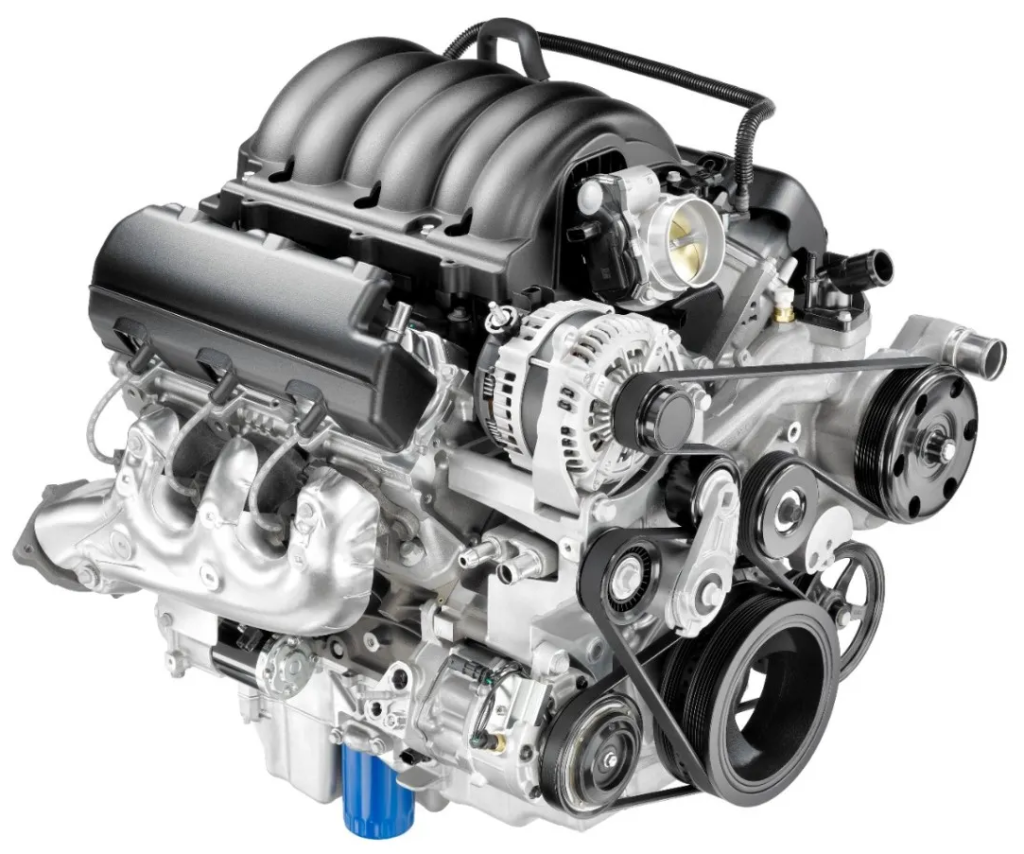
Engineered with a 90-degree V-angle, the LV3 features a lightweight cast aluminum cylinder block and cylinder heads, contributing to overall vehicle weight reduction and improved thermal management. Its advanced fuel system incorporates Spark Ignited Direct Injection (SIDI), which delivers fuel directly into the combustion chamber for precise fuel metering and improved combustion efficiency. Further enhancing performance and economy, the LV3 utilizes Variable Valve Timing (VVT) to optimize valve overlap across the RPM range and Active Fuel Management (AFM), which can deactivate cylinders under light load conditions to conserve fuel.
The LV3 engine was widely deployed across several General Motors light-duty vehicles. Its primary applications include the 2014-2021 Chevrolet Silverado 1500 and GMC Sierra 1500 trucks, typically serving as the base engine option. It also powered the 2014-present Chevrolet Express and GMC Savana full-size vans, where its robust design and fuel efficiency made it suitable for commercial and utility roles. This engine was available across various trim levels, offering a balanced combination of power and economy for a broad range of consumers and commercial operators.
Technical Specifications
| Displacement (cc) | 4300 |
| Max Power (hp (kW) @ RPM) | 285 hp (213 kW) @ 5300 RPM |
| Max Torque (Nm (kg*m) @ RPM) | 413 Nm (42.1 kg*m) @ 3900 RPM |
| Fuel Type | Regular Unleaded Gasoline (E10 compatible) |
| Fuel Consumption (l/100 km) | ~11.8 (Combined, varies by application) |
| Engine Type | V6, 90-degree, Overhead Valve (OHV) |
| Compression Ratio | 11.0:1 |
| Cylinder Bore (mm) | 99.6 |
| Piston Stroke (mm) | 92.0 |
| Valvetrain | Pushrod, Hydraulic Roller Lifters |
| Valves per Cylinder | 2 |
| Additional Info | Active Fuel Management (AFM), Variable Valve Timing (VVT), Direct Injection |
Common Problems & Reliability
The GMC LV3, while generally robust, shares some common issues associated with its EcoTec3 family, particularly those equipped with Active Fuel Management (AFM). A primary concern involves the AFM lifters, which can fail due to oil pressure issues, wear, or debris. Symptoms of AFM lifter failure often include misfires, rough idling, ticking noises from the engine, and illuminated check engine lights. If not addressed promptly, failed lifters can lead to damage to the camshaft lobes, requiring significant repair.
Another area of concern can be elevated oil consumption in some instances. While not universal, a small percentage of LV3 engines may exhibit higher than normal oil consumption, sometimes linked to the PCV system design or piston ring issues. Regular oil level checks are crucial to prevent engine damage from low oil. Furthermore, due to its direct injection system, there is a potential for carbon buildup on the intake valves over prolonged use, although the overhead valve (OHV) design may mitigate severe issues compared to overhead cam (DOHC) direct injection engines.
Under proper and consistent maintenance, including adherence to recommended oil change intervals and using specified lubricants, the LV3 engine typically demonstrates good reliability. A well-maintained LV3 can realistically achieve a service life exceeding 200,000 to 250,000 miles (320,000 to 400,000 km) before requiring major overhaul or experiencing significant component failures. Proactive monitoring for AFM-related symptoms and diligent oil management are key to maximizing longevity.
Maintenance Tips & Service Schedule
Optimal maintenance is paramount for the longevity and performance of the GMC LV3 engine. Adherence to manufacturer-recommended service intervals and specifications is critical. Engine oil and filter changes should occur every 7,500 to 10,000 miles (12,000 to 16,000 km) or annually, whichever comes first, utilizing GM Dexos-approved synthetic blend or full synthetic motor oil with a viscosity grade of 0W-20 or 5W-30 as specified in the owner’s manual. Consistent use of high-quality oil is vital for protecting the AFM system.
Spark plugs, typically iridium-tipped, are generally rated for extended service and require replacement around 97,500 miles (150,000 km). It is advisable to inspect them earlier if misfire symptoms arise. The engine’s timing chain is designed for the life of the engine and does not require periodic replacement; however, technicians should inspect its condition during major services at high mileage, particularly if unusual noises are present. Engine coolant, specifically GM’s Dex-Cool formulation, should be flushed and replaced approximately every 5 years or 100,000 miles (160,000 km), then every 2-3 years or 50,000 miles thereafter.
Regular air filter checks and replacement (typically every 30,000-45,000 miles or 48,000-72,000 km, depending on driving conditions) are important for maintaining proper air intake and fuel efficiency. Fuel filter replacement is not typically a scheduled maintenance item for the LV3 due to its in-tank design. Routine visual inspections of belts, hoses, and fluid levels contribute significantly to preventing unexpected failures and ensuring the engine operates within optimal parameters.
Conclusion
The GMC LV3 engine represents a modern, capable V6 option for light-duty trucks and vans, leveraging advanced technologies like direct injection and variable valve timing for a balanced blend of power and fuel economy. Its foundational GM small-block architecture provides a solid base for durability. For a used vehicle buyer, the LV3 can be considered a reliable choice, provided the vehicle has a documented history of diligent maintenance.
However, prospective owners should be aware of the potential for AFM-related issues and ensure regular oil changes with specified lubricants. Pre-purchase inspections should ideally include checks for engine ticking, misfires, or excessive oil consumption. With proactive maintenance and attention to known potential issues, the LV3 engine offers a dependable and cost-effective powertrain for its intended applications.