
Overview & Design Features
The GMC LL4 engine represents a significant offering from General Motors, specifically a 2.8-liter (2776 cc) turbocharged inline four-cylinder diesel power plant. Introduced in North America for the 2016 model year, it was engineered to provide robust torque and improved fuel efficiency for light-duty trucks, carving a niche in the mid-size pickup segment. Its development aimed to combine compact dimensions with the characteristic pulling power and longevity associated with diesel technology, serving as a distinct alternative to gasoline counterparts.
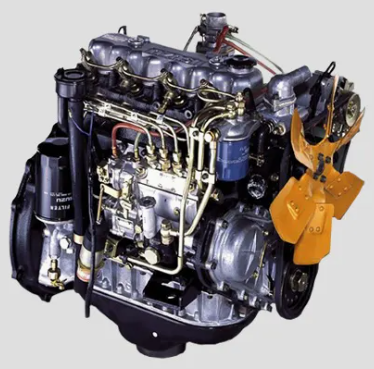
At its core, the LL4 engine features a durable cast-iron cylinder block and an aluminum alloy cylinder head, optimizing strength while managing overall weight. It employs a double overhead camshaft (DOHC) valvetrain with 16 valves (four per cylinder), facilitating efficient airflow. Fuel delivery is handled by a sophisticated common rail direct injection system, precisely controlling fuel atomization and combustion for optimal performance and emissions. A key technological highlight is its variable-geometry turbocharger (VGT), which dynamically adjusts turbine geometry to minimize turbo lag and deliver strong torque across a broad RPM range. This also incorporates an exhaust brake function, enhancing vehicle control and reducing brake wear when towing.
The GMC LL4 engine was primarily deployed in the North American market in General Motors’ mid-size pickup trucks. Its most notable applications include the Chevrolet Colorado and the GMC Canyon, appearing in various trims from their 2016 model years onward. This engine offered a unique diesel option for buyers seeking enhanced towing capacity and fuel economy in a segment traditionally dominated by gasoline V6 engines.
Technical Specifications
| Specification | Value |
|---|---|
| Displacement (cc) | 2776 cc |
| Max Power (hp (kW) @ RPM) | 181 hp (135 kW) @ 3400 RPM |
| Max Torque (Nm (kg*m) @ RPM) | 500 Nm (51 kg*m) @ 2000 RPM |
| Fuel Type | Diesel |
| Fuel Consumption (l/100 km) | ~7.8 L/100 km (Combined) |
| Engine Type | Inline 4-cylinder, DOHC, Turbocharged Diesel |
| Compression Ratio | 16.5:1 |
| Cylinder Bore (mm) | 94 mm |
| Piston Stroke (mm) | 100 mm |
| Valvetrain | DOHC, 16-valve |
| Valves per Cylinder | 4 |
| Additional Info | Variable-Geometry Turbocharger (VGT), Common Rail Direct Injection, Exhaust Brake Function |
Common Problems & Reliability
The LL4 engine generally demonstrates solid mechanical reliability; however, specific issues commonly associated with modern diesel engines can arise. A prevalent concern is related to the Diesel Particulate Filter (DPF) and Exhaust Gas Recirculation (EGR) systems. Inadequate DPF regeneration cycles, often due to frequent short trips, can lead to filter clogging, resulting in reduced performance and diagnostic trouble codes. EGR valves and coolers are also susceptible to carbon buildup, which can impair engine efficiency and potentially cause stalling or rough idling. Another potential weak point involves the Diesel Exhaust Fluid (DEF) system, where sensor failures or crystallized DEF in lines can trigger warning messages and put the vehicle into “limp mode.” Regular, proper maintenance and avoiding prolonged low-load operation are crucial for mitigating these issues. With diligent care and adherence to service schedules, the LL4 engine can reliably exceed 250,000 miles before requiring major overhaul, with many units surpassing 300,000 miles.
Maintenance Tips & Service Schedule
Optimal longevity and performance of the GMC LL4 engine depend heavily on strict adherence to a comprehensive maintenance schedule. Engine oil and filter should be replaced every 7,500 to 10,000 miles or annually, whichever comes first, utilizing a manufacturer-approved full synthetic diesel-specific oil, typically meeting CK-4 or CJ-4 specifications with an appropriate viscosity (e.g., 5W-30 or 5W-40). The fuel filter requires replacement every 20,000 to 22,500 miles to protect the high-pressure fuel system from contaminants. Air filter inspection and replacement are typically recommended every 30,000 miles or as needed based on operating conditions. The engine utilizes a robust timing chain, generally designed for the life of the engine, thus requiring no scheduled replacement under normal conditions. Coolant flushes are advised every 5 years or 100,000 miles, using approved long-life coolant. Regular monitoring of the DPF system’s regeneration status and ensuring DEF tank levels are maintained are critical for emissions system health.
Conclusion
The GMC LL4 engine stands as a compelling choice for used vehicle buyers prioritizing torque, towing capability, and improved fuel economy in a mid-size truck. Its robust design and sophisticated diesel technology provide a durable powertrain. While requiring diligent maintenance, particularly concerning its emissions systems, these requirements are typical for modern diesels. For buyers prepared to commit to the specific service intervals and the slightly higher operational costs associated with diesel fuel and DEF, the LL4 offers a reliable and capable option, promising a long service life and strong utility.