
Overview & Design Features
The GMC LSY engine is a modern, highly efficient 2.0-liter turbocharged inline-four gasoline engine developed by General Motors. Representing the corporate Cylinder Set Strategy (CSS) engine family, the LSY was introduced as a direct successor to the older LTG engine. The primary focus of this design was to optimize real-world fuel economy and maximize low-end torque. This sophisticated power unit represents a significant step forward in downsized, forced-induction powertrain technology, aligning with modern global emissions standards while maintaining competitive performance characteristics for mid-size vehicles.
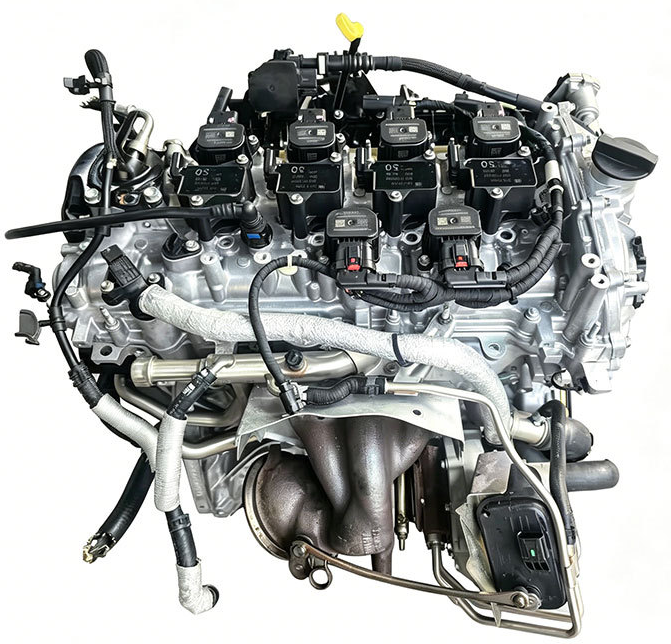
The core engineering features of the LSY include a lightweight cast aluminum cylinder block and an integrated aluminum cylinder head that reduces overall vehicle front-end weight. The engine utilizes a high-pressure direct fuel injection system to optimize fuel atomization and combustion chamber efficiency. At the heart of its valvetrain is the innovative Tripower system, which features a dual-overhead camshaft (DOHC) design. This setup is capable of three distinct operating modes: high valve lift for maximum power, low valve lift for optimized fuel efficiency, and Active Fuel Management (AFM) cylinder deactivation, which shuts down two of the four cylinders under light load conditions.
In the GMC product portfolio, the LSY engine made its debut in the 2020 GMC Acadia, serving as the primary powertrain option for the SLE and SLT trim levels. Beyond the GMC brand, this versatile power unit is widely deployed across various General Motors passenger cars and crossovers. These include the Cadillac XT4, XT5, XT6, CT4, and CT5, as well as the Chevrolet Blazer, with production years spanning from 2019 to the present day.
Technical Specifications
| Displacement (cc) | 1,998 cc |
| Max Power (hp (kW) @ RPM) | 228 hp (170 kW) @ 5,000 RPM |
| Max Torque (Nm (kg*m) @ RPM) | 350 Nm (35.7 kg*m) @ 1,500–4,000 RPM |
| Fuel Type | Premium unleaded gasoline recommended |
| Fuel Consumption (l/100 km) | 8.4 l/100 km (combined average) |
| Engine Type | Turbocharged Inline-4 Cylinder |
| Compression Ratio | 10.0:1 |
| Cylinder Bore (mm) | 83.0 mm |
| Piston Stroke (mm) | 92.3 mm |
| Valvetrain | DOHC with Tripower variable valve lift |
| Valves per Cylinder | 4 |
| Additional Info | Features twin-scroll turbocharger and Active Fuel Management |
Common Problems & Reliability
- Thermal Management Module Failures: The LSY replaces the traditional mechanical thermostat with an electronic Thermal Management Module. This rotary-valve module is prone to internal coolant leaks or electrical actuator failures, which can trigger check engine lights, diagnostic trouble codes, or engine overheating.
- Intake Valve Carbon Buildup: Due to the nature of direct fuel injection, fuel does not wash over the intake ports. Over time, carbon deposits accumulate on the intake valves, leading to rough idling, engine hesitation, and reduced fuel efficiency.
- Expected Service Life: Under proper care and strict adherence to maintenance guidelines, the LSY engine offers a realistic expected service life of 250,000 to 300,000 kilometers (approximately 150,000 to 185,000 miles) before requiring a major overhaul.
Maintenance Tips & Service Schedule
- Engine Oil: Use only fully synthetic 0W-20 engine oil meeting the Dexos 1 Gen 3 specification. Oil and filter replacements must occur every 8,000 to 10,000 kilometers (5,000 to 6,000 miles) to protect the turbocharger bearings and the complex Tripower valvetrain.
- Spark Plugs: Replace the spark plugs every 96,000 kilometers (60,000 miles) to ensure clean combustion and prevent ignition system strain.
- Timing Chain: The LSY uses a timing chain designed for the lifetime of the engine, but the hydraulic tensioners rely heavily on clean engine oil pressure. Consistent oil changes are vital to prevent premature chain stretch.
- Coolant Flush: Perform a complete cooling system flush using Dex-Cool coolant every five years or 150,000 kilometers (93,000 miles) to keep the electronic Thermal Management Module free from debris.
Conclusion
The GMC LSY engine is a highly advanced powertrain that successfully balances punchy performance with competitive fuel efficiency. While its complex electronic cooling system and direct-injection setup require diligent monitoring, the engine remains a robust and modern option. For a used vehicle buyer, an LSY-equipped crossover is a safe and reliable choice, provided the service history confirms consistent oil changes and timely cooling system maintenance.