
Overview & Design Features
The General Motors LTG engine is a prominent member of the Ecotec engine family, representing a highly sophisticated 2.0-liter turbocharged inline-four powerplant. Launched as part of GM’s Generation III Ecotec lineup, this engine was designed to deliver the power density of a traditional naturally aspirated V6 while offering the superior fuel efficiency of a compact four-cylinder. Primarily utilized across GM’s diverse portfolio, the LTG served as a premium engine choice that showcased advanced forced-induction engineering during an era of rapid automotive downsizing.
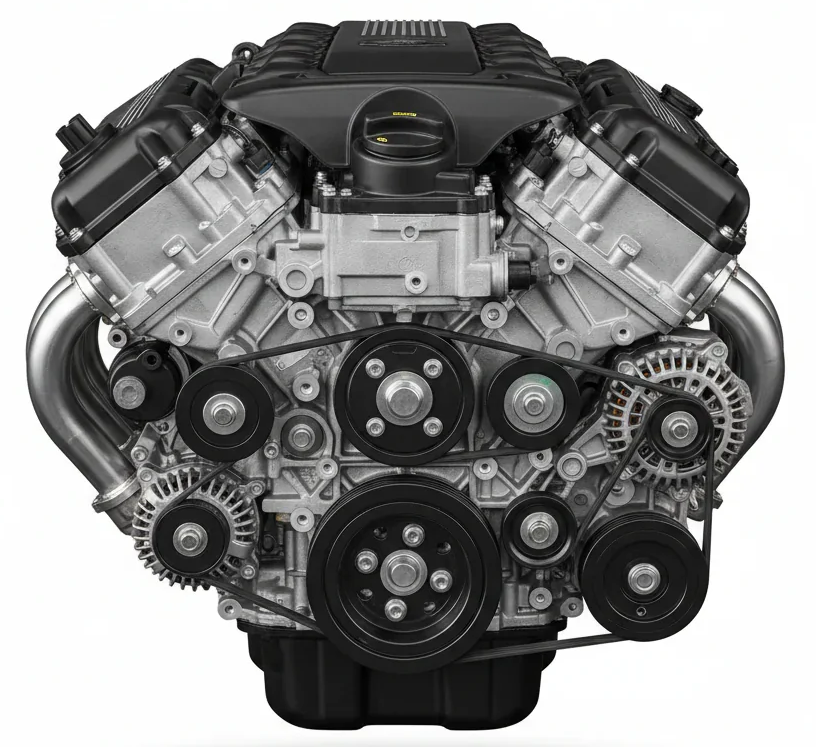
Structurally, the LTG features a lightweight, high-pressure die-cast aluminum cylinder block equipped with cast-iron cylinder liners for enhanced durability. The cylinder head is constructed from rotocast aluminum, which provides superior strength and thermal conductivity. Key technological attributes include a twin-scroll turbocharger integrated into the exhaust manifold, Spark Ignition Direct Injection (SIDI), and dual overhead camshafts with continuously variable valve timing for both intake and exhaust valves. Dual counter-rotating balance shafts are also integrated into the oil pan to ensure exceptionally smooth operation and low noise, vibration, and harshness levels.
This engine was widely deployed across several General Motors brands from 2013 through 2020. Within the GMC lineup, the LTG was featured as the high-output engine option in the second-generation GMC Terrain from 2018 to 2020 in SLE, SLT, and Denali trims. Beyond GMC, the LTG powered performance-oriented and luxury models such as the Cadillac ATS, CTS, and CT6, the Chevrolet Camaro and Malibu, and the Buick Regal.
Technical Specifications
| Displacement (cc) | 1,998 cc |
| Max Power (hp (kW) @ RPM) | 252 hp (188 kW) @ 5,500 RPM |
| Max Torque (Nm (kg*m) @ RPM) | 353 Nm (36.0 kg*m) @ 2,000–4,000 RPM |
| Fuel Type | Premium unleaded gasoline |
| Fuel Consumption (l/100 km) | Approximately 9.0 liters per 100 km (combined cycle) |
| Engine Type | Inline 4-cylinder, Turbocharged, Direct Injection |
| Compression Ratio | 9.5:1 |
| Cylinder Bore (mm) | 86.0 mm |
| Piston Stroke (mm) | 86.0 mm |
| Valvetrain | DOHC, Dual VVT, Chain Drive |
| Valves per Cylinder | 4 (16 valves total) |
| Additional Info | Equipped with a twin-scroll turbocharger and variable-displacement oil pump |
Common Problems & Reliability
- Piston Damage from Low-Speed Pre-Ignition (LSPI): Early production versions of this engine were vulnerable to cracked pistons and broken ring lands due to LSPI. This issue typically occurred under high-load, low-RPM driving conditions.
- Intake Valve Carbon Accumulation: Because the direct injection system sprays fuel directly into the combustion chamber, the intake valves do not benefit from the cleaning action of fuel. Over time, carbon deposits restrict airflow, causing rough idling and power loss.
- Turbocharger Bypass Valve and PCV Failures: The bypass valve diaphragm and PCV plumbing can fail prematurely, leading to boost leaks and increased oil consumption.
With correct maintenance and updated oil formulations, the expected service life before requiring a major overhaul is approximately 200,000 to 250,000 kilometers.
Maintenance Tips & Service Schedule
- Engine Oil and Filter Changes: To combat LSPI and timing chain wear, the oil must be replaced every 8,000 kilometers or six months. It is critical to use fully synthetic 5W-30 oil certified to the GM dexos1 Gen 2 or Gen 3 specification.
- Spark Plug Replacement: High-energy spark plugs must be replaced every 80,000 kilometers to maintain clean combustion and prevent engine knock.
- Intake Valve Cleaning: A chemical or physical carbon cleaning of the intake valves should be executed every 60,000 kilometers to restore airflow.
- Cooling System Care: The Dex-Cool coolant must be flushed and refilled every 150,000 kilometers or five years to prevent overheating and ensure stable turbocharger cooling.
Conclusion
The GMC LTG engine is a robust, technologically advanced powerplant that provides an engaging balance of power and efficiency. For used car buyers, vehicles manufactured from the 2018 model year onward represent a much safer purchasing decision. These later iterations benefit from improved factory piston designs and optimized oil specifications that successfully addressed early reliability concerns. Provided the previous owners adhered to strict maintenance schedules and used high-quality synthetic lubricants, an LTG-powered vehicle remains an excellent choice in the secondary market.