
Overview & Design Features
The GMC LH8 is a specific variant of the General Motors Gen IV small-block V8 engine family, known for its robust construction and V8 performance in mid-size applications. Manufactured by General Motors, this naturally aspirated engine features a displacement of 5.3 liters (325 cubic inches) and utilizes a conventional 90-degree V8 configuration. Historically significant for providing V8 power in smaller, more compact truck and SUV platforms where the larger iron-block engines were less suitable, the LH8 offered a blend of power and packaging efficiency, notably without the Active Fuel Management (AFM) system often found on other Gen IV 5.3L engines.
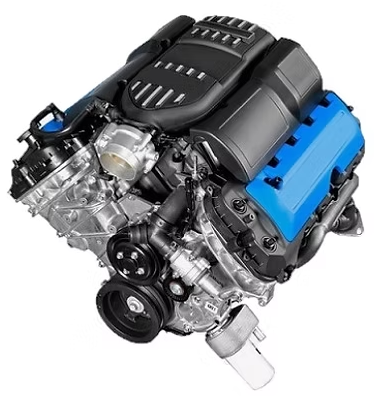
Core engineering features of the LH8 include an aluminum cylinder block and aluminum cylinder heads, contributing to its lighter weight compared to iron-block counterparts. It utilizes a sequential multi-port fuel injection (MPFI) system for precise fuel delivery and optimal combustion. The valvetrain is an overhead valve (OHV) design, characterized by two valves per cylinder and hydraulic roller lifters, ensuring low maintenance and durability. Many LH8 engines also incorporated Variable Valve Timing (VVT) on the camshaft to optimize performance across the RPM range by adjusting valve overlap and lift, enhancing both power output and fuel efficiency.
The LH8 engine was primarily deployed in General Motors’ mid-size truck and SUV platforms. Its principal applications include the Chevrolet Colorado (V8 option, 2009-2012), GMC Canyon (V8 option, 2009-2012), Hummer H3 Alpha (2008-2010), and Hummer H3T Alpha (2009-2010). This specific engine was engineered with a unique oil pan and accessory drive system tailored to fit the smaller chassis of these vehicles, distinguishing it from other 5.3L V8s in the broader GM lineup.
Technical Specifications
| Specification | Value |
|---|---|
| Displacement (cc) | 5328 |
| Max Power (hp (kW) @ RPM) | 300 hp (224 kW) @ 5200 RPM |
| Max Torque (Nm (kg*m) @ RPM) | 434 Nm (44 kg*m) @ 4000 RPM |
| Fuel Type | Unleaded Gasoline (87 RON recommended) |
| Fuel Consumption (l/100 km) | Vehicle dependent; typically 14-16 (combined) |
| Engine Type | 90-degree V8, Naturally Aspirated, OHV |
| Compression Ratio | 9.9:1 |
| Cylinder Bore (mm) | 96.01 |
| Piston Stroke (mm) | 92.00 |
| Valvetrain | Overhead Valve (OHV) with Variable Valve Timing (VVT) |
| Valves per Cylinder | 2 |
| Additional Info | Aluminum block & heads, Sequential Port Fuel Injection (SPFI), No Active Fuel Management (AFM) |
Common Problems & Reliability
The LH8 engine is widely regarded for its inherent reliability, largely attributable to the absence of the Active Fuel Management (AFM) system present in many other Gen IV 5.3L V8s, which is a common source of issues. However, specific mechanical points warrant attention. Typical high-mileage concerns include crankshaft position sensor failures, which can cause intermittent starting problems or rough running. Oil pressure sensor failures are also common on this GM engine generation, often leading to inaccurate gauge readings or activation of the low oil pressure warning, though typically not indicative of actual oil pressure issues. Additionally, valve cover gaskets and oil pan gaskets can degrade over time, leading to minor oil leaks as the engine accumulates mileage.
Under a regimen of proper maintenance and responsible driving, the GMC LH8 engine is capable of achieving an impressive service life. It is not uncommon for well-maintained examples to exceed 200,000 miles (approximately 320,000 km) before requiring any significant overhaul, cementing its reputation as a durable powertrain.
Maintenance Tips & Service Schedule
Adherence to a diligent maintenance schedule is crucial for maximizing the longevity and performance of the LH8 engine. Engine oil should be changed every 5,000-7,500 miles (8,000-12,000 km) or as indicated by the vehicle’s oil life monitor, utilizing a high-quality 5W-30 synthetic or synthetic-blend motor oil. Spark plugs, specifically iridium-tipped types, are generally recommended for replacement every 100,000 miles (160,000 km) to maintain optimal ignition performance and fuel efficiency.
As an OHV engine, the LH8 employs a timing chain rather than a belt, which is typically designed to last the life of the engine with proper lubrication. However, at high mileage, it is prudent to inspect the timing chain, tensioners, and guides for wear during major service. The engine cooling system, which uses Dex-Cool compatible coolant, should be flushed and refilled every 5 years or 100,000 miles (160,000 km) to prevent corrosion and maintain cooling efficiency. The accessory drive belt should be inspected annually for cracks or fraying and replaced typically every 60,000-90,000 miles (96,000-145,000 km). Regular inspection and replacement of the air filter (every 15,000-30,000 miles / 24,000-48,000 km, depending on driving conditions) also contribute to sustained engine health.
Conclusion
The GMC LH8 engine stands out as a highly desirable and reliable powertrain for used vehicle buyers. Its robust Gen IV small-block architecture, combined with the beneficial omission of the problematic Active Fuel Management system, positions it as one of the more dependable 5.3L V8 options from General Motors. With a history of solid performance in mid-size trucks and SUVs and a proven capacity for high mileage when properly maintained, the LH8 represents a safe and recommended choice for buyers seeking a powerful and durable V8 engine.